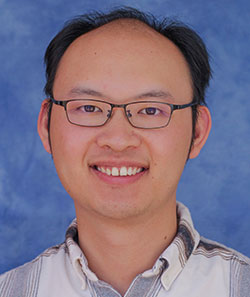
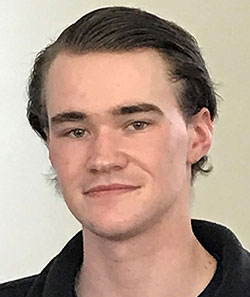
 Sam Myers is the recipient of the 2024 LPL Leif Erland Andersson Award for Service and Outreach.
Sam Myers is a fourth-year graduate student working with LPL Research Professor Ellen Howell to study near-Earth asteroids. His research includes modeling near-infrared spectra of these objects and is proficient at collecting data during remote observing sessions using the NASA Infrared Telescope Facility at the Mauna Kea Observatory, Hawaii.
Within the department, Sam‘s service commitments have included graduate student recruitment, organizing graduate student activities, and positions on various committees; he is currently graduate representative to the faculty. Sam has been actively engaged with community outreach, giving public science talks about asteroids to various amateur astronomy groups, schools, and retirement communities. He has also participated in efforts by the Arecibo Observatory scientists and staff to draw attention to the need for a replacement radar system to study and determine the impact hazard for near-Earth asteroids.
Throughout his time as a student, Sam has pursued an interest in science policy and has been actively involved in influencing lawmakers and government agencies to guide science research. He has visited Arizona representatives and senators to draw their attention to science-related issues. Sam enrolled in a Science Policy and Diplomacy (SPD) course three years ago and was a leader in that class. He has continued pursuing activities related to SPD that broaden the impacts of science and its influence in society.
As part of the SPD course, Sam participated in a U.S. State Department Diplomacy Lab project examining the potential impact of climate change on the water, energy, and agricultural systems of an identified region; the project yielded policy recommendations that could be implemented by the State Department. The team was selected to present their work at the annual Diplomacy Lab Day and eventually also developed a journal publication on linking science and diplomatic recommendations in the project. In 2023, the team was selected to develop a science and technology policy fellowship program to serve the Arizona Legislature.
The LPL Andersson Award for Service and Outreach is awarded annually to a PTYS graduate student in recognition for attention to broader impacts and involvement in activities outside of academic responsibilities that benefit the department, university, and the larger community. The award is named for Dr. Leif Andersson, a scientist who worked at LPL in the 1970s. Support the Andersson Award with a gift.

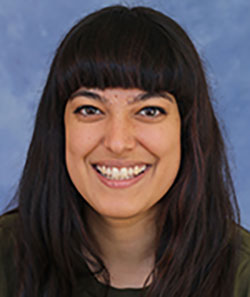 Namya Baijal
 Maizey Benner
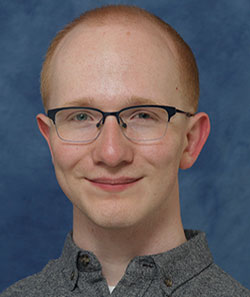 Galen Bergsten