Hold the Date
LPL Colloquium: Dr. Benjamin Sharkey
×Tracing Hydration on Primitive Planetesimals With JWST
Dr. Benjamin Sharkey
Senior Faculty Specialist
Department of Astronomy
University of Maryland
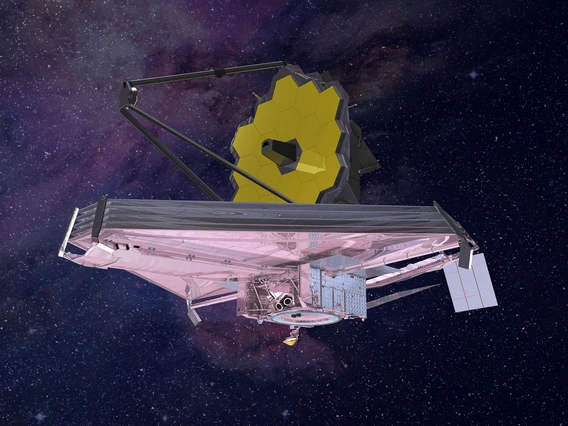
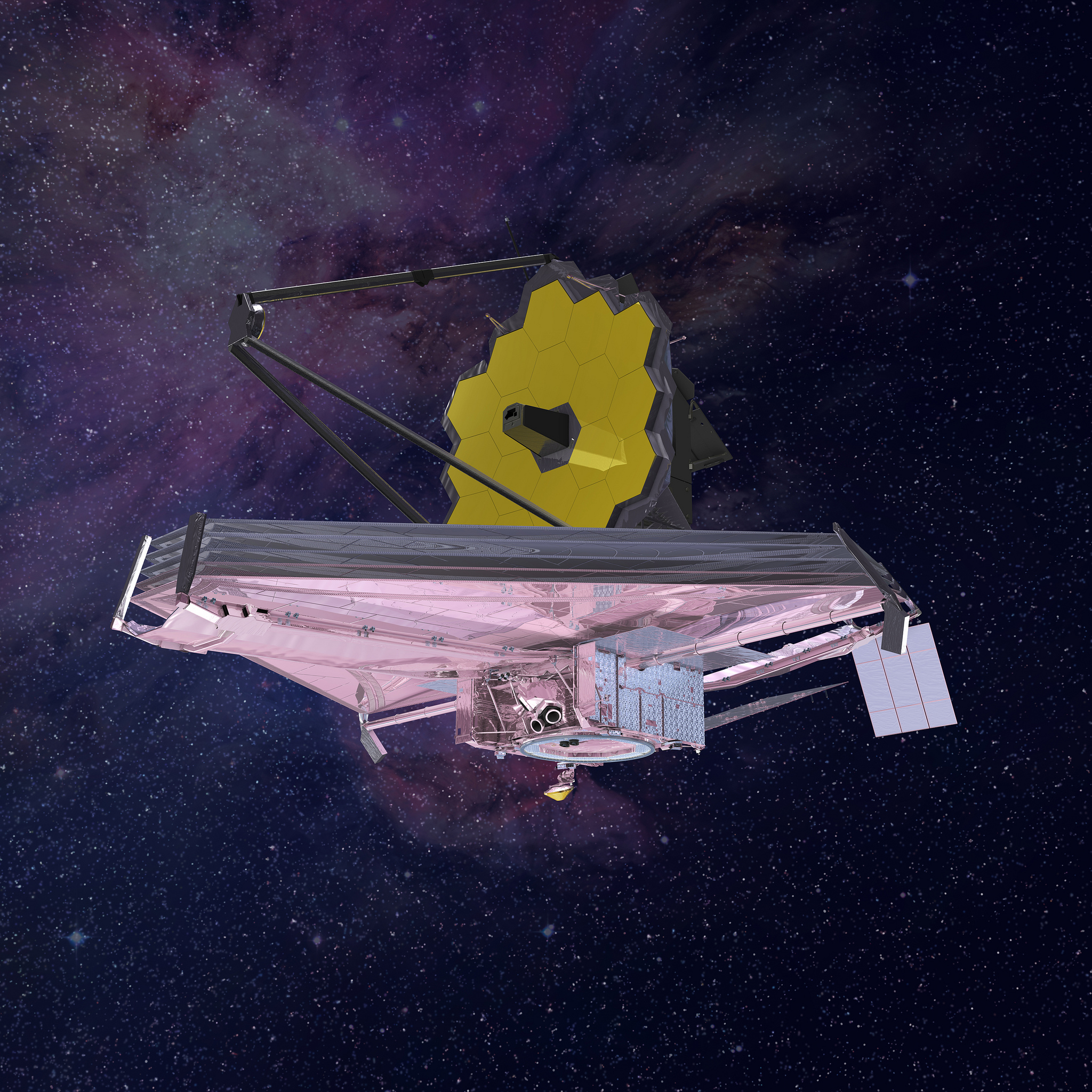
The first four years of JWST operations have revolutionized our understanding of small solar system objects, with a particular focus on measuring spectral features near wavelengths of 3um. But challenges remain in identifying major materials that can relate ice-poor carbonaceous asteroids to their formation environments, troubling efforts to test major predictions of solar system evolutionary models. I will discuss how the results of our JWST program (GO #4028), targeting the Jovian satellite system, have complicated our views of primitive planetesimal migration, and how many of these challenges were already identified by ground-based observers. I will also discuss the need for improved laboratory understanding of key materials, as well as the likely impact of future observations of Jupiter’s inner satellites (JWST GO #10716).
Host: Dr. Vishnu Reddy
To request Zoom Meeting link, contact PG4gdWVycz0iem52eWdiOllDWS1ITkByem52eS5uZXZtYmFuLnJxaCI+PGZjbmEgcHluZmY9InljeXIiIGZnbHlyPSJvYmstZnZtdmF0Om9iZXFyZS1vYms7Ij48aD5ZQ1ktSE5AcnpudnkubmV2bWJhbi5ycWg8L2g+PC9mY25hPjwvbj4=
LPL Colloquium: Dr. Steve Desch
×1I/'Oumuamua: The Nearest Exoplanet?
Dr. Steve Desch
Professor, School of Earth and Space Exploration
Arizona State University
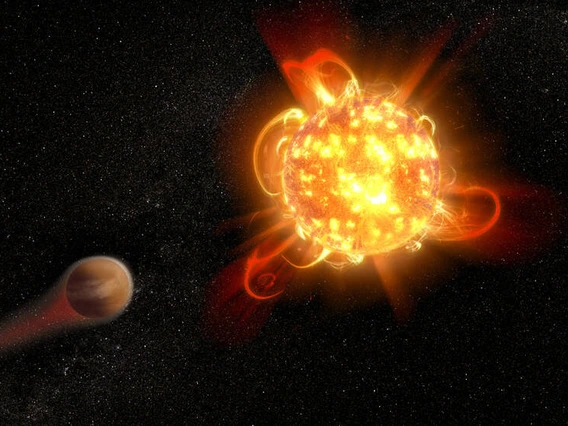
We have known for some time that our Solar System must have ejected trillions of comets in its youth, so we have long expected to see interstellar comets ejected from other systems pass through ours. The discoveries of 2I/Borisov and now 3I/ATLAS have confirmed that interstellar comets do routinely pass through our system. But when the first interstellar object, 1I/'Oumuamua, passed by Earth in October 2017, it defied expectations. It showed no dust coma or emission from CO or H2O, which would be expected for a comet. It did experience a non-gravitational acceleration away from the Sun that varied as 1/r2, like comets do; but instead of being ~0.01% the strength of gravity typical for most comets, it was ~0.1%. Many explanations, both natural and spaceshippy, were proposed; but none matched all the observations. In 2021 we showed that every observation of 'Oumuamua is consistent with it being nitrogen ice like that seen on the surface of Pluto, and similar to rare comets like C/2016 R2. Our solar system in its youth must have ejected many times more collisional fragments of Kuiper Belt Objects than comets. We interpret 'Oumuamua to most likely to have been ejected from an exo-pluto, less than half a billion years ago, possibly from an M dwarf system in the Perseus spiral arm of the Galaxy. The Vera Rubin Observatory is poised to discover many more interstellar objects like this in the next few years, allowing new direct observations of exoplanetary materials.
Host: Dr. Vishnu Reddy
To request Zoom Meeting link, contact PG4gdWVycz0iem52eWdiOllDWS1ITkByem52eS5uZXZtYmFuLnJxaCI+PGZjbmEgcHluZmY9InljeXIiIGZnbHlyPSJvYmstZnZtdmF0Om9iZXFyZS1vYms7Ij48aD5ZQ1ktSE5AcnpudnkubmV2bWJhbi5ycWg8L2g+PC9mY25hPjwvbj4=
LPL Colloquium: Dr. Veronica Bray
×Dr. Veronica Bray
Associate Research Professor
Lunar and Planetary Laboratory
University of Arizona
To request Zoom Meeting link, contact PG4gdWVycz0iem52eWdiOllDWS1ITkByem52eS5uZXZtYmFuLnJxaCI+PGZjbmEgcHluZmY9InljeXIiIGZnbHlyPSJvYmstZnZtdmF0Om9iZXFyZS1vYms7Ij48aD5ZQ1ktSE5AcnpudnkubmV2bWJhbi5ycWg8L2g+PC9mY25hPjwvbj4=
LPL Colloquium: Dr. George Rieke
×Dr. George Rieke
Regents Professor
Astronomy and Planetary Sciences
University of Arizona
Host: Dr. Mark Marley
To request Zoom Meeting link, contact PG4gdWVycz0iem52eWdiOllDWS1ITkByem52eS5uZXZtYmFuLnJxaCI+PGZjbmEgcHluZmY9InljeXIiIGZnbHlyPSJvYmstZnZtdmF0Om9iZXFyZS1vYms7Ij48aD5ZQ1ktSE5AcnpudnkubmV2bWJhbi5ycWg8L2g+PC9mY25hPjwvbj4=
Asteroid Bennu's Rugged Surface Baffled NASA. We Finally Know Why
×
By Daniel Stolte, University Communications - March 17, 2026
In one of the biggest surprises of NASA's OSIRIS-REx mission, its target asteroid, Bennu, turned out to be a jagged, rugged world covered in large boulders, with few of the smooth patches that earlier observations from Earth-based instruments had indicated.
"When OSIRIS-REx got to Bennu in 2018, we were surprised by what we saw," said Andrew Ryan, a scientist with the University of Arizona Lunar and Planetary Laboratory, who led the mission's sample physical and thermal analysis working group. "We expected some boulders, but we anticipated at least some large regions with smoother, finer regolith that would be easy to collect. Instead, it looked like it was all boulders, and we were scratching our heads for a while."
Close-up of a sample particle from asteroid Bennu.
NASA/Scott Eckley
Particularly puzzling were observations made in 2007 by NASA's Spitzer Space Telescope, which measured low thermal inertia, indicative of an asteroid whose surface heats up and cools down rapidly as it rotates into and out of sunlight, like a sandy beach on Earth. This was at odds with the many large boulders that OSIRIS-REx found upon arrival, which should act more like blocks of concrete, shedding heat long after the Sun has set.
Data collected by the OSIRIS-REx spacecraft during its survey campaign at the asteroid suggested a possible explanation: the boulders could be much more porous than expected. Once the samples were delivered to Earth, researchers were able to investigate this further.
Ryan's team scrutinized rock particles collected from Bennu's surface using a variety of laboratory analysis techniques. In a study published in Nature Communications, the authors reported that the boulders are indeed porous enough to account for some of the observed heat loss, but not all of it. Rather, many of the rocks turned out to be riddled with extensive networks of cracks.
To test whether the cracks could be the reason for the asteroid’s surface losing heat, a team at Nagoya University in Japan analyzed Bennu sample material using lock-in thermography. This laser-based technique allows researchers to hit a tiny spot on the surface of the sample and measure how the heat diffuses through it, similar to how ripples move across a pond.
The same particle analyzed with X-ray computed tomography scanning. This specimen shows the most common types of crack networks observed in Bennu samples. One has an extensive and connect framework of curved cracks, whereas the other has sparse, straight and flat fractures.
NASA/Scott Eckley
"That's when things became really interesting," Ryan said. "The thermal inertia measured in the lab samples turned out to be much higher than what the spacecraft's instruments had recorded, echoing similar findings obtained by the team of OSIRIS-REx's partner mission, JAXA's (Japan Aerospace Exploration Agency) Hayabusa-2."
To make meaningful predictions about how the material would behave in the large boulders on the asteroid, the team had to find a way to scale up the measurements obtained with the small sample particles.
Using a glove box, team members at NASA's Johnson Space Center in Houston sealed sample particles in air-tight containers under a protective nitrogen atmosphere, then transferred them to a lab where they could perform X-ray computed tomography, or XCT scans. Once a particle was scanned, it went back into the glove box.
"The sample goes into its own 'spacesuit,' gets a CT scan, and then comes back to its pristine environment, all without having any exposure to the terrestrial environment," said Nicole Lunning, lead OSIRIS-REx sample curator within the Astromaterials Research and Exploration Science division at NASA Johnson and one of the study's co-authors. "We can image right through these airtight containers to visualize the shape and internal structure of the rock that's inside."
"X-ray computed tomography allows us to look at the inside of an object in three dimensions, without damaging it," said study co-author and NASA Johnson X-ray scientist Scott Eckley.
Andrew Ryan is a scientist with the University of Arizona Lunar and Planetary Laboratory.
Once mapped in this way, a permanent three-dimensional digital archive of a sample particle's shape and interior is created, and the data are entered into a public database. Ryan's team used the X-ray CT scan data for computer simulations modeling heat flow and thermal inertia. When scaled up to boulder size, the thermal inertia results fell into agreement with what the spacecraft had measured at the asteroid.
Where scientists once expected the boulders of Bennu to be extremely porous and fluffy, perhaps even spongy, the sample analysis revealed something unexpected.
"It turns out that they're really cracked too, and that was the missing piece of the puzzle," Ryan said.
Ron Ballouz, a scientist with the Johns Hopkins University Applied Physics Laboratory in Laurel, Maryland, and the paper's second author, said this work transforms how scientists interpret the structure of an asteroid based on its thermal properties seen from Earth.
"We can finally ground our understanding of telescope observations of the thermal properties of an asteroid through analyzing these samples from that very same asteroid," Ballouz said.
UA News - Asteroid Bennu's Rugged Surface Baffled NASA. We Finally Know Why
Contact Information
1629 E University Blvd. Tucson, AZ 85721-0092
Main office: 520-621-6963
| Lastname, Firstname | Office(s) | Phone | Title |
|---|---|---|---|
| Abbate, Ash | Kuiper 353 | 520-621-6943 | Undergraduate Student Employee, Teaching Teams |
| Abdelmaksoud, Ganna she/her |
Sonnet, PIRL Lab | Undergraduate Student Employee | |
| Admissions, LPL | Kuiper 321 | 520-621-6954 | |
| Agarwal, Simran | Kuiper 220/222 | 520-621-3595 | Lab User, ASPERA |
| Aguilar, Roberto | Sonett 10F | PTYS Graduate Student | |
| Alday, Javier he/him |
Kuiper 212 | Research Engineering Mechanical Technician | |
| Alevy, Elana she/her |
Kuiper 351 | PTYS Graduate Student | |
| Alley, Jonna | Kuiper 339C | 520-626-6546 | Research Development Administrator |
| Andrews-Hanna, Jeffrey | Kuiper 438 | 520-626-6528 | Professor |
| Apai, Dániel | Steward N208B | 520-621-6534 | Interim Associate Dean for Research, College of Science, Principal Investigator, Alien Earths, Professor |
| Arciniaga, Luis | Kuiper 19D | 520-621-1125 | Graduate Student Assistant, Raman Spectroscopy |
| Arora, Rahul | Kuiper 334 | PTYS Graduate Student | |
| Asphaug, Erik | Kuiper 424 | Professor | |
| Avalos, Andrew | Kuiper 243 | Undergraduate Student Employee | |
| Avsar, Arin | Kuiper 316 | 520-621-1485 | PTYS Graduate Student |
| Baijal, Namya | Kuiper 316 | 520-626-6448 | PTYS Graduate Student |
| Bailey, Hop | Sonett 208 | 520-626-0753, 520-270-0532 | Program Manager, UA Space Institute |
| Bajaj, Naman | Kuiper 324 | 520-626-6727 | PTYS Graduate Student |
| Baker, Victor | Kuiper 409B, HAR 246A | 520-405-8976 | Regents Professor |
| Ballester, Gilda | Sonett 135 | 520-621-4305, 520-743-3538 | Research Professor (Retired) |
| Bardabelias, Nicole she/her |
Sonett 212 | 520-626-3856 | Science Operations Engineer, HiRISE |
| Barman, Travis | Kuiper 436 | 520-621-6940 | Professor |
| Barnes, Jessica She/Her |
Kuiper 241 | Associate Professor | |
| Battle, Adam he/him/his |
Kuiper 245 | R&D Software Engineer, SPACE 4 Center | |
| Baugh, Nicole | Sonett 210 | 520-626-0342, 520-836-2278 | Uplink Operations Lead, HiRISE |
| Bayko, Dmitriy | Kuiper 423 | Postdoctoral Research Associate | |
| Becker, Kris | Kuiper 429H | 520-626-1634 | Senior Data Analyst, OSIRIS-APEX |
| Benner, Maizey she/they |
Kuiper 318 | 520-626-5520 | PTYS Graduate Student |
| Bennett, Carina | Kuiper 533 | 520-626-3126 | Project Manager and Software Engineer, SAMIS |
| Bernal, Jacob | Kuiper 216 | 520-626-3906 | DCC Postdoctoral Research Associate (Zega), NSF Postdoctoral Fellow |
| Berne, Alexander | Kuiper 423B | Postdoctoral Research Associate | |
| Beuden, Tracie she/her |
Kuiper 509J | 520-621-6899 | Survey Operations Specialist, Catalina Sky Survey |
| Bhat, Vinyas he/him |
Kuiper 243 | Undergraduate Student Employee | |
| Bliss, Graham he/him |
Kuiper 353 | 520-621-6943 | Undergraduate Student Employee, Teaching Teams |
| Bloch, Elias | Kuiper 19F | 520-626-6944 | Researcher/Scientist |
| Block, Kristin she/her |
Offsite, Silicon Valley | 520-626-6586, 312-772-2352 | Principal Science Operations Engineer, HiRISE |
| Bloomenthal, H. Philip he / him |
Kuiper 219 | 520-621-1864 | System Administrator |
| Blum, Denise | Kuiper 427 | 520-626-1985 | Business Manager, OSIRIS-REx, OSIRIS-APEX |
| Bolton, Marsha | Offsite | 520-626-6550 | Grant and Contract Administrator |
| Boynton, William | Drake 104Q | 520-621-6941, 520-299-1147 | Professor Emeritus |
| Bray, Veronica She/Her |
Sonett 214 | 520-626-1967 | Associate Research Professor |
| Brenton, Amy | Kuiper 321 | 520-621-6954 | Academic Advisor |
| Bressi, Terrence | Kuiper 223 | 520-621-2876 | Engineer/Observer, Spacewatch |
| Brown, Zarah she/her |
Kuiper 239 | 520-621-2127 | Postdoctoral Research Associate |
| Brown, Robert | Professor Emeritus | ||
| Brucker, Melissa she/her |
Kuiper 217 | 520-621-1039 | Principal Investigator, Spacewatch, Research Scientist |
| Byrne, Shane He/Him |
Kuiper 524 | 520-626-0407 | Professor |
| Campbell, Tanner | Kuiper 243 | 520-621-2692 | |
| Campos, Fabian he/him |
Sonett 215 | Undergraduate Student Employee | |
| Cantillo, David | Kuiper 338 | 520-621-6960 | PTYS Graduate Student |
| Carr, Brett he/him/his |
Offsite | Researcher/Scientist | |
| Carter, Lynn she/her |
Kuiper 533A | 520-626-1993 | Associate Department Head, Professor, University Distinguished Scholar |
| Carvajal, Vivian she/her |
Kuiper 509J | 520-621-6899 | Survey Operations Specialist, Catalina Sky Survey |
| Chandler, Elyssa | Kuiper 509N | Undergraduate Student Employee | |
| Chandra, Rishi | Kuiper 338 | 520-626-6509 | PTYS Graduate Student |
| Chang, Yao-Jen (Jerry) | Kuiper 19A | 520-621-2974 | Research Scientist/Assistant Staff Scientist, TEM and SEM Lab Manager |
| Choi, Heejoo | Kuiper 220/222 | 520-621-3595 | Lab User, ASPERA |
| Chojnacki, Matthew | DCC Associate Research (McEwen) | ||
| Christensen, Maddy | Kuiper 351 | PTYS Graduate Student | |
| Christoffersen, Michael | Research Technologist | ||
| Chung, Haeun | Kuiper 220/222 | 520-621-3595 | Lab User, ASPERA |
| Clark, Sophie | Kuiper 351 | PTYS Graduate Student | |
| Coe, Michelle she/her |
Kuiper 349 | 520-621-8556 | Program Manager, Arizona Space Grant Consortium |
| Connolly, Harold | DCC Visiting Research Scientist (Lauretta) | ||
| Cook, Claire she/her |
Kuiper 332 | 520-621-1611 | PTYS Graduate Student |
| Cooper, Avery they/them |
Sonett | Undergraduate Student Employee, HiRISE | |
| Cooper, Chase he/him/his |
Kuiper 417 | Undergraduate Student Employee | |
| Corliss, Jason | Kuiper 229 | 520-621-6956 | Research Scientist/Senior Staff Scientist |
| Cox, Olivia | Undergraduate Student Employee | ||
| Crossley, Samuel he/him |
Kuiper 249 | 520-621-8259 | Researcher/Scientist |
| d'Aubigny, Christian | Drake 113 | 520-621-4076 | DCC Deputy Instrument Scientist, OCAMS (Byrne) |
| Daniel, Michael | Sonett 10C | PTYS Graduate Student | |
| Davidson, Glinda | Kuiper 345 | 520-621-4155 | Manager, Grants-Contracts |
| de Campos da Silva, Nadine | Kuiper 201 | DCC Visiting Scholar (Bray) | |
| Dean, David | Kuiper 542 | 520-626-2712 | Systems Programmer, Principal |
| DellaGiustina, Dani Mendoza she/her |
Kuiper 526 | 520-626-3493 | Associate Professor, Deputy Principal Investigator, OSIRIS-REx, Principal Investigator, OSIRIS-APEX |
| Deng, Dingshan | Kuiper 334 | 520-626-5641 | PTYS Graduate Student |
| Devine, Guthrie | Kuiper 353 | Teaching Teams Intern | |
| Dickenshied, Scott | DCC Visiting Research Assistant (Nolan) | ||
| Dickinson, Cameron | DCC Visiting Scientist (Nolan) | ||
| Domanik, Kenneth | Kuiper 023 | 520-621-2959 | Manager, Electron Microprobe Lab |
| Doose, Lyn he/him |
520-885-2516 | Senior Research Associate (Retired) | |
| Drimalas, Manolis he/him/his |
Kuiper 509E | UA Employee, Non-LPL | |
| Duhamel, Solange | Life Sciences 354 | 520-621-6057 | Associate Professor |
| Eatson, Joseph | Kuiper 425 | Postdoctoral Research Associate | |
| Edmeades, David he/him |
Sonett 102C | 520-621-2197 | Systems Administrator, PIRL/HiRISE |
| Edmundson, Kenneth | DCC Associate Research (Lauretta) | ||
| Edwards, Hannah | Kuiper 353 | 520-621-3991 | Instructional Specialist Coordinator |
| Espinoza, Ari | Sonett 101 | 520-626-7432, 520-818-4933 | Outreach Coordinator, HiRISE |
| Fay, Don | Kuiper 509F | 520-621-7210 | R&D Systems Engineer, Catalina Sky Survey |
| Feller, Sophia | Kuiper 243 | Research Technologist, Space 4 Center | |
| Fennema, Audrie | Sonett 213 | 520-626-0756 | Engineer, Satellite Payload Operations, HiRISE |
| Fennema, Gregory | Sonett 102A | 520-626-5435 | Research Technician |
| Ferro, Tony | Kuiper 429C, Drake 107F | System Administrator, OSIRIS-REx, OSIRIS-APEX/SPOC | |
| Figueroa, Kari | Kuiper 339B | 520-626-9007 | Accountant, Senior |
| Fine, Kenny | Sonett 106 | 520-621-8284 | Senior Systems Administrator, PIRL/HiRISE |
| Fischer, Cody | Kuiper 509B | Undergraduate Space Grant Intern | |
| Fitzgibbon, Michael | Kuiper 523B | 520-626-1789 | Software Engineer, Lead Calibration & Validation, OSIRIS-REx, OSIRIS-APEX |
| Foka, Sosthene | Kuiper 534 | 520-626-5490 | Database Administrator, OSIRIS-REx, OSIRIS-APEX |
| Foote, Searra she/her |
Kuiper 316 | 520-626-6145 | PTYS Graduate Student |
| Fraschetti, Federico | DCC Research Scientist (Marley) | ||
| Fulford, Ruby She/Her |
Kuiper 201 | PTYS Graduate Student | |
| Fuls, Carson | Kuiper 501A | 520-621-3800 | Director, Catalina Sky Survey, PTYS Graduate Student |
| Gallegos, Cesar | Kuiper 519C | Undergraduate Student Employee, OSIRIS-REx | |
| Garcia, Elijah | Kuiper 220 | 520-621-3595 | Laboratory Coordinator |
| Garcia, Rose | Kuiper 429D | R&D Engineer Scientist, OSIRIS-APEX | |
| Gardner, Andrew he/him/él |
Offsite | 520-626-5496 | Systems Programmer, Principal |
| Giacalone, Joe | Kuiper 411 | 520-626-8365 | Professor |
| Giampapa, Mark | 520-621-2288 | DCC Visiting Research Scholar (Giacalone) | |
| Gibbs, Alex | Kuiper 511 | 520-621-6899 | Principal Engineer, Catalina Sky Survey |
| Godinez, Grace she/her |
Kuiper 243 | Undergraduate Student Employee | |
| Golish, Dathon he/him |
Kuiper 429E, Drake 104J | 520-626-6749 | Mission Instrument and Observation Scientist |
| Gonglewski, Kiki | Kuiper 351 | PTYS Graduate Student | |
| Gosiak, Rori she/her |
Kuiper 353 | 520-621-6943 | Undergraduate Student Employee, Teaching Teams |
| Gowman, Gabriel | Kuiper 320 | PTYS Graduate Student | |
| Grauer, Albert | Kuiper 501B | 520-621-4497 | Technical Expert, Catalina Sky Survey |
| Greenberg, Richard | Professor Emeritus | ||
| Griffith, Caitlin | Kuiper 525 | 520-621-6243 | Professor Emeritus |
| Gröller, Hannes | Kuiper 509J | 520-621-6899 | Research Scientist/Assistant Staff Scientist |
| Guerra De Lima, Eneida | Kuiper 347 | 520-621-5462 | IT Architecture Manager |
| Guerrieri, Mary | Kuiper 227 | Academic Programs Officer | |
| Gulick, Virginia she/her |
Kuiper 542 | 520-626-2712 | Research Professor |
| Hadland, Nathan He/Him |
Sonett 10A | 520-626-5381 | PTYS Graduate Student |
| Haenecour, Pierre he/him |
Kuiper 530 | 520-621-6708 | Assistant Professor |
| Hall, Kylie | Kuiper 351 | PTYS Graduate Student | |
| Hamara, David | Kuiper 516 | 520-626-6729 | Lead Engineer, Gamma Ray Spectrometer Electronics |
| Hamden, Erika | Kuiper 220/222 | 520-621-3595 | Lab User, ASPERA |
| Hamilton, Christopher | Kuiper 430 | 520-626-6254, 301-305-3818 | Associate Professor |
| Hammond, Damian | Kuiper 528 | 520-626-5541 | Software Engineer, OSIRIS-REx, OSIRIS-APEX Telemetry Processing |
| Hansen-Koharcheck, Candice | DCC Associate Research (McEwen) | ||
| Hardesty, Joanna | Kuiper 351 | PTYS Graduate Student | |
| Harris, Walter | Kuiper 221 | 520-626-6416, 530-574-4377 | Professor |
| Harrison, Lori | Kuiper 533A | R&D Senior Principal Engineer, OSIRIS-APEX | |
| Harvey, Jack | DCC Visiting Research Scholar (Giacalone) | ||
| Heyd, Rod | Sonett 102B | 520-626-0764 | Project Manager, HiRISE |
| Hickcox, Samuel | Sonett 102A | 520-626-5459 | Research Technician |
| Hill, Dolores | Kuiper 523D | 520-621-6106 | Research Specialist, Senior (retired) |
| Hill, CeeCee | Kuiper 528 | 520-626-5541 | R&D Software Engineer, OSIRIS-APEX |
| Hogan, Joshua | Kuiper 509J | 520-621-6899 | Research Technologist, Catalina Sky Survey |
| Holberg, Jay | Sonett 164 | 520-621-4571 | Senior Research Scientist (Retired) |
| Holt, Jack | Kuiper 432 | Professor, EDO Director | |
| Hon, Orion | Kuiper 326 | 520-626-6512 | PTYS Graduate Student |
| Hood, Lon | Kuiper 509B | 520-621-6936 | Research Professor |
| Hoover, Devin | Kuiper 338 | PTYS Graduate Student | |
| Hopkins, Rachel | Kuiper 339A | 520-621-6967 | Accountant |
| Howell, Ellen | Drake 115, Kuiper 218 | 520-626-2880, 520-621-1854 | Research Professor |
| Huang, Rowan she/her |
Kuiper 326 | 520-621-1594 | PTYS Graduate Student |
| Hubbard, William | Kuiper 415 | 520-621-6942 | Professor Emeritus |
| Huseby, Lori | Kuiper 316 | 520-626-6159 | PTYS Graduate Student |
| Ishimaru, Kana | Kuiper 332 | 520-626-5530 | PTYS Graduate Student |
| Jacobo Bojorquez, Rocio she/her |
Sonett 10A | PTYS Graduate Student | |
| Jacobs, Julie | Kuiper 409 | 520-621-2870 | LPL Librarian |
| Jaffray, Preston | Kuiper 353 | 520-621-6943 | Teaching Teams Intern |
| Johnsen, Tim | Offsite | Research Professional | |
| Joseph, Emily | Research Specialist | ||
| Kantarges, Joshua he/him/his |
Kuiper 528 | 520-626-6182 | SAMIS Software Engineer, OSIRIS-REx |
| Karkoschka, Erich | Kuiper 215 | 520-621-3994 | Research Scientist/Senior Staff Scientist |
| Kelly, Adriana | Kuiper 339A | 520-621-4497 | Department Administrator |
| Kerrison, Nicole she/they |
Kuiper 318 | PTYS Graduate Student | |
| Kestay, Laszlo | DCC Associate Research (McEwen) | ||
| Khan, Aafaque | Kuiper 220/222 | 520-621-3595 | Lab User, ASPERA |
| Kim, Euibin | Kuiper 332 | PTYS Graduate Student | |
| Klein, Kristopher | Kuiper 431 | 520-621-2806 | Associate Professor |
| Komanapalli, Zachary | Kuiper 429 | Research Technician, OSIRIS-APEX | |
| Kontogiannis, Melissa she/her |
Kuiper 201 | PTYS Graduate Student | |
| Kortenkamp, Steve | Kuiper 353 | 520-621-6943 | Professor of Practice |
| Koskinen, Tommi | Kuiper 421 | 520-621-6939 | Associate Department Head, Associate Professor |
| Kota, Jozsef | Kuiper 419 | 520-621-4396 | Senior Research Scientist (Retired) |
| Kowalski, Richard | Kuiper 509J | 520-621-6899 | Research Specialist, Senior, Catalina Sky Survey |
| Kubendran Sumathi, Mruthyunjay | Graduate Astrobiology Minor | ||
| Kuo, Genevieve | Graduate Student, Other | ||
| Lane, Lynn | Kuiper 227 | Department Administrator | |
| Lane-Gaxiola, Sarah | Kuiper 339B | 520-626-5677 | Program Coordinator, Senior |
| Langbert, Chaucer they/them |
Kuiper 201 | PTYS Graduate Student | |
| Larsen, Jeffrey | Kuiper 223 | 520-621-2902 | Technical Expert, Spacewatch |
| Larson, Linae | Kuiper 450 | Undergraduate Space Grant Intern | |
| Lauretta, Dante | Kuiper 536 | Director, Arizona Astrobiology Center, Principal Investigator, OSIRIS-REx, Regents Professor | |
| Lawrie, Brett | Research Engineering Instrument Maker | ||
| Le Contellec, Alexandra | Kuiper 509D | Postdoctoral Research Associate | |
| Lebofsky, Larry | Senior Research Scientist (Retired) | ||
| Ledford, Scott | Graduate Astrobiology Minor | ||
| Lehnert, Kerstin | DCC Research Associate (Lauretta) | ||
| Leibacher, John | Kuiper 235B | 520-243-3687 | DCC Visiting Research Scholar (Giacalone) |
| Leis, Richard he, him |
Sonett 209 | 520-626-6561 | Staff Technician, Senior, HiRISE |
| Lejoly, Cassandra She/Her/Hers |
Kuiper 213 | 520-621-2824 | Research Scientist/Observer, Spacewatch |
| Leonard, Gregory | Kuiper 509J | 520-621-6899 | Research Specialist, Senior, Catalina Sky Survey |
| Lersch, Rebecca | Kuiper 243/245 | 520-621-2692 | Undergraduate Student Employee |
| Lewis, John | Professor Emeritus | ||
| Li, Jessica | Kuiper 220/222 | 520-621-3595 | Lab User, ASPERA |
| Loewen, Cameron | Kuiper 511 | R&D Engineer, CSS | |
| Malhotra, Renu | Kuiper 515 | Louise Foucar Marshall Science Research Professor, Regents Professor | |
| Manga, Venkateswara Rao | Kuiper 509C | 520-626-7042 | Assistant Research Professor (MSE) |
| Marley, Mark S. he/him/his |
Kuiper 323 | 520-621-8623 | Director, Department Head, Professor |
| Marshall, Rochelle | Kuiper 339 | 520-621-0326 | Administrative Associate |
| Martinez, Berenice she/her |
Kuiper 339 | 520-621-4676 | Administrative Assistant |
| Martinović, Mihailo | Kuiper 413 | 520-626-9810 | Associate Research Professor |
| Marusiak, Angela | Kuiper 401 | 520-626-5507 | Assistant Research Professor |
| Mastaler, Ronald | Kuiper 223 | 520-626-6988 | Observer, Spacewatch |
| Matheson, Iggy | Graduate PTYS Minor | ||
| Matsuyama, Isamu | Kuiper 527A | 520-621-4002 | Professor |
| Mattison, Kane | Kuiper 220/222 | Undergraduate Student Employee | |
| McArthur, Guy | Sonett 102H | 520-626-0765 | Data Applications Developer, HiRISE |
| McBride, Vrinda | Kuiper 243 | Undergraduate Student Employee | |
| McEwen, Alfred | Sonett 204 | 520-621-4573 | Regents Professor |
| McFadden, Kiana | Kuiper 322 | 520-626-6160 | PTYS Graduate Student |
| McKenna, Thea | Kuiper 351 | PTYS Graduate Student | |
| Mcmahon, Thomas | Kuiper 220/222 | 520-621-3595 | Lab User, ASPERA |
| McMillan, Robert (Bob) | Kuiper 225 | 520-621-6968 | Research Professor (Retired) |
| Media/Outreach, LPL | Kuiper 317 | 520-621-2828 | |
| Melikyan, Robert | Kuiper 320 | 520-626-5876 | PTYS Graduate Student |
| Melso, Nicole | Kuiper 220/222 | 520-621-3595 | Lab User, ASPERA |
| Meyer, Cole he/him/his |
Kuiper 334 | PTYS Graduate Student | |
| Miranda, Miren they/he |
Kuiper 243 | Undergraduate Student Employee | |
| Molaro, Jamie | DCC Visiting Scientist (Nolan) | ||
| Montano, Megan | Kuiper 429 | Research Technician, OSIRIS-APEX | |
| Moradi, Ashraf | Kuiper 409A | Researcher/Scientist | |
| Moruzzi, Samantha | Postdoctoral Research Associate | ||
| Mucha, Carter | Kuiper 351 | PTYS Graduate Student | |
| Muldowney, Liam | ARB 244A | Undergraduate Student Employee | |
| Muralidharan, Krishna | Mines 125E | 520-626-8997 | Professor |
| Nagle, Peyton | Kuiper 243 | Undergraduate Student Employee | |
| Nasreldine, Sam | Graduate Astrobiology Minor | ||
| Neish, Catherine | DCC Associate Research (Hamilton) | ||
| Nerozzi, Stefano he/him/his |
Sonett 25 | Assistant Research Professor | |
| Neugebauer, Marcia | 520-647-3833 | DCC Visiting Research Scientist (Giacalone) | |
| Nguyen, Fuda he/they |
Kuiper 322 | 520-621-1485 | PTYS Graduate Student |
| Nielsen, Sarah | Undergraduate Student Employee, OSIRIS-REx | ||
| Nolan, Michael | Kuiper 429B | 520-626-1978 | Deputy Principal Investigator, OSIRIS-APEX, Research Professor |
| O'Brien, Patrick | Kuiper 523C | DCC Research Associate | |
| O'Connell, James | Sonett 25 | 520-626-9487 | Undergraduate Student Employee |
| Okubo, Chris | 520-626-1458 | DCC Visiting Scholar (McEwen) | |
| Olguin, Ray | Undergraduate Student Employee | ||
| Ong, Iunn | Kuiper 324 | PTYS Graduate Student | |
| Orosco, Bertha she/her |
Kuiper 325 | 520-626-6713 | Administrative Associate |
| Oved, Jesse he/him |
Kuiper 450A | Undergraduate Student Employee | |
| Papendick, Singleton | Sonett 218 | 520-626-6715 | Science Operations Engineer, HiRISE |
| Paredes Aguilar, Karla | Kuiper 509M | Research Technician | |
| Pascucci, Ilaria | Kuiper 532 | 520-626-5373 | Professor |
| Paton, Henry he/him/his |
Kuiper 231 | Undergraduate Student Employee | |
| Pearson, Neil | Kuiper 243/245 | 520-626-5610 | DCC Lab Manager (Reddy) |
| Pelletier, Jon | Gould-Simpson 360 | 520-621-2126 | Professor |
| Perry, Jason | Sonett 119H | 520-621-2498 | Staff Technician, HiRISE |
| Phillips, Michael | Kuiper 450 | Researcher/Scientist | |
| Plassmann, Joe | Sonett 205 | 520-621-6946 | Computing Systems Manager, PIRL/HiRISE |
| Polit, Anjani she/her |
Kuiper 429F | 520-626-1138 | Deputy Principal Investigator, OSIRIS-APEX |
| Porter, Nicholas | Photogrammetrist | ||
| Prince, Beau he/him |
Kuiper 318 | 520-626-5464 | PTYS Graduate Student |
| Ranjan, Sukrit he/him |
Kuiper 428 | 520-626-5874 | Assistant Professor |
| Rankin, David | Kuiper 509J | 520-621-6899 | R&D Operations Engineer, Catalina Sky Survey |
| Ravi, Rajat | Graduate Astrobiology Minor | ||
| Read, Michael | Kuiper 211 | 520-621-2876 | Chief Engineer/Observer, Spacewatch |
| Reddy, Vishnu | Kuiper 233 | 1-808-342-8932, 520-621-6969 | Professor |
| Reese, Tyler | Kuiper 351 | PTYS Graduate Student | |
| Ridenhour, Kaycee | Kuiper 243/245 | Research Professional | |
| Rieke, George | Steward 272 | 520-621-2832 | Regents Professor |
| Rizk, Bashar | Kuiper 429G | 520-621-1160, 520-240-5988 | Research Scientist/Senior Staff Scientist, OSIRIS-APEX/OCAMS |
| Robinson, Tyler he/him/his |
Kuiper 417 | 520-626-6077 | Associate Professor |
| Robinthal, Lily she/her |
Kuiper 326 | PTYS Graduate Student | |
| Robison, Sue | Sonett 107 | Business Manager, Senior, HiRISE | |
| Robison, Marcela she/her |
Kuiper 339C | 520-621-4505 | Grant and Contract Administrator |
| Roy, Arkadeep | Graduate PTYS Minor | ||
| Russell, Joellen | Gould-Simpson 309 | 520-626-2194 | Department Head, Geosciences, University Distinguished Professor |
| Ryan, Andrew | Offsite | 520-626-6966 | Researcher/Scientist, OSIRIS-REx, OSIRIS-APEX |
| Saedi-Marghmaleki, Isaac | Sonett 10B | R&D Engineer (Bray) | |
| Salazar, Savannah she/her/hers |
Kuiper 519E | 520-621-2343 | Administrative Associate |
| Saltzman, Tisha | Sonett 163 | 520-621-2065 | Manager, Business-Finance, GUSTO, Manager, Business-Finance, NEO Surveyor |
| Sanchez, Juan | Kuiper 243 | 520-621-2692 | Visiting Scientist |
| Sandel, Bill | Sonett 145 | 520-621-4073 | Senior Research Scientist (Retired) |
| Santander, Erma | Kuiper 317 | 520-621-2828 | Manager, Faculty Affairs |
| Santra, Pratik | Graduate PTYS Minor | ||
| Schaller, Christian | Sonett 102E | 520-626-0767 | Spacecraft Operations Software Engineer, HiRISE |
| Scheidt, Stephen | DCC Associate Staff Scientist (Hamilton) | ||
| Schools, Joseph | Kuiper 237 | 520-626-3806 | Researcher/Scientist |
| Schwartz, Stephen | DCC Associate Staff Scientist (Asphaug) | ||
| Scotti, James | Kuiper 209 | 520-621-2717, 520-578-8739 | Observer, Spacewatch |
| Seaman, Robert | Kuiper 517 | 520-621-4077 | Data Engineer, Senior, Data Engineer, Senior, Catalina Sky Survey |
| Shankarappa, Niranjana | Kuiper 423 | 520-626-6589 | Graduate PTYS Minor |
| Sheeley, Neil | Kuiper 423 | 520-626-5065 | DCC Visiting Research Scientist (Giacalone) |
| Shelly, Frank | Kuiper 501B | 520-621-6899 | Senior Systems Programmer, Catalina Sky Survey |
| Shore, Grace | Kuiper 332 | DCC Visiting Scientist (Sutton) | |
| Siegler, Matthew | DCC Associate Research (Marley) | ||
| Sing, David | DCC Visiting Associate Professor (Marley) | ||
| Singh, Christina she/her |
Kuiper 351 | PTYS Graduate Student | |
| Smith, Lucas | Kuiper 235A | PTYS Graduate Student | |
| Smith, Peter | Professor Emeritus | ||
| Smith, Savannah | DCC Research Associate (Ryan) | ||
| Smith, Kayla | Kuiper 351 | PTYS Graduate Student | |
| Soto Robles, Paulina she/her |
Kuiper 436 | Research Data Support Specialist | |
| Spitale, Joseph | Kuiper 423A | Instructional Specialist | |
| Spring, Isaiah | Graduate PTYS Minor | ||
| Spurling, Reed | Sonett 102H | R&D Test Engineer | |
| Stephenson, Peter | Kuiper 239 | 520-621-2127 | Postdoctoral Research Associate |
| Strom, Robert | Professor Emeritus | ||
| Sutton, Sarah she/her |
Sonett 207 | 520-626-0759 | Photogrammetry Program Lead, HiRISE, Researcher/Scientist |
| Swindle, Timothy | Kuiper 422 | 520-621-4128 | Professor Emeritus |
| Systems, LPL | Kuiper 444 | 520-621-5462 | |
| Tanquary, Hannah | Kuiper 220/222 | 520-621-3595 | Lab User, ASPERA |
| Tatsch, Angela | Kuiper 540 | Undergraduate Space Grant Intern | |
| Taylor, Jacob | Sonett 25 | Undergraduate Space Grant Intern | |
| Taylor, Anna She/Her |
Kuiper 201 | PTYS Graduate Student | |
| Tomasko, Martin | Research Professor (Retired) | ||
| Troike, RC | Kuiper 339, Kuiper 347 | Undergraduate Student Employee | |
| Truong, Daniel | Kuiper 220 | 520-621-3595 | R&D Engineer/Scientist |
| Tubbiolo, Andrew | Kuiper 211 | 520-621-2876 | Engineer/Observer, Spacewatch |
| Tucker, Wesley | Kuiper 440 | Postdoctoral Research Associate | |
| Tuohy, Madison | Kuiper 201 | Graduate Student, Other | |
| Uppnor, Sumedha | Kuiper 220/222 | 520-621-3595 | Lab User, ASPERA |
| Valdez, Ocean | Kuiper 509N | Undergraduate Student Employee | |
| Van Auken, Robin | Kuiper 351, Kuiper 534 | PTYS Graduate Student, R&D Engineer/Scientist | |
| Vance, Leonard | Graduate PTYS Minor | ||
| Vargas, Carlos | Kuiper 220/222 | 520-621-3595 | Lab User, ASPERA |
| Varnam, Matthew | DCC Research Associate (Hamilton) | ||
| Vega Santiago, Nathalia | Kuiper 201 | PTYS Graduate Student | |
| Verts, Bill | Kuiper 220/222 | 520-621-3595 | Lab User, ASPERA |
| Voigt, Joana | DCC Research Associate (Hamilton) | ||
| Wang, Jingyu | Kuiper 322 | PTYS Graduate Student | |
| Webmaster, LPL | 520-621-2828 | ||
| Wehbi, Sawsan | Graduate Astrobiology Minor | ||
| Weirich, John | Sonett 213 | R&D Engineer/Scientist | |
| Wells, Mathew | Kuiper 519C | 520-626-9098 | Administrative Associate |
| Westermann, Mathilde | Kuiper 534 | 520-621-4382 | Lead GIS Development Engineer, OSIRIS-REx, OSIRIS-APEX |
| Wheeler, Andrew | Graduate Astrobiology Minor | ||
| Wierzchos, Kacper | Kuiper 509J | 520-621-6899 | Research Specialist, Senior, Catalina Sky Survey |
| Williams, Michael | Lead Engineer, Spaceflight | ||
| Wolner, Catherine she/they |
Kuiper 519B | 520-621-6095 | Editor, OSIRIS-REx, OSIRIS-APEX |
| Woodney, Laura | DCC Visiting Professor (Harris) | ||
| Wray, James | DCC Associate Research (McEwen) | ||
| Xie, Chengyan | Kuiper 324 | 520-626-3814 | PTYS Graduate Student |
| Yelle, Roger | Kuiper 525 | 520-621-6243, 520-320-0386 | Professor |
| Yescas, Naomi She/Her |
Kuiper 220, Kuiper 423 | 520-626-6626 | R&D Electrical Engineer |
| Youdin, Andrew | Steward Obs N418 | 520-626-4731 | Professor |
| Zega, Tom | Kuiper 522 | 520-626-1356 | Professor |
| Zeszut, Zoe | Kuiper 19D | 520-621-5944 | Researcher/Scientist |
PTYS/LPL Faculty
×
Kuiper 438
Jeffrey Andrews-Hanna
Professor
Lunar Studies, Planetary Geophysics, Planetary Surfaces, Titan & Outer Solar System
My research focuses on understanding the processes acting on the surfaces and interiors of the solid-surface planets and moons in our solar system. I am interested in geodynamic, tectonic, magmatic, hydrologic, and climatic processes, at scales ranging from local to global. To this end, I combine the analysis of gravity, topography, and other remote sensing datasets with numerical modeling. Current research interests include terrestrial planet tectonics, volcanism, impact basins, and hydrology; with projects on the Moon, Mars, Venus, and Pluto.
Ph.D., 2006, Washington University
Years with LPL: 2017
PTYS/LPL Faculty
×
Steward N208B
Dániel Apai
Interim Associate Dean for Research, College of Science, Principal Investigator, Alien Earths, Professor
Astrobiology, Exoplanets, Planetary Atmospheres, Planetary Formation and Evolution
Dr. Apai’s research focuses on exoplanetary systems, including planet formation, planetary atmospheres, exoplanet discovery and characterization. His work covers habitable and non-habitable small exoplanets, gas giant exoplanets, and brown dwarfs.
Read more about Dr. Apai's research on his website and blog on exoplanet exploration and astrobiology.
Ph.D., 2004, University of Heidelberg
Years with LPL: 2011 to present
Erik Asphaug
PTYS/LPL Faculty
×
Kuiper 424
Erik Asphaug
Professor
Lunar Studies, Planetary Analogs, Planetary Geophysics, Planetary Surfaces, Small Bodies, Theoretical Astrophysics, Titan & Outer Solar System
I study giant impacts that dominate the late stage of planet and satellite formation, such as that which formed the Moon, that can explain why planets are so diverse and sometimes hemispherically dichotomous. I also study the geophysics of asteroids, comets and small moons, the 'small bodies' left over from accretion. I study the strength properties of meteorites and the origin of chondrules. Motivated students have led me to study other topics such as lakes and patterned ground on Mars, the delivery of volatiles to the lunar surface, and Saturn's rings. I am on the science team of NASA's Psyche mission, and ESA's Hera mission to Didymos, and JAXA's MMX mission to the Martian moons. I am Science PI of the SpaceTREx laboratory at U Arizona that is advancing miniaturized space exploration and small cubesat laboratories for low-gravity research.
B.S., 1984, Rice University; Ph.D., 1993, University of Arizona
Years with LPL: 2017
PTYS/LPL Faculty
×
Kuiper 436
Travis Barman
Professor
Exoplanets
My research delves into both theoretical and observational aspects of extrasolar planets. As a lead developer of the PHOENIX model atmosphere code, I am responsible for maintaining and expanding its abilities to predict and interpret the atmospheric properties of exoplanets and brown dwarfs. My theoretical work is used extensively in ground-based direct-imaging planet search programs, in particular as a lead investigator for the new Gemini Planet Imager Survey. I am also heavily involved in programs focused on spectroscopy of extrasolar planets, from transiting to directly imaged. By comparing theoretical model spectra to real photometric and spectroscopic observations, a variety of planet properties can be deduced. Atmospheric structure (horizontal and vertical run of temperature and pressure), surface gravities, chemical composition, and global wind patterns are a few examples of the kinds of planet properties we seek through model observation comparisons.
Ph.D., 2002, University of Georgia
Years with LPL: 2013 to present
Jessica Barnes (She/Her)
PTYS/LPL Faculty
×
Kuiper 241
Jessica Barnes (She/Her)
Associate Professor
Cosmochemistry, Lunar Studies, Planetary Analogs
My research focuses on understanding the origin and evolution of volatiles in the solar system. I utilize a combination of nano and microanalytical techniques in the Kuiper-Arizona Laboratory for Astromaterials Analysis to study mineralogy, geochemistry, isotopes and petrological histories of a wide range of extraterrestrial materials.
My group is currently engaged in a project under the umbrella of Apollo Next-Generation Sample Analysis (ANGSA) program. The release of sample 71036 presents a unique opportunity to study volatiles in a basalt that has been frozen and specially preserved since its return and to compare those results with basalts of similar bulk chemistries that have been stored at room temperature. This exceptional suite of basalts also offers a chance to unravel the history of volatile loss on the Moon, from the onset of mineral crystallization through vesicle formation, sampling, and subsequent curation. We are conducting a detailed study of the major, minor, and volatile element chemistry (including H isotopes) of H-bearing minerals and melt inclusions in four Apollo 17 basalts, and to determine the U-Pb and Ar ages of the basalts.
Other ongoing projects include investigating the petrology of igneous lunar samples, coordinated microanalysis of meteorites to investigate the evolution of water in the Martian crust, and studies aimed at assessing the inventories and origins of volatiles on primitive chondritic and achondritic asteroids. The latter includes studies of samples recently returned from asteroid Bennu by the OSIRIS-REx space mission.
Ph.D., 2015, The Open University and The Natural History Museum, London UK
Years with LPL: Fall 2019
PTYS/LPL Faculty
×
Sonett 214
Veronica Bray (She/Her)
Associate Research Professor
Lunar Studies, Planetary Analogs, Planetary Surfaces
Dr. Veronica Bray is Planetary Scientist and Spacecraft Science Operations Engineer at the University of Arizona. Dr Bray's past and current research projects focus on impact cratering, channel formation, fracturing and landscape evolution on a variety of planetary bodies - both rocky and icy. She uses observations at multiple wavelengths, computer modeling, terrestrial fieldwork and theoretical analysis to study the surface processes themselves and also the surface/sub-surface properties of planetary bodies.
Please note I am not planning to accept new graduate students in 2024-2025. You can find opportunities being advertised with other LPL faculty here: Current Research Opportunities.
Ph.D., 2008, Imperial College London
Years with LPL: 2008-present
PTYS/LPL Faculty
×
Kuiper 524
Shane Byrne (He/Him)
Professor
Astrobiology, Photogrammetry, Planetary Analogs, Planetary Geophysics, Planetary Surfaces, Titan & Outer Solar System
I am interested in surface processes on planetary bodies throughout the solar system, especially those processes that affect, or are driven by, planetary ices. I enjoy working with a diverse group of graduate students and postdocs. Our areas of activity include Martian ice stability, polar stratigraphy and connection to past climates; Ceres ice, both cryovolcanic and as a source of water vapor; and ice-sublimation landforms on a variety of bodies.
Missions are a big part of what we do. I’m a co-Investigator on the HiRISE and CaSSIS cameras at Mars and a Guest Investigator on the Dawn mission at Ceres. I’m also the director of the Space Imagery Center, a NASA Regional Planetary Image Facility. We archive planetary spacecraft and telescopic data not available online and conduct many outreach events.
Ph.D., 2003, California Institute of Technology
Years with LPL: 2007 to present
PTYS/LPL Faculty
×
Kuiper 533A
Lynn Carter (she/her)
Associate Department Head, Professor, University Distinguished Scholar
Earth, Lunar Studies, Planetary Analogs, Planetary Geophysics, Planetary Surfaces, Titan & Outer Solar System
Dr. Carter’s research interests include volcanism and impact cratering on the terrestrial planets and Moon, surface properties of asteroids and outer Solar System moons, planetary analog field studies, climate change, and the development of radar remote sensing techniques. She is currently the Science Team Lead for the NASA-provided VenSAR radar on the ESA EnVision mission to Venus. She is also a team member on the RIMFAX radar on Mars2020/Perseverance, the Shadowcam camera on Korea Pathfinder Lunar Orbiter, the REASON radar on Europa Clipper, the Shallow Radar (SHARAD) radar on Mars Reconnaissance Orbiter, and the Mini-RF radar on Lunar Reconnaissance Orbiter. She also uses Earth-based telescopic radar data to study polarimetric synthetic aperture images of planets, the Moon and asteroids. She has previously used ground penetrating radar at multiple field sites including Kilauea lava flows and pyroclastics in Hawaii, Sunset crater and Meteor crater in Arizona, and permafrost sites near Bonanza Creek outside of Fairbanks Alaska. She is also part of a team at NASA Goddard Space Flight Center developing a polarimetric digital beamforming radar system for planetary or Earth orbiter missions. This radar system was recently awarded First Runner Up for the NASA Government Invention of the Year Award.
Ph.D., 2005, Cornell University
Years with LPL: 2016 to present
PTYS/LPL Faculty
×
Kuiper 526
Dani Mendoza DellaGiustina (she/her)
Associate Professor, Deputy Principal Investigator, OSIRIS-REx, Principal Investigator, OSIRIS-APEX
Earth, Photogrammetry, Planetary Analogs, Planetary Geophysics, Planetary Surfaces, Small Bodies
Ph.D., 2021, University of Arizona
Years with LPL: 2014 to present
PTYS/LPL Faculty
×
Kuiper 411
Joe Giacalone
Professor
Solar and Heliospheric Research, Theoretical Astrophysics
Dr. Giacalone's core research interests include understanding the origin, acceleration, and propagation of cosmic rays, and other charged-particle species in the magnetic fields of space, and general topics in space plasma physics, and astrophysics.
He develops physics-based theoretical and computational models which are used to interpret in situ spacecraft observations. He is interested in the general properties of solar, interplanetary, and galactic magnetic fields.
Currently, he is studying the origin of large solar-energetic particle events (a.k.a. solar cosmic rays) which involves a number of diverse aspects of solar physics and space physics. He has written papers describing the propagation of solar-flare particles from the Sun to the Earth where they are observed by spacecraft such as ACE, Ulysses, Wind, etc.
He is also interested in the general topic of particle acceleration in astrophysical plasmas.
Ph.D. 1991, University of Kansas
Years with LPL: 1993 to present
PTYS/LPL Faculty
×
Kuiper 530
Pierre Haenecour (he/him)
Assistant Professor
Astrobiology, Cosmochemistry, Planetary Astronomy, Small Bodies
“Where the telescope ends, the microscope begins. Which of the two has the grander view?” Victor Hugo (Les Misérables, 1862)
My research focus on the building blocks and early history of the Solar System history, and the origin of life through coordinated in-situ laboratory analyses of circumstellar and interstellar dust grains and organic molecules in unequiliberated planetary materials (e.g., meteorites, micrometeorites and interplanetary dust particles) using nano and microanalytical techniques in the Kuiper-Arizona Laboratory for Astromaterials Analysis and Planetary Materials Research Group. Circumstellar dust grains, also called stardust or presolar grains, formed in previous generations of stars, were included in the materials in the molecular cloud from which our solar system formed, and were preserved in asteroids and comets. As bona fide dust grains from stars, the laboratory analysis of presolar grains provides a 'snapshot' of conditions (e.g., nucleosynthesis, temperature, pressure and dust condensation process) in their parent stars at the time of the grain's formation. Furthermore, as building blocks our own Solar System, the comparison of the chemical composition, abundance and distribution of presolar grains provide us insight into the early stages of solar system formation.
I also use in-situ heating experiments inside electron microscopes (both SEM and TEM) to constrain variations in elemental and isotopic compositions, mineralogies, microstructures, textures and morphologies of bioessential compounds in function of the conditions (e.g., temperature and time) of thermal processes on asteroids. As prebiotic components, understanding the thermal history of these materials is crucial to unveil their origin(s) and evolution, as well as to constrain the delivery of bioessential elements to the Earth.
My group is also actively working on getting ready for the analysis of samples from asteroid (101955) Bennu that are being returned to Earth by the NASA OSIRIS-REx mission, and on the NASA Alien Earths project to advance our understanding of how nearby planetary systems formed and which systems are more likely to harbor habitable worlds.
Ph.D., 2016 Washington University in St. Louis
Years with LPL: 2017 to present
PTYS/LPL Faculty
×
Kuiper 430
Christopher Hamilton
Associate Professor
Astrobiology, Earth, Lunar Studies, Photogrammetry, Planetary Analogs, Planetary Geophysics, Planetary Surfaces
Dr. Hamilton's research focuses on geological surface processes to better understand the evolution of the Earth and other planetary bodies. His specialty relates to volcanology and specifically to lava flows, magma-water interactions, and explosive eruptions using a combination of field observations, remote sensing, geospatial analysis, machine learning, and geophysical modeling. These topics provide insight into the evolution of planetary interiors, surfaces, and atmospheres through magma production, ascent, and volcanism.
Ph.D., 2010, University of Hawaii
Years with LPL: 2014 to present
PTYS/LPL Faculty
×
Kuiper 221
Walter Harris
Professor
Planetary Astronomy, Planetary Atmospheres, Small Bodies, Solar and Heliospheric Research
Dr. Harris' research is focused on the structure of thin atmospheres and their transition to and interactions with the space environment. He is particularly interested the information that comet atmospheres provide about basic photochemical processes, the formation of the solar system, and the characteristics of the solar wind. He is also engaged in an ongoing study of the plasma interface between the solar wind and interstellar medium via remote sensing of interstellar neutral material as it passes through the solar system.
In addition to their observational program, Dr. Harris' group has an active instrument development effort in the area of spatial heterodyne spectroscopy, or SHS. SHS instruments occupy a special observational niche by providing very high velocity resolution of angularly extended emission line targets with much higher sensitivity than classical spectroscopy. Current funding for SHS development has led to new instruments for both ground (visible band) and suborbital (far ultraviolet) observations of comets and the interplanetary medium.
Ph.D., 1993, University of Michigan
Years with LPL: 2013 to present
Jack Holt
PTYS/LPL Faculty
×
Kuiper 509B
Lon Hood
Research Professor
Earth, Planetary Geophysics
My research is currently focused on two interdisciplinary areas: (1) Coupling between the Earth's stratosphere and troposphere; and (2) mapping and interpretation of planetary crustal magnetic fields. The stratosphere / troposphere coupling work is oriented toward understanding the effects of stratospheric processes (mainly the QBO and solar forcing) on tropospheric circulation and climate. The planetary crustal magnetic field work is most recently aimed at mapping newly acquired orbital magnetometer data at Mercury and at resolving long-standing issues relating to the origin of lunar crustal magnetism.
Ph.D., 1979, UCLA
Years with LPL: 1979 to present
PTYS/LPL Faculty
×
Drake 115, Kuiper 218
Ellen Howell
Research Professor
Small Bodies
Dr. Howell's research interests are small solar system bodies, asteroids and comets. She uses a variety of observational tools at wavelengths ranging from visible to radio to study the composition, size, shape, and surface structures of these bodies.
Ph.D., 1995, University of Arizona
Years with LPL: 2015 to present
PTYS/LPL Faculty
×
Kuiper 431
Kristopher Klein
Associate Professor
Solar and Heliospheric Research, Theoretical Astrophysics
Dr. Klein's research focuses on studying fundamental plasma phenomena that governs the dynamics of systems within our heliosphere as well as more distant astrophysical bodies. He has particular interest in identifying heating and energization mechanisms in turbulent plasmas, such as the Sun's extended atmosphere known as the solar wind, as well as evaluating the effects of the departure from local thermodynamic equilibrium on nearly collisionless plasmas which are ubiquitous in space environments. As part of this work, Prof. Klein is a co-developer of the Arbitrary Linear Plasma Solver (ALPS) numerical dispersion solver, an open source code used for quantifying the behavior of such non-equilibrium systems.
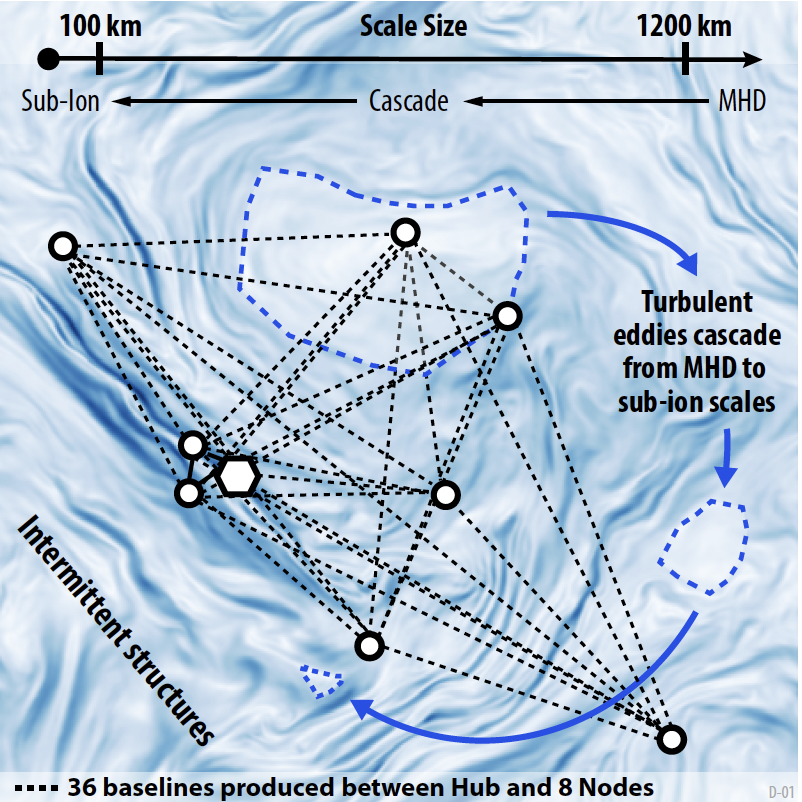
These systems are studied with a combination of analytic theory and numerical simulation, including large-scale nonlinear turbulence codes such as AstroGK, HVM, and gkeyll. These theoretical predictions are compared to in situ observations from spacecraft including NASA's Wind, MMS and Parker Solar Probe mission, as well as the upcoming HelioSwarm mission, which will fly nine spacecraft between the Earth and moon to characterize the transport and dissipation of turbulent energy in space plasmas. By comparing theory with local plasma measurements, we aim to answer a variety of questions about the behavior of plasma in our solar system.
Ph.D., 2013, University of Iowa
Years with LPL: 2017
PTYS/LPL Faculty
×
Kuiper 353
Steve Kortenkamp
Professor of Practice
Science education, with an emphasis on developing and exploring techniques for teaching astronomy to students who are blind (developed 3D tactile resources in image below). Planet formation and orbital dynamics of asteroids, dust particles, planetesimals. Children's science author for struggling readers in grades K-8.

Ph.D., 1996, University of Florida
Years with LPL: 2001 to present
PTYS/LPL Faculty
×
Kuiper 421
Tommi Koskinen
Associate Department Head, Associate Professor
Exoplanets, Planetary Atmospheres, Planetary Formation and Evolution, Titan & Outer Solar System
Dr. Koskinen’s research focuses on the structure and evolution of planet and satellite atmospheres in the solar system and extrasolar planetary systems. He is particularly interested in the physics and chemistry of the middle and upper atmosphere that he studies through both the analysis of observations and theoretical modeling. His research covers a wide range of different objects and techniques in the spirit of comparative planetology, which is critical to our understanding of the evolution of planetary atmospheres and environments in general. Dr. Koskinen served as a participating scientist on the Cassini mission and he is still actively involved in research on the atmospheres of Saturn and Titan. In addition, he develops and maintains models of exoplanet atmospheres that are required to interpret current and planned observations as well as to simulate mass loss and address questions on long-term evolution.
Ph.D., 2008, University College London
Years with LPL: 2009 to present
Dante Lauretta
PTYS/LPL Faculty
×
Kuiper 536
Dante Lauretta
Director, Arizona Astrobiology Center, Principal Investigator, OSIRIS-REx, Regents Professor
Astrobiology, Cosmochemistry, Small Bodies
Arizona Astrobiology Center
Dante Lauretta is a Regents Professor of Planetary Science and Cosmochemistry at the University of Arizona's Lunar and Planetary Laboratory and the Director of the Arizona Astrobiology Center. He is an expert in near-Earth asteroid formation and evolution and serves as the Principal Investigator of NASA's OSIRIS-REx Asteroid Sample Return mission. OSIRIS-REx is the United States' flagship mission to explore a potentially hazardous near-Earth asteroid, Bennu, to study its physical and chemical properties, assess its impact risk, evaluate its resource potential, and return a pristine sample to Earth for detailed scientific analysis.
The spacecraft launched in September 2016, reached Bennu in 2018, and successfully collected a sample in October 2020. On September 24, 2023, the mission achieved a major milestone when the sample capsule returned to Earth. The analysis of these samples is currently underway, offering groundbreaking insights into the origin of life, the processes that shaped the early solar system, and Earth's development as a habitable world.
Dante is also affiliated with NASA's OSIRIS-APEX mission, which builds on OSIRIS-REx's success by extending its exploration of asteroids. Having led the OSIRIS-REx mission to its historic sample return, Dante has since handed the leadership of OSIRIS-APEX to the next generation, ensuring the continued exploration of the solar system by fostering new talent and ideas.
In addition to his leadership roles, he maintains an active research program in cosmochemistry and astrobiology, focusing on understanding the chemical evolution of the solar system and the formation of organic molecules essential for life.
View Dante Lauretta’s TEDx Talk: How asteroid hunters are solving Earth's greatest mysteries
Ph.D., 1997, Washington University
Years with LPL: 2001 to present
Renu Malhotra
PTYS/LPL Faculty
×
Kuiper 515
Renu Malhotra
Louise Foucar Marshall Science Research Professor, Regents Professor
Astrobiology, Exoplanets, Orbital Dynamics, Planetary Formation and Evolution, Small Bodies, Theoretical Astrophysics
Professor Malhotra's research spans orbital dynamics in the solar system and in exo-solar planetary systems. Current topics of research are: theory of orbital resonances, stability and chaos in the asteroid belt and in the Kuiper belt, orbital evolution mechanisms of near-Earth asteroids, the orbital migration history of the giant planets, and the dynamics of exo-solar planetary systems.
Ph.D., 1988, Cornell University
Years with LPL: 2000 to present
PTYS/LPL Faculty
×
Kuiper 323
Mark S. Marley (he/him/his)
Director, Department Head, Professor
Exoplanets
Exoplanets; Planetary Formation and Evolution, Extrasolar planets, planetary and brown dwarf atmospheres, ring seismology.
Ph.D., 1990, University of Arizona
Years with LPL: 2021 to present
PTYS/LPL Faculty
×
Kuiper 401
Angela Marusiak
Assistant Research Professor
Lunar Studies, Planetary Analogs, Planetary Geophysics, Small Bodies, Titan & Outer Solar System
I study how seismology and seismic instrumentation can be used to explore bodies in our solar system. As a member of the InSight team I was focused on detecting deep structure, including the size of the martian core. For the Dragonfly mission, I'm interested in how clathrates may alter the internal structure and seismic response of Titan. As a member of the LEMS team, I'll be helping to build the next astronaut-deployed seismometers on the Moon. Once LEMS is deployed, we'll be able to study the Moon's seismicity and learn about its interior structure.
Ph.D., 2020 University of Maryland
Years with LPL: 2023 to present
PTYS/LPL Faculty
×
Kuiper 527A
Isamu Matsuyama
Professor
Astrobiology, Exoplanets, Lunar Studies, Planetary Formation and Evolution, Planetary Geophysics, Theoretical Astrophysics, Titan & Outer Solar System
Dr. Matsuyama is interested in the physics of planetary interiors and evolution, with an emphasis on understanding the processes that led to the extraordinary diversity of the solar system. He develops theoretical models which are used to interpret spacecraft and ground-based observations.
Current research interests involve improving our understanding of (1) the formation and evolution of the Moon by analysis of the global lunar figure, which provides a record of prior orbital and rotational states; and (2) characterization of the thermal and orbital evolution of icy satellites, with particular emphasis on determining the long-term survivability of their subsurface oceans.
Ph.D., 2005, University of Toronto
Years with LPL: 2011 to present
PTYS/LPL Faculty
×
Sonett 204
Alfred McEwen
Regents Professor
Astrobiology, Lunar Studies, Photogrammetry, Planetary Analogs, Planetary Geophysics, Planetary Surfaces
Dr. McEwen is a planetary geologist and director of the Planetary Image Research Laboratory (PIRL). He is working on several active spacecraft experiments, listed below.
His major research interest is understanding active geologic processes such as volcanism, impact cratering, and slope processes. For Mars and the Moon he is studying a broad range of topics in planetary geology. He is also pursuing studies and proposals for future missions and experiments at Earth and to Jupiter's moons Io and Europa.
Ph.D., 1988, Arizona State University
Years with LPL: 1996 to present
Stefano Nerozzi (he/him/his)
PTYS/LPL Faculty
×
Sonett 25
Stefano Nerozzi (he/him/his)
Assistant Research Professor
Earth, Planetary Analogs, Planetary Geophysics, Planetary Surfaces
I'm an Italian planetary geologist interested in surface processes and near-subsurface geology and geophysics. My main area of expertise is remote sensing with a focus on radar sounding. I study a wide variety of geological features on Mars, ranging from polar deposits to low-latitude outflow channels systems. On Earth, I study debris covered glaciers as analogs to mid-latitude glaciers on Mars via ground penetrating radar, passive seismic techniques, and thermal profilers. I have a strong interest in instrument development, which ranges from modification of commercial seismometers to the design and construction of thermal profilers and environmental sensors.
Ph.D., 2019, The University of Texas at Austin
Years with LPL: 2025 to present
PTYS/LPL Faculty
×
Kuiper 532
Ilaria Pascucci
Professor
Astrobiology, Exoplanets, Planetary Astronomy, Planetary Formation and Evolution
My research is directed towards understanding how planets form and evolve and how common are planetary systems like our own Solar system. To this end, my group carries out observations aimed at characterizing the physical and chemical evolution of gaseous dust disks around young stars, the birth sites of planets. In addition, we use exoplanet surveys to re-construct the intrinsic frequency of planets around mature stars. By linking the birth sites of planets to the exoplanet populations, we contribute to building a comprehensive and predictive planet formation theory, a necessary step in identifying which nearby stars most likely host a habitable planet like Earth.
Ph.D., 2004, Max Planck Institute for Astronomy Heidelberg
Years with LPL: 2011 to present
PTYS/LPL Faculty
×
Kuiper 428
Sukrit Ranjan (he/him)
Assistant Professor
Astrobiology, Earth, Exoplanets, Planetary Atmospheres, Planetary Formation and Evolution, Theoretical Astrophysics
Astrobiology, Earth, Early Earth, Exoplanets; Planetary Formation and Evolution, Origin of Life, Planetary Atmospheres, Photochemistry, Theoretical Astrophysics
Ph.D., 2017, Harvard University
Years with LPL: 2022 to present
PTYS/LPL Faculty
×
Kuiper 233
Vishnu Reddy
Professor
Cosmochemistry, Planetary Astronomy, Planetary Surfaces, Small Bodies, Space Situational Awareness
Dr. Reddy’s research focuses on understanding the behavior of space objects (natural and artificial) using a range of Earth and space-based assets. His work on natural moving objects (asteroids, near-Earth objects) is directed towards their characterization for impact hazard assessment/mitigation, asteroid-meteorite link and resource utilization. To this effort, Dr. Reddy uses the NASA Infrared Telescope Facility on Mauna Kea, Hawai’i.
The orbital space around the Earth is an invaluable resource that is increasingly becoming congested, contested, and competitive with the ever increasing threat from artificial and our adversaries. Dr. Reddy uses the same techniques used to characterize asteroid to study the behavior of artificial objects to identify their nature, intent and origin. He is setting up a space material characterization lab to observe the reflectance properties of natural (meteorites/minerals) and artificial space material in space like conditions.
Ph.D., 2009, University of North Dakota
Years with LPL: Spring 2016
PTYS/LPL Faculty
×
Steward 272
George Rieke
Regents Professor
Planetary Astronomy
Dr. Rieke is currently conducting research programs in planetary debris disks and their relation to the evolution of planetary systems, and in the evolution of star formation in infrared galaxies.
Ph.D., 1969, Harvard
Years with LPL: 1970 to present
PTYS/LPL Faculty
×
Kuiper 417
Tyler Robinson (he/him/his)
Associate Professor
Exoplanets
Tyler uses sophisticated radiative transfer and climate tools to study the atmospheres of Solar System worlds, exoplanets, and brown dwarfs. Tyler also develops retrieval and instrument models for exoplanet direct imaging. He combines these areas of expertise in his work on the Nancy Grace Roman Space Telescope Coronagraph Instrument and Habitable Worlds Observatory (HWO). Previously, Tyler collaborated on the Habitable Exoplanet Observatory (HabEx) Science and Technology Definition Team as well as the LUVOIR, WFIRST/Rendezvous, and Origins Space Telescope mission concept studies. Tyler is a Cottrell Scholar, as well as a former NASA Sagan Fellow and NASA Postdoctoral Program Fellow.
Ph.D., 2012, University of Washington
Years with LPL: Since 2022
PTYS/LPL Faculty
×
Kuiper 525
Roger Yelle
Professor
Astrobiology, Exoplanets, Planetary Atmospheres, Titan & Outer Solar System
Professor Yelle studies the atmospheres in our solar system and the atmospheres of extra-solar planets. He analyzes telescopic and spacecraft data and constructs theories and models to determine the composition and structure of atmospheres and their interaction with surfaces and interplanetary space. Current projects include the study of chemical, thermal and dynamical processes in Titan’s upper atmosphere using primarily data from the Cassini mission to the Saturn system, escape processes on Titan, Mars, and extra-solar planets, and the composition and chemistry of the martian atmosphere. Yelle is a member of the Cassini Ion Neutral Mass Spectrometer Team and a co-I on the planned Maven mission to study the upper atmosphere of Mars.
Ph.D., 1984, University of Wisconsin-Madison
Years with LPL: 2001 to present
PTYS/LPL Faculty
×
Kuiper 522
Tom Zega
Professor
Astrobiology, Cosmochemistry, Small Bodies
Dr. Zega applies a microscopy- and microanalysis-based approach to study the chemical and physical evolution of the early solar system. He uses ultrahigh-resolution ion- and electron-microscopy, including focused-ion-beam scanning-electron microscopy and transmission electron microscopy, to determine the composition and structure of planetary materials at scales ranging from millimeters down to the atomic. Such information is supported by computational thermodynamics to gain novel insights materials origins. His current research is focused on origin of refractory inclusions that formed the first solar-system solids and sulfides that formed in the early solar nebula. He is also involved in the analysis of samples returned by the JAXA Hayabusa missions to asteroid Itokawa and Ryugu, and those returned from asteroid Bennu by NASA’s OSIRIS-REx mission.
Ph.D., 2003, Arizona State University
Years with LPL: 2011 to present
Brett Carr (he/him/his)
PTYS/LPL Faculty
×
Offsite
Brett Carr (he/him/his)
Researcher/Scientist
Earth, Lunar Studies, Photogrammetry, Planetary Analogs, Planetary Surfaces
I am a volcanologist studying the physical processes driving volcanic eruptions. I combine observational and numerical modeling techniques towards my primary goal of building a more complete understanding of active volcanism. I develop new ways to collect and analyze remote sensing observations to better capture volcanic eruption processes. I am particularly interested in the eruptive cycles of persistently active volcanoes and the drivers of changes in activity style. This broad topic includes projects investigating lava dome growth and collapse, lava flow emplacement, and transitions between effusive and explosive activity. By understanding how and why a volcano erupts, I aim to help improve assessment of the numerous hazards associated with eruptions. I also specialize in applications of unoccupied aircraft systems (UAS) and photogrammetry in volcanic environments. My recent work has included field campaigns to Indonesia, the Galápagos Islands, Hawaii, Italy, and Iceland.
Ph.D., 2016, Arizona State University
PTYS/LPL Faculty
×
Kuiper 215
Erich Karkoschka
Research Scientist/Senior Staff Scientist
Planetary Astronomy, Planetary Atmospheres, Planetary Surfaces, Titan & Outer Solar System
Spectroscopy, photometry, development of astronomical instruments, data reduction techniques, modeling planetary atmospheres (chemical composition, vertical and horizontal structure of aerosol distribution, aerosol properties), methane and ammonia absorption spectra, interpretation of planetary ring and satellite photometry, Titan surface.
Ph.D., 1990, The University of Arizona
Years with LPL: 1983-
Ashraf Moradi
PTYS/LPL Faculty
×
Kuiper 409A
Ashraf Moradi
Researcher/Scientist
Solar and Heliospheric Research
The effect of the Interplanetary Transport on the Ground-level Enhancement (GLE) events.
Transport of Solar Energetic Particles into the Interplanetary Space.
Modeling the Photospheric Surface Flows.
Expansion of the open magnetic fluxtubes into the inner corona.
Ph.D. Space Physics, University of Alabama in Huntsville
Michael Phillips
PTYS/LPL Faculty
×
Kuiper 237
Joseph Schools
Researcher/Scientist
My research focuses on the study of planetary interiors through geodynamic and petrological modeling. I create models of silicate melt processes in the lithosphere of planetary bodies in order to constrain their interior structures in the absence of instrumentation. I am particularly interested in the tectonic-magmatic processes of Venus and Jupiter's moon Io.
Ph.D., 2020, University of Maryland, College Park
Years with LPL: 2023 to present
Adam Battle (he/him/his)
PTYS/LPL Postdocs
×
Kuiper 245
Adam Battle (he/him/his)
R&D Software Engineer, SPACE 4 Center
Asteroid Surveys, Small Bodies, Space Situational Awareness
Photometric and visible to near-infrared spectral characterization of space objects as applied to both Space Situational Awareness and the study of small bodies in the solar system.
Advisor(s): Vishnu Reddy
Dmitriy Bayko
Alexander Berne
Joseph Eatson
Alexandra Le Contellec
Wesley Tucker
Roberto Aguilar
Elana Alevy (she/her)
Rahul Arora
PTYS/LPL Graduate Students
×
Kuiper 316
Namya Baijal
PTYS Graduate Student
Planetary Geophysics, Planetary Surfaces, Small Bodies
PTYS/LPL Graduate Students
×
Kuiper 324
Naman Bajaj
PTYS Graduate Student
Exoplanets, Planetary Formation and Evolution
PTYS/LPL Graduate Students
×
Kuiper 318
Maizey Benner (she/they)
PTYS Graduate Student
Cosmochemistry
Maddy Christensen
Sophie Clark
Michael Daniel
PTYS/LPL Graduate Students
×
Sonett 10C
Michael Daniel
PTYS Graduate Student
Earth, Planetary Surfaces
Interests: My primary interests are in glaciology, mass accumulation on glaciers, and climate change impacts on glaciers.
Research: My current research project is mapping out snow depths in the Gulf of Alaska to better understand glacier mass balance in this region. This is done by interpreting radar results from airborne and surface-coupled ground penetrating radar to extract seasonal snow accumulation amounts. Additional work is being done to compare these ground penetrating radar results to satellite and re-analysis products.
Field Experience: I have done field work on; Seward Glacier (Yukon, Canada), Galena Creek Rock Glacier (Wyoming, USA), and Sulphur Creek Rock Glacier (Wyoming, USA) to collect ground penetrating radar data and other geophysical data.
PTYS/LPL Graduate Students
×
Kuiper 316
Searra Foote (she/her)
PTYS Graduate Student
Astrobiology, Exoplanets, Planetary Atmospheres
I study exoplanet atmospheres with an astrobiological perspective
Ruby Fulford (She/Her)
Kiki Gonglewski
Gabriel Gowman
Kylie Hall
Joanna Hardesty
Devin Hoover
PTYS/LPL Graduate Students
×
Kuiper 316
Lori Huseby
PTYS Graduate Student
Exoplanets, Planetary Atmospheres
Rocio Jacobo Bojorquez (she/her)
Nicole Kerrison (she/they)
Euibin Kim
Melissa Kontogiannis (she/her)
Chaucer Langbert (they/them)
Thea McKenna
Cole Meyer (he/him/his)
PTYS/LPL Graduate Students
×Kuiper 334
Cole Meyer (he/him/his)
PTYS Graduate Student
Planetary Atmospheres, Planetary Surfaces, Solar and Heliospheric Research
Carter Mucha
PTYS/LPL Graduate Students
×
Kuiper 322
Fuda Nguyen (he/they)
PTYS Graduate Student
Exoplanets, Planetary Atmospheres, Planetary Formation and Evolution, Theoretical Astrophysics
Iunn Ong
Tyler Reese
Lily Robinthal (she/her)
Christina Singh (she/her)
Lucas Smith
Kayla Smith
Anna Taylor (She/Her)
PTYS/LPL Graduate Students
×Kuiper 201
Anna Taylor (She/Her)
PTYS Graduate Student
Exoplanets, Planetary Atmospheres, Theoretical Astrophysics
Robin Van Auken
Nathalia Vega Santiago
Jingyu Wang
PTYS/LPL Graduate Students
×
Kuiper 322
Jingyu Wang
PTYS Graduate Student
Astrobiology, Exoplanets, Planetary Astronomy, Planetary Atmospheres
NASA’s OSIRIS-REx Spacecraft Enters Close Orbit Around Bennu, Breaking Record
By Erin Morton
NASA’s OSIRIS-REx Spacecraft Enters Close Orbit Around Bennu, Breaking Record
×
By Erin Morton, OSIRIS-REx Asteroid Sample Return Mission - December 31, 2018
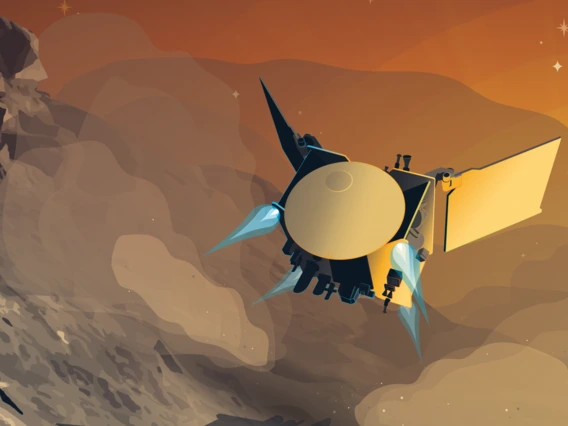
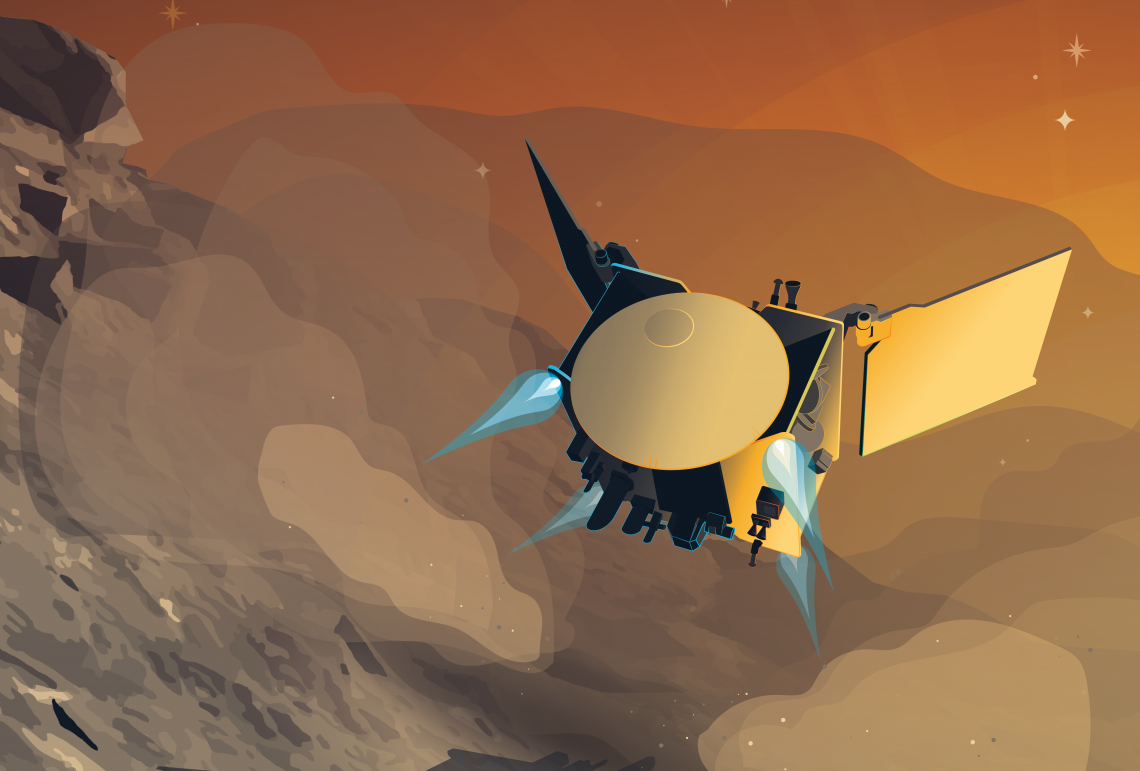
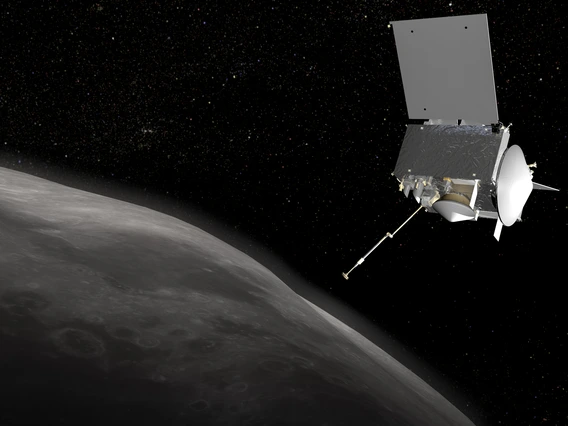
At 2:43 p.m. EST on December 31, while many on Earth prepared to welcome the New Year, NASA’s OSIRIS-REx spacecraft, 70 million miles (110 million kilometers) away, carried out a single, eight-second burn of its thrusters – and broke a space exploration record. The spacecraft entered into orbit around the asteroid Bennu, and made Bennu the smallest object ever to be orbited by a spacecraft.
“The team continued our long string of successes by executing the orbit-insertion maneuver perfectly,” said Dante Lauretta, OSIRIS-REx principal investigator at the University of Arizona, Tucson. “With the navigation campaign coming to an end, we are looking forward to the scientific mapping and sample site selection phase of the mission.”
Lauretta, along with his team, spent the last day of 2018 with his feet planted on Earth, but his mind focused on space. “Entering orbit around Bennu is an amazing accomplishment that our team has been planning for years,” Lauretta said.
Inching around the asteroid at a snail’s pace, OSIRIS-REx’s first orbit marks a leap for humankind. Never before has a spacecraft from Earth circled so close to such a small space object – one with barely enough gravity to keep a vehicle in a stable orbit.
Now, the spacecraft will circle Bennu about a mile (1.75 kilometers) from its center, closer than any other spacecraft has come to its celestial object of study. (Previously the closest orbit of a planetary body was in May 2016, when the Rosetta spacecraft orbited about four miles (seven kilometers) from the center of the comet 67P/Churyumov-Gerasimenko.) The comfortable distance is necessary to keep the spacecraft locked to Bennu, which has a gravity force only 5-millionths as strong as Earth’s. The spacecraft is scheduled to orbit Bennu through mid-February at a leisurely 62 hours per orbit.
Now that the OSIRIS-REx spacecraft is closer to Bennu, physical details about the asteroid will leap into sharper focus, and the spacecraft’s tour of this rubble pile of primordial debris will become increasingly detailed and focused.
“Our orbit design is highly dependent on Bennu’s physical properties, such as its mass and gravity field, which we didn’t know before we arrived,” said OSIRIS-REx’s flight dynamics system manager Mike Moreau, who is based at NASA’s Goddard Space Flight Center in Greenbelt, Maryland.
“Up until now, we had to account for a wide variety of possible scenarios in our computer simulations to make sure we could safely navigate the spacecraft so close to Bennu. As the team learned more about the asteroid, we incorporated new information to hone in on the final orbit design,” he said.
The simulations have played a critical role. The OSIRIS-REx mission, after all, was designed based on complex computer programs that predicted — quite accurately, as it turns out — the properties of Bennu and how the spacecraft’s trajectory would behave. This diligent preparation allowed the team to navigate the vehicle safely to Bennu in December and put some questions to rest (there are, indeed, signs of ancient water preserved in Bennu’s rocks) and to fly over its poles and equator in a preliminary survey that led to some surprises (Bennu has many large boulders).
Having completed the preliminary survey of Bennu with a flyby of its south pole on December 16, the spacecraft moved to a safe 31 miles (50 kilometers) away from the asteroid to give the navigation team a chance to regroup and prepare for orbit insertion. Next, Lockheed Martin engineers programmed the spacecraft to begin moving back to a position about nine miles (15 kilometers) over Bennu’s north pole to prepare for three burns of its thrusters over the course of 10 days that would place the spacecraft into orbit.
Even though OSIRIS-REx is in the most stable orbit possible, Bennu’s gravitational pull is so tenuous that keeping the spacecraft safe will require occasional adjustments, said Dan Wibben, OSIRIS-REx maneuver and trajectory design lead at KinetX Aerospace in Simi Valley, California.
“The gravity of Bennu is so small, forces like solar radiation and thermal pressure from Bennu’s surface become much more relevant and can push the spacecraft around in its orbit much more than if it were orbiting around Earth or Mars, where gravity is by far the most dominant force,” he said.
The OSIRIS-REx navigation team will use “trim” maneuvers to slightly thrust the spacecraft in one direction or another to correct its orbit and counter these small forces. If the spacecraft drifts away from Bennu, or some other problem forces it into safe mode, it has been programmed to fly away from the asteroid to stay safe from impact.
“It’s simple logic: always burn toward the Sun if something goes wrong,” said Coralie Adam, OSIRIS-REx lead optical navigation engineer at KinetX. Engineers can navigate the spacecraft back into orbit if it drifts away, Adam said, though that’s unlikely to happen.
The navigation and spacecraft operations teams are focused on the first orbital phase. Their primary goal is to transition away from star-based navigation, which allowed the team to locate the spacecraft based on pictures of the star formations around it taken by the cameras onboard. Navigators use methods like this since there is no GPS in deep space and we can’t see the spacecraft from Earth-based telescopes. From this point forward, though, the OSIRIS-REx team will rely on landmarks on Bennu’s surface to track OSIRIS-REx, a more precise technique that will ultimately guide them to a sample-collection site clear of boulders and large rocks, said Adam.
“After conducting a global imaging and mapping campaign during our recent preliminary survey phase, the science team has created 3-D models of Bennu’s terrain that we’re going to begin using for navigation around the asteroid,” she said.
Another critical objective of this orbital phase, Adam said, is to get a better handle on Bennu’s mass and gravity, features that will influence the planning of the rest of the mission, notably the short touchdown on the surface for sample collection in 2020. In the case of Bennu, scientists can only measure these features by getting OSIRIS-REx very close to the surface to see how its trajectory bends from Bennu’s gravitational pull.
“The Orbital A phase will help improve our detailed models for Bennu’s gravity field, thermal properties, orientation, and spin rate,” said Wibben. “This, in turn, will allow us to refine our trajectory designs for the even more challenging flight activities we will perform in 2019.”
The December 31 maneuver to place the spacecraft into orbit about Bennu is the first of many exciting navigation activities planned for the mission. The OSIRIS-REx team will resume science operations in late February. At that point, the spacecraft will perform a series of close flybys of Bennu for several months to take high-resolution images of every square inch of the asteroid to help select a sampling site. During the summer of 2020, the spacecraft will briefly touch the surface of Bennu to retrieve a sample. The OSIRIS-REx mission is scheduled to deliver the sample to Earth in September 2023.
Stellar Corpse Reveals Clues to Missing Stardust
The origin of stardust, which makes up most of the matter in our solar system, including us, is more complicated than previously thought, according to new observations of a mysterious object 15,000 light-years from Earth.
Stellar Corpse Reveals Clues to Missing Stardust
×
By Daniel Stolte, University Communications - December 19, 2018
Everything around you – your desk, your laptop, your coffee cup – in fact, even you – is made of stardust, the stuff forged in the fiery furnaces of stars that died before our sun was born. Probing the space surrounding a mysterious stellar corpse, scientists at the University of Arizona have made a discovery that could help solve a long-standing mystery: Where does stardust come from?
When stars die, they seed the cosmos around them with the elements that go on to coalesce into new stars, planets, asteroids and comets. Most everything that makes up Earth, even life itself, consists of elements made by previous stars, including silicon, carbon, nitrogen and oxygen. But this is not the whole story. Meteorites commonly contain traces of a type of stardust that, until now, was believed to form only in exceptionally violent, explosive events of stellar death known as novae or supernovae – too rare to account for the abundance preserved in meteorites.
Researchers at the UA used radio telescopes in Arizona and Spain to observe gas clouds in the young planetary nebula K4-47, an enigmatic object approximately 15,000 light-years from Earth. Classified as a nebula, K4-47 is a stellar remnant, which astronomers believe was created when a star not unlike our sun shed some of its material in a shell of outflowing gas before ending its life as a white dwarf.
To their surprise, the researchers found that some of the elements that make up the nebula – carbon, nitrogen and oxygen – are highly enriched with certain variants that match the abundances seen in some meteorite particles but are otherwise rare in our solar system: so-called heavy isotopes of carbon, nitrogen and oxygen, or 13C, 15N and 17O, respectively. These isotopes differ from their more common forms by containing an extra neutron inside their nucleus.
Fusing an additional neutron onto an atomic nucleus requires extreme temperatures in excess of 200 million degrees Fahrenheit, leading scientists to conclude those isotopes could only be formed in novae – violent outbursts of energy in aging binary star systems – and supernovae, in which a star blows itself apart in one cataclysmic explosion.
"The models invoking only novae and supernovae could never account for the amounts of 15N and 17O we observe in meteorite samples," said Lucy Ziurys, senior author of the paper, which is published in the Dec. 20 issue of the journal Nature. "The fact that we're finding these isotopes in K4-47 tells us that we don't need strange exotic stars to explain their origin. It turns out your average garden variety stars are capable of producing them as well."
In lieu of cataclysmic explosive events forging heavy isotopes, the team suggests they could be produced when an average-size star such as our sun becomes unstable toward the end of its life and undergoes a so-called helium flash, in which super-hot helium from the star's core punches through the overlaying hydrogen envelope.
"This process, during which the material has to be spewed out and cooled quickly, produces 13C, 15N and 17O," explained Ziurys, a professor with dual appointments in the UA's Steward Observatory and Department of Chemistry and Biochemistry. "A helium flash doesn't rip the star apart like a supernova does. It's more like a stellar eruption."
The findings have implications for the identification of stardust and the understanding of how common stars create elements such as oxygen, nitrogen and carbon, the authors said.
The discovery was made possible through a collaboration between disciplines that traditionally have remained relatively separate: astronomy and cosmochemistry. The team used radio telescopes at the Arizona Radio Observatory and Institut de Radioastronomie Millimetrique (IRAM) to observe rotational spectra emitted by the molecules in the K4-47 nebula, which reveal clues about their mass distribution and their identity.
"When Lucy and I started collaborating on this project, we realized that we could reconcile what we found in meteorites and what we observe in space," said co-author Tom Zega, associate professor of cosmochemistry, planetary materials and astrobiology in the UA's Lunar and Planetary Laboratory.
The researchers are eagerly awaiting the discoveries that lie ahead for NASA's OSIRIS-REx asteroid sample return mission, which is led by the UA. Just two weeks ago, the spacecraft arrived at its target asteroid, Bennu, from which it will collect a sample of pristine material in 2020. One of the mission's major goals is to understand the evolution of Bennu and the origins of the solar system.
"You can think of the grains we find in meteorites as stellar ashes, left behind by stars that had long died when our solar system formed," Zega said. "We expect to find those pre-solar grains on Bennu – they are part of the puzzle of the history of this asteroid, and this research will help define where the material on Bennu came from."
"We can now trace where those ashes came from," Ziurys added. "It's like an archeology of stardust."
"The study of explosive helium burning inside stars will start a new chapter in the story of the origin of the chemical elements," said Neville "Nick" Woolf, Professor Emeritus at Steward Observatory and the fourth co-author.
The article’s first author is Deborah Schmidt, a doctoral student at the Steward Observatory.
This research was funded by the National Science Foundation (Grant No. AST- 1515568) and NASA (Agreement No. NNX15AD94G).
UA Researcher Captures Rare Radar Images of Comet 46P/Wirtanen
A LPL-led team took the best known opportunity for the next 30 years to image a comet with radar, resulting in some unique and surprising information about Comet 46P/Wirtanen.
UA Researcher Captures Rare Radar Images of Comet 46P/Wirtanen
×
By Erin Morton, UA Lunar and Planetary Laboratory - December 20, 2018
Although barely visible to the naked eye, Comet 46P/Wirtanen keeps some secrets so close that only radar can uncover them.
As the comet was making its close approach to Earth on Dec. 16, it was studied by a team of scientists led by Ellen Howell from the UA's Lunar and Planetary Laboratory. The team used Arecibo Observatory’s planetary radar, which is supported by NASA’s Near-Earth Object Observations program.
Studying the comet with radar provides a glimpse of its nucleus, the solid portion of the comet usually hidden inside a cloud of gas and dust that makes up the coma and tail. Radar images also allow for a precise determination of the comet’s orbit, allowing scientists to better predict how the gas and dust emission can alter the orbit.
Arecibo Observatory, a facility of the National Science Foundation operated by the University of Central Florida, is the only radar facility with the sensitivity to acquire images of Comet 46P/Wirtanen’s nucleus during its flyby. The Arecibo radar observations of Comet 46P/Wirtanen began Dec. 10 and continued through Dec. 18.
The radar images of the nucleus revealed an elongated, somewhat lumpy body that is much rougher than others that have been studied.
The new radar observations provided the first definitive measurements of Comet 46P/Wirtanen’s diameter, which is approximately 0.9 miles (1.4 km). Previous size estimates of the diameter were derived from the comet’s brightness, but radar provides a more direct measurement.
Howell’s team, which included scientists from the University of Central Florida and the Lunar and Planetary Institute, was also able to observe the comet’s large-grain coma, which is only detectable to radar. They discovered that it contains a significant population of particles, defined as those just under an inch (2 cm) and larger. This coma skirt, seen in some but not all comets observed with radar, is very extensive and asymmetric in this active comet.
“Radar observations give us images of the comet nucleus we can’t get any other way. This comet has a really rugged looking surface, which might be related to the large population of grains in its coma,” said Howell, a senior research scientist at the Lunar and Planetary Laboratory. “Every comet we study is unique. Radar images are important pieces of the puzzle.”
Howell’s team was also able to find some surprising differences between this and other comets of the same family.
Comet 46P/Wirtanen is one of a group of comets called Jupiter family comets, as their orbits are controlled by Jupiter’s gravity. Two other Jupiter family comets, 45P/Honda-Mrkos-Pajdusakova and 41P/Tuttle-Giacobini-Kresak, were also recently studied by radar in 2017.
Although the three comets have similar orbits and activity levels, the radar observations show that they are actually quite different, especially with regard to the large grains in the coma. Comet 46P/Wirtanen has a large population of large grains, 45P/Honda-Mrkos-Pajdusakova has a smaller population of these grains, but 41P/Tuttle-Giacobini-Kresak had none.
Comet 46P/Wirtanen made its closest approach of Earth at about 7.2 million miles (11.6 million km), or 30 Earth-Moon distances, at a speed of over 22 thousand miles per hour (10 km/sec) relative to Earth. Howell’s team collaborated with a larger UA research group, headed by Lunar and Planetary Laboratory professor Walter Harris, to observe the comet at many different wavelengths during the pass to characterize the gas and dust emanating from the nucleus that forms the coma.
Comets are remnants of the planet-forming process, and are part of a group of objects made of water, ice and rocky material that formed beyond Neptune. The study of these objects gives us an idea of how our solar system formed and evolved over time.
This comet is only the eighth imaged using radar in the last 30 years, as comets rarely come close enough to the Earth to get detailed images. In fact, although 46P/Wirtanen has an orbital period of about 5.44 years, it rarely passes this close to Earth. The next close approach by Comet 46P/Wirtanen will be in 2029, but during that approach the comet will be 10 times farther away from the Earth than it is now.
This flyby was the best known opportunity to image a comet with radar for the next 30 years.
UA-Led OSIRIS-REx Discovers Water on Asteroid Bennu
Observations made by the spacecraft during its approach of Bennu reveal that the asteroid interacted with water in its early history and is an excellent specimen for the mission, which is slated to return a sample of surface material to Earth in 2023.
UA-Led OSIRIS-REx Discovers Water on Asteroid Bennu
×
By Erin Morton/OSIRIS-REx and Daniel Stolte/University Communications - December 10, 2018
From August through early December, the OSIRIS-REx spacecraft aimed three of its science instruments toward Bennu and began making the mission's first observations of the asteroid. During this period, the spacecraft traveled the last 1.4 million miles (2.2 million km) of its outbound journey to arrive at a spot 12 miles (19 km) from Bennu on Dec. 3. The science obtained from these initial observations confirmed many of the mission team's ground-based observations of Bennu and revealed several new surprises.
Team members of the mission, which is led by the University of Arizona, presented the results at the Annual Fall Meeting of the American Geophysical Union, or AGU, in Washington, D.C. on Dec. 10.
In a key finding for the mission's science investigation, data obtained from the spacecraft's two spectrometers — the OSIRIS-REx Visible and Infrared Spectrometer, or OVIRS, and the OSIRIS-REx Thermal Emissions Spectrometer — reveal the presence of molecules that contain oxygen and hydrogen atoms bonded together, known as "hydroxyls." The team suspects that these hydroxyl groups exist globally across the asteroid in water-bearing clay minerals, meaning that at some point, the rocky material interacted with water. While Bennu itself is too small to have ever hosted liquid water, the finding does indicate that liquid water was present at some time on Bennu's parent body, a much larger asteroid.
"This finding may provide an important link between what we think happened in space with asteroids like Bennu and what we see in the meteorites that scientists study in the lab," said Ellen Howell, senior research scientist at the UA's Lunar and Planetary Laboratory, or LPL, and a member of the mission's spectral analysis group. "It is very exciting to see these hydrated minerals distributed across Bennu's surface, because it suggests they are an intrinsic part of Bennu's composition, not just sprinkled on its surface by an impactor."
"The presence of hydrated minerals across the asteroid confirms that Bennu, a remnant from early in the formation of the solar system, is an excellent specimen for the OSIRIS-REx mission to study the composition of primitive volatiles and organics," said Amy Simon, OVIRS Deputy Instrument Scientist at NASA Goddard Space Flight Center.
Additionally, data obtained from the OSIRIS-REx Camera Suite, or OCAMS, corroborate ground-based radar observations of Bennu and confirm that the original model — developed in 2013 by OSIRIS-REx Science Team Chief Michael Nolan, now based at LPL, and collaborators — closely predicted the asteroid's actual shape. Bennu's diameter, rotation rate, inclination and overall shape presented almost exactly as projected.
Soon after the asteroid later named Bennu was discovered in 1999, Nolan's group used the Arecibo Observatory in Puerto Rico to gather clues about its size, shape and rotation by bouncing radar waves off of it during one of its close approaches to Earth, about five times the distance between Earth and the moon.
"Radar observations don't give us any information about colors or brightness of the object, so it is really interesting to see the asteroid up close through the eyes of OSIRIS-REx," Nolan said. "As we are getting more details, we are figuring out where the craters and boulders are, and we were very pleasantly surprised that virtually every little bump we saw in our radar image back then is actually really there."
The mission team used this ground-based Bennu model when designing the OSIRIS-REx mission. The accuracy of the model means that the mission, spacecraft, and planned observations were appropriately designed for the tasks ahead at Bennu.
One outlier from the predicted shape model is the size of the large boulder near Bennu's south pole. The ground-based shape model calculated this boulder to be at least 33 feet (10 meters) in height. Preliminary calculations from OCAMS observations show that the boulder is closer to 164 feet (50 meters) in height, with a width of approximately 180 feet (55 meters).
As expected, the initial assessment of Bennu's regolith indicates that the surface of Bennu is a mix of very rocky, boulder-filled regions and a few relatively smooth regions that lack boulders. However, the quantity of boulders on the surface is higher than was expected. The team will make further observations at closer ranges to more accurately assess where a sample can be taken on Bennu for later return to Earth.
"Our initial data show that the team picked the right asteroid as the target of the OSIRIS-REx mission. We have not discovered any insurmountable issues at Bennu so far," said Dante Lauretta, OSIRIS-REx principal investigator and professor of planetary science and cosmochemistry at LPL. "The spacecraft is healthy and the science instruments are working better than required. It is time now for our adventure to begin."
"What used to be science fiction is now a reality," said UA President Robert C. Robbins. "Our work at Bennu brings us a step closer to the possibility of asteroids providing astronauts on future missions into the solar system with resources like fuel and water."
The mission is currently performing a preliminary survey of the asteroid, flying the spacecraft in passes over Bennu's north pole, equator and south pole at ranges as close as 4.4 miles (7 km) to better determine the asteroid's mass. This survey also provides the first opportunity for the OSIRIS-REx Laser Altimeter, an instrument contributed by the Canadian Space Agency, to make observations now that the spacecraft is in proximity to Bennu. The spacecraft's first orbital insertion is scheduled for Dec. 31, and OSIRIS-REx will remain in orbit until mid-February 2019, when the mission transitions into the next survey phase. During this first orbital phase, the spacecraft will orbit the asteroid at a range of 0.9 miles (1.4 km) to 1.24 miles (2 km) from the center of Bennu – setting two new records for the smallest body ever orbited by a spacecraft and the closest orbit of a planetary body by any spacecraft.
NASA's Goddard Space Flight Center in Greenbelt, Maryland, provides overall mission management, systems engineering and the safety and mission assurance for OSIRIS-REx. Lauretta is the principal investigator, and the UA also leads the science team and the mission's science observation planning and data processing. Lockheed Martin Space Systems in Denver built the spacecraft and is providing flight operations. Goddard and KinetX Aerospace are responsible for navigating the OSIRIS-REx spacecraft. OSIRIS-REx is the third mission in NASA's New Frontiers Program. NASA's Marshall Space Flight Center in Huntsville, Alabama, manages the agency's New Frontiers Program for the Science Mission Directorate in Washington.
UA Undergrad Works to ID OSIRIS-REx Touchdown Site
Systems engineering and mathematics double major Keara Burke is helping NASA's OSIRIS-REx spacecraft find the perfect place to collect samples at its far-flung destination, the asteroid Bennu.UA Undergrad Works to ID OSIRIS-REx Touchdown Site
×
By Emily Dieckman, UA College of Engineering - December 10, 2018
University of Arizona senior Keara Burke spent her first summer as a college student studying abroad with the Honors College, visiting eight countries in two months.
"I've never felt more connected to what it means to be human," Burke said. "The entire trip was focused on human identity."
As an image processing intern on the UA-led OSIRIS-REx NASA mission, the systems engineering and mathematics double major has expanded her exploration of humanity well beyond Europe's borders – indeed beyond Earth's atmosphere.
The seven-year OSIRIS-REx project, which began with the launch of the spacecraft in September 2016, aims to collect about two ounces of regolith – dust, dirt and rock particles – from the surface of Bennu, a near-earth asteroid 150 million miles away. Scientists will use the sample to study the history of the solar system and of humankind, seeking answers to questions about our origins and what lies ahead.
Carbon-rich asteroids like Bennu may contain some of the earliest records of our solar system and are thought to have delivered to Earth building blocks of life – amino acids, organic molecules and water. Someday, the water, organic compounds and precious metals on these asteroids could fuel spacecraft to explore deep space.
OSIRIS-REx arrived at Bennu on Dec. 3 and begin orbiting the asteroid to map and survey its surface before the scheduled July 2020 regolith collection. A capsule containing the sample is expected to depart Bennu in March 2021 and return to Earth in September 2023.
Counting Rocks and Calculating Risks
As a child, Burke was more interested in the humanities and arts than science. But the Scottsdale-area native has always enjoyed looking at the stars in the clear Arizona sky and pointing out the planets to her friends. A high school chemistry teacher told her she had a bright future ahead if she applied herself.
"Maybe in engineering," he suggested. "You could even be an astronaut!"
Burke hasn't looked back. She homed in on systems engineering at the UA because of its solid foundation in optimization, statistics and planning – areas that come naturally to her – and picked up a second major in math along the way. She started interning with the OSIRIS-REx team during her sophomore year.
Burke's task is to help identify the safest place on Bennu, one that isn't too rocky, for the spacecraft to collect a sample with its Touch-And-Go Sample Acquisition Mechanism. The TAGSAM arm is only expected to touch Bennu's surface for five seconds, but doing so in an area with lots of rocks could compromise the mission.
The TAGSAM will collect rocks only up to about three-quarters of an inch (2 centimeters) in diameter. Rocks larger than 21 centimeters can block the entire collection head, Burke explained, and rocks taller than 5 centimeters can cause the TAGSAM to tilt, affecting how much the chamber can collect.
"We have to be able to track all these hazards," said Burke, whose job involves counting the number of rocks in the images of Bennu that OSIRIS-REx sends back to Earth every day.
Using a combination of software and statistical analysis to determine the quantity, relative size and distribution of rocks on the asteroid, the image processing team hopes to identify the best possible sample site for OSIRIS-REx.
"The first part of our imaging campaign once we arrive at the asteroid will involve establishing the global distribution of rocks on the asteroid," Burke said. "Then we'll zoom in on the areas that seem safe, image those and pick a site that seems the safest for the TAGSAM to make contact."
Exceeding Expectations
Burke started her internship counting rocks in images of a simulated asteroid surface with a particle distribution similar to what the team expects to see on Bennu, and she offered to analyze the data when she finished. It was a big task for an undergraduate, but the mission's lead image processing scientist, Daniella DellaGiustina, agreed to let her try. Within weeks, Burke had installed a matrix laboratory, or MATLAB, library onto the mission's computers, giving the team better data analysis capabilities than ever before. The American Geophysical Union selected Burke to present at its December meeting, which is the largest Earth and space science conference in the world.
"It is rare to work with an undergraduate who is brilliant enough to lead Ph.D.-level research," DellaGiustina said. "I am continually impressed with her adeptness in both technical and professional matters."
Burke, the vice president of the Engineering Student Council, an Engineering Ambassador and a member of several honors societies, likes going down what she calls different "rabbit holes" of information. In her work on OSIRIS-REx, she's learned about everything from photogrammetry to 3D modeling to presenting research. The information she's gathered will come in handy in the coming months as she helps lead the analysis of the distribution of rocks across Bennu's surface.
"It's really nice to work in such a good, smart group of people," Burke said. "Being included in the conversations is kind of unreal. It took a while for me to really be able to believe, 'Wow, I'm on a NASA mission.'"
Unknown Treasure Trove of Planets Found Hiding in Dust
The first unbiased survey of protoplanetary disks surrounding young stars in the Taurus star-forming region turned up a higher-than-expected number of disks with features suggesting nascent planets.Unknown Treasure Trove of Planets Found Hiding in Dust
×
By Daniel Stolte, University Communications - December 6, 2018
"Super-Earths" and Neptune-sized planets could be forming around young stars in much greater numbers than scientists thought, new research by an international team of astronomers suggests.
Observing a sampling of young stars in a star-forming region in the constellation Taurus, researchers found many of them to be surrounded by structures that can best be explained as traces created by invisible, young planets in the making. The research, published in the Astrophysical Journal, helps scientists better understand how our own solar system came to be.
Some 4.6 billion years ago, our solar system was a roiling, billowing swirl of gas and dust surrounding our newborn sun. At the early stages, this so-called protoplanetary disk had no discernable features, but soon, parts of it began to coalesce into clumps of matter – the future planets. As they picked up new material along their trip around the sun, they grew and started to plow patterns of gaps and rings into the disk from which they formed. Over time, the dusty disk gave way to the relatively orderly arrangement we know today, consisting of planets, moons, asteroids and the occasional comet.
Scientists base this scenario of how our solar system came to be on observations of protoplanetary disks around other stars that are young enough to currently be in the process of birthing planets. Using the Atacama Large Millimeter Array, or ALMA, comprising 45 radio antennas in Chile's Atacama Desert, the team performed a survey of young stars in the Taurus star-forming region, a vast cloud of gas and dust located a modest 450 light-years from Earth. When the researchers imaged 32 stars surrounded by protoplanetary disks, they found that 12 of them – 40 percent – have rings and gaps, structures that according to the team's measurements and calculations can be best explained by the presence of nascent planets.
"This is fascinating because it is the first time that exoplanet statistics, which suggest that super-Earths and Neptunes are the most common type of planets, coincide with observations of protoplanetary disks," said the paper's lead author, Feng Long, a doctoral student at the Kavli Institute for Astronomy and Astrophysics at Peking University in Bejing, China.
While some protoplanetary disks appear as uniform, pancake-like objects lacking any features or patterns, concentric bright rings separated by gaps have been observed, but since previous surveys have focused on the brightest of these objects because they are easier to find, it was unclear how common disks with ring and gap structures really are in the universe. This study presents the results of the first unbiased survey in that the target disks were selected independently of their brightness – in other words, the researchers did not know whether any of their targets had ring structures when they selected them for the survey.
"Most previous observations had been targeted to detect the presence of very massive planets, which we know are rare, that had carved out large inner holes or gaps in bright disks," said the paper's second author Paola Pinilla, a NASA Hubble Fellow at the University of Arizona's Steward Observatory. "While massive planets had been inferred in some of these bright disks, little had been known about the fainter disks."
The team, which also includes Nathan Hendler and Ilaria Pascucci at the UA's Lunar and Planetary Laboratory, measured the properties of rings and gaps observed with ALMA and analyzed the data to evaluate possible mechanisms that could cause the observed rings and gaps. While these structures may be carved by planets, previous research has suggested that they may also be created by other effects. In one commonly suggested scenario, so-called ice lines caused by changes in the chemistry of the dust particles across the disc in response to the distance to the host star and its magnetic field create pressure variations across the disk. These effects can create variations in the disk, manifesting as rings and gaps.
The researchers performed analyses to test these alternative explanations and could not establish any correlations between stellar properties and the patterns of gaps and rings they observed.
"We can therefore rule out the commonly proposed idea of ice lines causing the rings and gaps," Pinilla said. "Our findings leave nascent planets as the most likely cause of the patterns we observed, although some other processes may also be at work."
Since detecting the individual planets directly is impossible because of the overwhelming brightness of the host star, the team performed calculations to get an idea of the kinds of planets that might be forming in the Taurus star-forming region. According to the findings, Neptune-sized gas planets or so-called super-Earths – terrestrial planets of up to 20 Earth masses – should be the most common. Only two of the observed disks could potentially harbor behemoths rivaling Jupiter, the largest planet in the solar system.
"Since most of the current exoplanet surveys can't penetrate the thick dust of protoplanetary disks, all exoplanets, with one exception, have been detected in more evolved systems where a disk is no longer present," Pinilla said.
Going forward, the research group plans to move ALMA's antennas farther apart, which should increase the array's resolution to around five astronomical units (one AU equals the average distance between the Earth and the sun), and to make the antennas sensitive to other frequencies that are sensitive to other types of dust.
"Our results are an exciting step in understanding this key phase of planet formation," Long said, "and by making these adjustments, we are hoping to better understand the origins of the rings and gaps.”
This work was made possible through an international collaboration, including astronomers at UA's Steward Observatory and LPL. For a complete list of authors and funding information, please see the paper, "Gaps and Rings in an ALMA Survey of Disks in the Taurus Star-forming Region." A preprint of the article is available at https://arxiv.org/abs/1810.06044. Funding for this project was provided by Peking University, National Science Foundation of China, the Hubble Fellowship Program, the National Science Foundation, and the Earths in Other Solar Systems Nexus for Exoplanetary System Science program.
OSIRIS-REx Arrives at Asteroid Bennu
Since its launch on Sept. 8, 2016, OSIRIS-REx has spent two years catching up with asteroid Bennu on its orbit around the sun. The spacecraft's arrival at Bennu on Dec. 3 marks a major milestone, with the mission transitioning from flying toward the asteroid to orbiting around it.OSIRIS-REx Arrives at Asteroid Bennu
×
By Daniel Stolte, University Communications - December 4, 2018
NASA’s OSIRIS-REx spacecraft arrived at its destination, asteroid Bennu, on Dec. 3. Led by the University of Arizona, the OSIRIS-REx mission is the first NASA mission to visit a near-Earth asteroid, survey the surface, collect a sample and deliver it safely back to Earth. The composition of the asteroid, Bennu, could shed more light on the origins of the solar system.
"Initial data from the approach phase show this object to have exceptional scientific value. We can't wait to get to work studying and characterizing Bennu's rough and rugged surface to find out where the right spot is to collect the sample and bring it back to Earth," said Dante Lauretta, the mission's principal investigator. "Today has been very exciting, but the true nail-biting moment will be the sample collection. The best times are ahead of us, so stay tuned. The exploration of Bennu has just begun, and we have a lifetime of adventure ahead of us."
OSIRIS-REx will spend the next month performing flybys of Bennu's north pole, equator and south pole, at distances ranging between 11.8 and 4.4 miles from the asteroid. These maneuvers will allow for the first direct measurement of Bennu's mass, as well as close-up observations of the surface. These trajectories will also provide the mission's navigation team with experience navigating near the asteroid.
The spacecraft will then spend the next 18 months extensively surveying the asteroid before the mission team identifies two possible sample sites. The spacecraft will study the asteroid with various instruments, providing mission scientists with a wealth of data about the asteroid's exact shape, chemical composition and physical properties influencing how it is affected by the sun and the surrounding space.
Sample collection is scheduled for July 2020, when OSIRIS-REx will ultimately touch the surface for five seconds to gather a sample of the asteroid. The spacecraft will head back toward Earth before ejecting the Sample Return Capsule for landing in the Utah desert on September 24, 2023.
"Working on this mission has been probably the most life-changing event that has happened to me so far," said UA senior Keara Burke, a systems engineering and mathematics double major who is helping the mission team find the perfect place to collect samples. "It's incredible to be able go to work every day and know that what I'm contributing to the conversation matters. Being able to be part of this type of mission – I don't think I would have gotten this opportunity anywhere else."
The UA leads the OSIRIS-REx mission on behalf of NASA. All science operations of the mission are housed at and led by UA's Lunar and Planetary Laboratory, where all science data gathered by the spacecraft are received and analyzed. More than 150 students, both at undergraduate and graduate level, have been working on the mission so far.
"It is really exciting to arrive at the asteroid that our team has been tracking now for a couple of years, and to see one of our students being so intimately involved in this project," UA President Robert C. Robbins said of Burke. "I think this highlights the fact that we are the place that not only does this kind of research, but also educates the next generations of leaders in this field."
OSIRIS-REx stands for Origins, Spectral Interpretation, Resource Identification, Security-Regolith Explorer. The economic impact to Arizona of the OSIRIS-REx mission is $230.5 million. Of that, $172.3 million comes to Tucson.
We're at Bennu! What's Next?
The LPL-led OSIRIS-REx mission kicks into high gear while the spacecraft is on its final approach, closing in on asteroid Bennu and scheduled for arrival on Dec. 3. UA mission experts explain what comes next.We're at Bennu! What's Next?
×
By Daniel Stolte, University Communications - November 29, 2018
Since it launched on Sept. 8, 2016, the spacecraft of the University of Arizona-led OSIRIS-REx asteroid sample return mission has been catching up with its destination, asteroid Bennu, on its trip around the sun. On Dec. 3, the spacecraft is scheduled for arrival. UANews asked mission experts about what lies ahead for the robotic explorer and its human companions here on Earth.
Once OSIRIS-REx arrives at Bennu, why will have to stay in orbit for two years before going for the sampling?
Dante Lauretta, OSIRIS-REx Principal Investigator: The OSIRIS-REx spacecraft will enter orbit around Bennu by moving at a very slow velocity, relative to the asteroid, on the order of 4 inches (10 centimeters) per second. To accomplish this feat, we must characterize the mass, shape and rotation state of the asteroid. Fortunately, the equations for orbital stability hold even for a very low mass object like Bennu. The challenge lies in the fact that other forces acting on the spacecraft, such as solar radiation pressure, spacecraft outgassing and thermal radiation, are of the same order of magnitude as Bennu’s gravity. The team must perform regular optical navigation-based orbit determination. This process is not required to keep us in orbit. Instead, it is needed for us to understand where in the orbit we are. Although small, these forces can move the spacecraft by as much as 180 degrees along its track within a few short days. If we lost track of the spacecraft position in orbit, we would not know where to point the science instruments to collect our data.
Christian Drouet d'Aubigny, OSIRIS-REx Camera Suite Deputy Instrument Scientist: We need to know exactly where we are with respect to Bennu. To an astronaut, it would be obvious: "The asteroid is over there and all I have to do is point the camera." But with a robot, it's always a challenge. The spacecraft knows exactly where it is with respect to stars, because it knows the constellations it sees with great precision, but it doesn't know exactly where it is with respect to Bennu. When we plan our operations, weeks ahead of time, we have to take into account that when we execute the observation, the spacecraft position with respect to Bennu won’t be known exactly. The spacecraft’s own knowledge of where it is located is based on observations that are at least a day old. It knows where it should be based on where it was yesterday.
Bashar Rizk, OSIRIS-REx Camera Suite Instrument Scientist: We don't have all the information we need to successfully and safely take a sample from the asteroid at this time. We have given ourselves enough time and margin to gather all the information we need to be able to analyze and chew on that information so it can successfully inform the next step in the process.
How does the spacecraft stay in orbit around Bennu?
Rizk: Driving a spacecraft around an object like Bennu is a fine art, and we're learning it as we go along. Unlike a spacecraft that orbits a planet such as Mars, the relative velocities are not high – we are crawling along – but because the gravitational forces are so weak, other effects begin to matter. Our spacecraft is constantly exposed to solar pressure and thermal asymmetry: whichever side happens to be facing the sun gets warmer and emits its own thermal radiation. That radiation carries momentum – a very slight momentum, but given enough time, it is going to make itself felt. In addition, you have the effects of the micro-thrusting maneuvers that help us move around. So far, every aspect about this object has been very successfully predicted, so we have high hopes, but there is no denying that there are challenges.
What "eyes" does the spacecraft use to see and study the asteroid?
d'Aubigny: The spacecraft has three science cameras – all were built here at the University of Arizona – PolyCam, MapCam and SamCam, plus a suite of wide-angle cameras made by Malin Space Science Systems for Lockheed Martin that are used for navigation. When the asteroid still was far away, we used PolyCam to acquire the first images from 1.2 million miles (2 million kilometers) away because it is the most sensitive of all the OSIRIS-REx cameras. On Nov. 15, when the spacecraft was only 75 miles (120 km) from Bennu, we switched to MapCam. We are progressively switching from higher magnification and narrower field of view to lower magnification and a wider field of view. It's similar to what you would do with an optical zoom lens, but done with different cameras. MapCam and PolyCam will be used to study the asteroid from up close. MapCam is going to map Bennu's surface. As we go past the asteroid and see different parts, we will point the spacecraft in various directions, take mosaic images and stitch them together. We'll go through different phases, getting progressively closer to Bennu, starting from 12.4 miles (20 km) and getting into orbit as close as .9 mile (1.5 km) from the asteroid. The closest approach will be is when we do our reconnaissance passes at 656 feet (200 meters) above the surface. The images with the highest resolution will be taken by PolyCam, which will serve as our high-power telephoto lens. At closest approach, the field of view comes down to a 10-foot-by-10-foot (3 m) square, or approximately the size of a bedroom, and with enough resolving power we could see a pea on a table. Using MapCam, which has not quite the high resolution and magnification of PolyCam, we're going to map the whole surface down to a scale of one-quarter of a meter (.82 feet), about the size of a soccer ball.
How will you prepare for the sampling?
d'Aubigny: Based on the images and combined information from all the instruments, such as LIDAR and the spectrometers, we will narrow down the search for sites that are interesting from a science standpoint, have the surface with material of the size we need for sampling and are free of hazards. We have to focus on up to five sites, we will image those with really high resolution with PolyCam from orbit, but also as we narrow down that list, at some point we will have just two – a primary and a secondary samples site – and that is where we will do the close reconnaissance passes.
Dani DellaGiustina, Lead Image Processing Scientist: The first thing we need to do before we can start mapping the surface and finding anything that could pose a hazard to the sampling mechanism is to relate the images taken by our cameras to the shape model of the asteroid. To do this, we take the images and map them into something that is similar to Google Earth, a special framework on which we can co-locate the features. We take two approaches to mapping out hazards: one is old-fashioned counting. Keara Burke, a UA undergraduate student who has taken the initiative to develop software for this project, is leading that work. Her team will count boulders on Bennu's surface. The other is using a crowdsourcing effort: we want to triage the areas that look really smooth and map them out. For this, we are partnering with CosmoQuest, a citizen science program. Early next year, we're going to launch "Bennu Mappers," which will enable citizen scientists to help OSIRIS-REx map the locations and the sizes of all the boulders on Bennu. We define any boulder that is bigger than 8.3 inches (21 cm) as a hazard, because that is the width of the inner chamber of our sampling mechanism and it could become clogged. When we've gotten to the point where we've mapped the surface to where we have narrowed down two potential sampling sites, we will look at cobbles and pebbles while searching for anything as small as .8 inch (2 cm). Particles that size or smaller are easily ingested by our sampling mechanism.
UA Ranked in Top 25 for Research Funding
The UA's strengths in physical sciences and NASA funding make it one of the top research universities in the country, according to the Higher Education Research and Development survey recently released by the NSF.
UA Ranked in Top 25 for Research Funding
×
By Lucio Guerrero, UA Research, Discovery & Innovation - November 21, 2018
With $622 million in research activity in fiscal year 2017, the University of Arizona ranked as one of the top 25 largest research universities among all public institutions, according to data released Tuesday by the National Science Foundation.
The NSF's Higher Education Research and Development survey ranks more than 900 colleges and universities based on their research and development expenditures. It is viewed as the primary source of information on R&D expenditures at U.S. colleges and universities.
In the latest survey, the UA ranks 23rd among all public universities – the highest among Arizona institutions – and 38th among all U.S. universities, both public and private.
The UA's $622 million in R&D expenditures in fiscal year 2017 surpassed the previous year's total by nearly $20 million and put the UA among the top 5 percent of all universities nationwide.
"University of Arizona researchers have had great success over the past year, both in their efforts to attract funding for their work and in the impact that they have in Arizona and globally," said UA President Robert C. Robbins. "UA research is the foundation of our transformational student experience, and I am proud of this result, particularly our standing among Hispanic-Serving Institutions. This ranking is great recognition for the quality and promise of UA research, and I am also eager for the continued strides we will make towards our goals."
The HERD survey also found that the UA is the second largest research university nationwide among schools with high Hispanic enrollment. The university earned the designation of Hispanic-Serving Institution from the U.S. Department of Education for its success in the enrollment of Hispanic students and in providing educational opportunities to them.
The survey also showed that the UA was No. 5 in NASA funding among all universities (up from No. 8 in 2016) and No. 6 in physical sciences R&D expenditures nationwide. UA remained No. 1 among all universities in astronomy and astrophysics R&D.
"UA research is always on the move. Our researchers continue to drive us forward through innovative solutions, meaningful collaborations and impactful discoveries," said Kimberly Ogden, interim vice president for research at the UA. "The quality of our research is recognized around the world and it's because of the dedication and quality of our staff and faculty."
Some of the UA research that made headlines and had significant impact in fiscal year 2017 included:
- The UA Cancer Center was recognized for its multidisciplinary cancer research and research-driven clinical care through a highly competitive grant award from the National Cancer Institute. The NCI renewed the center's status as a Comprehensive Cancer Center and awarded a five-year, $17.6 million Cancer Center Support Grant, based on the strength, depth and breadth of basic laboratory, clinical, prevention, control and population-based research.
- NASA selected to fund the UA-led GUSTO mission, a $40 million endeavor is to send a balloon to near-space carrying a telescope that will study the interstellar medium – the gas and dust between the stars, from which all stars and planets originate.
- The UA is part of a multicampus program awarded a five-year U.S. Department of Transportation grant expected to be worth up to $15.6 million to help transform research, education and outreach related to the nation's pressing transportation issues.
Ceres Takes Life an Ice Volcano at a Time
By Emily Walla, NASACeres Takes Life an Ice Volcano at a Time
×
By Emily Walla, NASA Intern/University Communications - September 14, 2018
Every year throughout its 4.5-billion-year life, ice volcanoes on the dwarf planet Ceres generate enough material on average to fill a movie theater, according to a new study led by the University of Arizona.
The study, led by UA planetary scientist Michael Sori, marks the first time a rate of cryovolcanic activity has been calculated from observations, and its findings help solve a mystery about Ceres’s missing mountains.
Discovered 2015 by NASA’s Dawn spacecraft, the 3-mile-tall ice volcano Ahuna Mons rises in solitude over the surface of Ceres. Still geologically young, the mountain is at most 200 million years old, meaning that – though it is no longer erupting – it was active in the recent past.
Ahuna Mons' youth and loneliness presented a mystery. It seemed unlikely Ceres had lain dormant for eons and suddenly erupted in one place. But if other ice volcanoes had risen out of the Cerean surface in ages past, where are those volcanoes now? Why is Ahuna Mons so alone?
Sori and his co-authors, including fellow UA scientist Ali Bramson and professor of planetary science Shane Byrne, sought to answer these questions.
In a paper published last year, they theorized that evidence of older volcanoes on the dwarf planet had been erased over time by a natural process called "viscous relaxation." Viscous materials, like honey or putty, can begin as a thick blob, but the weight of the blob causes it to ooze into a flatter shape over time.
"Rocks don’t do that under normal temperatures and timescales, but ice does," Sori said.
Because Ceres is made of both rock and ice, Sori pursued the theory that formations on the dwarf planet flow and move under their own weight, similar to how glaciers move on Earth. The formations' composition and temperature would affect how quickly they relax into the surrounding landscape. The more ice in a formation, the faster it flows; the lower the temperature, the slower it flows.
Though Ceres never grows warmer than -30 degrees Fahrenheit, the temperature varies across its surface.
"Ceres’ poles are cold enough that if you start with a mountain of ice, it doesn’t relax," Sori said. "But the equator is warm enough that a mountain of ice might relax over geological timescales."
Computer simulations showed that Sori's theory was viable. Model cryovolcanoes at the poles of Ceres remained frozen in place for eternity. At other latitudes on the dwarf planet, model volcanoes began life tall and steep, but grew shorter, wider and more rounded as time passed.
To prove the computer simulations had played out in reality, Sori scoured topographic observations from the Dawn spacecraft, which has been orbiting Ceres since 2015, to find landforms that matched the models.
Across the 1 million square miles of Cerean surface, Sori and his team found 22 mountains including Ahuna Mons that looked exactly like the simulation’s predictions.
"The really exciting part that made us think this might be real is that we found only one mountain at the pole," Sori said.
Though it is old and battered by impacts, the polar mountain, dubbed Yamor Mons, has the same overall shape as Ahuna Mons. It is five times wider than it is tall, giving it an aspect ratio of 0.2. Mountains found elsewhere on Ceres have lower aspect ratios, just as the models predicted: they are much wider than they are tall.
By matching the real mountains to the model mountains, Sori was able to determine the age of many of them. The volume of the volcanoes was estimated by studying their topography, and by combining age and volume, Sori’s team was able to calculate the rate at which cryovolcanoes form on Ceres.
"We found that one volcano forms every 50 million years," Sori said.
This amounts to an average of more than 13,000 cubic yards of cryovolcanic material each year – enough to fill a movie theater or four Olympic-sized swimming pools. This is much less volcanic activity than what is seen on Earth, where rocky volcanoes generate more than 1 billion cubic yards of material in a year.
In addition to being less productive, volcanic eruptions on Ceres are tamer than those on Earth. Instead of explosive eruptions, cryovolcanoes create the icy equivalent of a lava dome: the cryomagma – a salty mix of rocks, ice and other volatiles such as ammonia – oozes out of the volcano and freezes on the surface. Most of the once-mighty cryovolcanoes on Ceres likely formed this way before they relaxed away.
The causes of cryovolcanic eruptions on Ceres are still a mystery, but future research might yield answers, as signs of ice volcanoes have been spotted on other bodies in the solar system as probes have flown by. Ceres is the first cryovolcanic body a mission has orbited, but Europa and Enceladus, moons of Jupiter and Saturn, are likely candidates for cryovolcanism, as are Pluto and its moon Charon. Europa is of special interest because it is believed to have liquid oceans trapped below a thick icy shell, which some scientists believe to be dotted with ice volcanoes.
"There might be similarities between Europa and Ceres, but we need to send the next mission there before we can say for sure," Sori said.
As scientists explore other potentially cryovolcanic bodies in the solar system, it will be fun, Sori said, to see how Ceres compares.
The paper, "Cryovolcanic rates on Ceres revealed by topography," was recently published in Nature Astronomy. Funding was provided by the National Aeronautics and Space Administration (NASA) Dawn Guest Investigator Program.
Mt. Lemmon SkyCenter
×
Mt. Lemmon SkyCenter is an exceptional science learning facility located at Steward Observatory's "sky island" observing site. The SkyCenter builds upon the uniqueness of the 9,157 foot summit of Mt. Lemmon and the extensive knowledge base at the University of Arizona to deliver educational programs, including:
- SkyNights StarGazing Program: open to the public most nights of the year using the Southwest's largest dedicated public telescope! This unique, awe-inspiring opportunity allows guests to peer beyond the blue horizons of our southwestern skies and explore the astronomical wonders of the Universe. The five hour program lets visitors navigate the night sky with binoculars and sky charts, and view spectacular planets, galaxies, and nebulae with our Schulman 32-inch telescope, the largest dedicated public observing telescope in Arizona.
- UA Sky School: year-round residential science programs (1-5 days) open to Arizona 4th -12th grade students at a 25-acre campus on Mt. Lemmon and in the Coronado National Forest. Programs focus on core University of Arizona science areas such as sky island ecology, geology, tree ring science, and astronomy, and meet state and national science standards.
The Art of Planetary Science (TAPS)
×
The Art of Planetary Science is an annual art exhibition run by UA's Lunar and Planetary Laboratory that celebrates the beauty and elegance of science. It was founded by graduate students in 2013 as a public outreach project to engage the local community in our work, and continues to be organized and run by volunteer students each year. The goal behind the show is to present a different side of science to the public, and to show you what we think is beautiful about the solar system. As scientists, it is our job to create knowledge, a process that requires thought, creativity, attention to detail, and imagination. Scientists are encouraged to produce artwork for the show that is created from scientific data, or incorporates scientific ideas, to give you new perspective on why we are passionate about our work. We also ask artists to submit artwork that is inspired by those same themes, and to show us how they view science from their own lens. This event is a very powerful way to bridge the gap between the local science and art communities, and to show how very interconnected the scientific and artistic processes are.
Artemis III
Artemis III
×
Artemis III will be the first time humans have set foot on the Moon since the Apollo missions 50 years ago. The Lunar Environmental Monitoring Station (LEMS) is a seismometer package that will study moonquakes to determine current rates of activity and study the Moon’s interior from the crust down to the core. LEMS includes both a triaxial short-period seismometer and a triaxial broadband seismometer.
- Humans Will Again Set Foot on the Moon; This Time, They'll Have UArizona Science in Tow - April 12, 2024
Artemis III Faculty
Veronica Bray
Associate Research Professor
Lunar Studies, Planetary Analogs, Planetary Surfaces
Dani Mendoza DellaGiustina
Associate Professor, Deputy Principal Investigator, OSIRIS-REx, Principal Investigator, OSIRIS-APEX
Earth, Photogrammetry, Planetary Analogs, Planetary Geophysics, Planetary Surfaces, Small Bodies
CatSat
CatSat
×
CatSat is a 6U CubeSat built and tested by University of Arizona students, faculty, and staff.
The satellite will launch atop a Firefly Alpha rocket into a nearly sun synchronous orbit around the Earth. Thanks to some trickery on behalf of orbital mechanics, this peculiar orbit ensures that the satellite will remain constantly in daylight, maximizing the capabilities of the mission.
During the mission’s six month expected lifetime, CatSat will detect high frequency signals from HAM radio operators all around the globe with its WSPR antenna, demonstrate an inflatable antenna for high bandwidth transmission, and provide high resolution imaging of the Earth. The data this satellite provides will give insights on the variation of the ionosphere and the technical capabilities of the new systems being tested.
CatSat Researchers
Dathon Golish
Mission Instrument and Observation Scientist
Photogrammetry, Small Bodies
CUTE
Colorado Ultraviolet Transit Experiment (CUTE)
×
Colorado Ultraviolet Transit Experiment
Dr. Tommi Koskinen is a Co-Investigator on the Colorado Ultraviolet Transit Experiment (CUTE), which is a four-year, NASA-funded project to design, build, integrate, test, and operate a 6-unit CubeSat (30 cm x 20 cm x 10 cm). CUTE will have a 1-year mission lifetime and will launch in 2020 and use near-ultraviolet (NUV) transmission spectroscopy from 255 to 330 nanometers (nm) to characterize the composition and mass-loss rates of exoplanet atmospheres. CUTE measures how the NUV light from the host star is changed as the exoplanet transits in front of the star and passes through the planet’s atmospheres. CUTE’s spectrally resolved lightcurve will provide constraints on the composition and escape rates of these atmospheres.
DART
Double Asteroid Redirection Test (DART)
×
Double Asteroid Redirection Test
The DART mission is NASA's demonstration of kinetic impactor technology, impacting an asteroid to adjust its speed and path. DART will be the first-ever space mission to demonstrate asteroid deflection by kinetic impactor.
DART's target is the binary asteroid system Didymos, which means "twin" in Greek (and explains the word "double" in the mission's name). Didymos is the ideal candidate for humankind's first planetary defense experiment, although it is not on a path to collide with Earth and therefore poses no actual threat to the planet. The system is composed of two asteroids: the larger asteroid Didymos (diameter: 780 meters, 0.48 miles), and the smaller moonlet asteroid, Dimorphos (diameter: 160 meters, 525 feet), which orbits the larger asteroid. Currently, the orbital period of Dimorphos around Didymos is 11 hours and 55 minutes, and the separation between the centers of the two asteroids is 1.18 kilometers (0.73 miles). The DART spacecraft will impact Dimorphos nearly head-on, shortening the time it takes the small asteroid moonlet to orbit Didymos by several minutes.
The Didymos system is an eclipsing binary as viewed from Earth, meaning that Dimorphos passes in front of and behind Didymos as it orbits the larger asteroid as seen from Earth. Consequently, Earth-based telescopes can measure the regular variation in brightness of the combined Didymos system to determine the orbit of Dimorphos. After the impact, this same technique will reveal the change in the orbit of Dimoprhos by comparison to measurements prior to impact. The timing of the DART impact in September 2022 was chosen to be when the distance between Earth and Didymos is minimized, to enable the highest quality telescopic observations. Didymos will still be roughly 11 million kilometers (7 million miles) from Earth at the time of the DART impact, but telescopes across the world will be able to contribute to the global international observing campaign to determine the effect of DART's impact.
- NASA Sets Up Collision With Far-away Asteroid - September 21, 2022
- UArizona Spacewatch Discovered the Larger of the Twin Asteroids Targeted in NASA's Upcoming DART Mission Encounter - September 19, 2022
DART Faculty
Erik Asphaug
Professor
Lunar Studies, Planetary Analogs, Planetary Geophysics, Planetary Surfaces, Small Bodies, Theoretical Astrophysics, Titan & Outer Solar System
Ellen Howell
Research Professor
Small Bodies
Michael Nolan
Deputy Principal Investigator, OSIRIS-APEX, Research Professor
Small BodiesDART Researchers
Melissa Brucker
Principal Investigator, Spacewatch, Research Scientist
Asteroid Surveys, Small Bodies
ENVISION
EnVision
×
EnVision, a low-altitude polar orbiter, is the M5 mission candidate in the ESA Science Programme. It will carry 5 instruments and 1 experiment (an S-band Synthetic Aperture Radar, a Subsurface Radar, 3 spectrometers and a radio science experiment). EnVision will investigate Venus from its inner core to its atmosphere at an unprecedented scale of resolution, characterising in particular, core and mantle structure, signs of active and past geologic processes and looking for evidence of the past existence of oceans. EnVision will help understanding why the most Earth-like planet in the solar system has turned out so differently, opening a new era in the exploration of our closest neighbour.
ENVISION Faculty
Lynn Carter
Associate Department Head, Professor, University Distinguished Scholar
Earth, Lunar Studies, Planetary Analogs, Planetary Geophysics, Planetary Surfaces, Titan & Outer Solar SystemENVISION Researchers
Alexandra Le Contellec
Postdoctoral Research Associate
Earth, Lunar Studies, Planetary Analogs, Planetary Geophysics, Planetary Surfaces, Titan & Outer Solar System
Europa Clipper
Europa Clipper
×
Europa Clipper will perform repeated flybys of Jupiter’s moon and use a suite of instruments to investigate whether habitable environments could exist. Europa is one of the Solar System’s “ocean worlds”, with a subsurface liquid water ocean beneath an icy, deformed crust. Camera and spectrometer instruments will study Europa’s surface features and composition and search for erupting plumes, and a thermal instrument will search for regions that are still warm from recent activity. Magnetometers and plasma instruments will study Jupiter’s magnetic interactions to probe the ocean, and a dual-frequency radar will map the subsurface stratigraphy and search for liquid water. Mass spectrometers will analyze the composition of Europa’s exosphere, perhaps detecting organic materials.
Europa Clipper Faculty
Lynn Carter
Associate Department Head, Professor, University Distinguished Scholar
Earth, Lunar Studies, Planetary Analogs, Planetary Geophysics, Planetary Surfaces, Titan & Outer Solar System
Alfred McEwen
Regents Professor
Astrobiology, Lunar Studies, Photogrammetry, Planetary Analogs, Planetary Geophysics, Planetary SurfacesEuropa Clipper Researchers
Alexandra Le Contellec
Postdoctoral Research Associate
Earth, Lunar Studies, Planetary Analogs, Planetary Geophysics, Planetary Surfaces, Titan & Outer Solar System
Sarah Sutton
Photogrammetry Program Lead, HiRISE, Researcher/Scientist
Earth, Lunar Studies, Photogrammetry, Planetary Analogs, Planetary SurfacesEuropa Clipper Support Staff
ExoMars Trace Gas Orbiter
×
The 2016 ExoMars Trace Gas Orbiter (TGO) is the first in a series of Mars missions to be undertaken jointly by the two space agencies, ESA and Roscosmos. A key goal of this mission is to gain a better understanding of methane and other atmospheric gases that are present in small concentrations (less than 1% of the atmosphere) but nevertheless could be evidence for possible biological or geological activity.
The Colour and Stereo Surface Imaging System (CaSSIS) is part of the instrument payload on the TGO. CaSSIS will characterise sites that have been identified as potential sources of trace gases and investigate dynamic surface processes – for example, sublimation, erosional processes and volcanism – which may contribute to the atmospheric gas inventory. The instrument will also be used to certify potential landing sites by characterising local slopes, rocks and other possible hazards.
ExoMars Trace Gas Orbiter Faculty
Shane Byrne
Professor
Astrobiology, Photogrammetry, Planetary Analogs, Planetary Geophysics, Planetary Surfaces, Titan & Outer Solar System
Alfred McEwen
Regents Professor
Astrobiology, Lunar Studies, Photogrammetry, Planetary Analogs, Planetary Geophysics, Planetary SurfacesExoMars Trace Gas Orbiter Researchers
Sarah Sutton
Photogrammetry Program Lead, HiRISE, Researcher/Scientist
Earth, Lunar Studies, Photogrammetry, Planetary Analogs, Planetary SurfacesExoMars Trace Gas Orbiter Support Staff
Guy McArthur
Data Applications Developer, HiRISE
Jason Perry
Staff Technician, HiRISE
Photogrammetry
Christian Schaller
Spacecraft Operations Software Engineer, HiRISE
HelioSwarm
HelioSwarm
×
HelioSwarm, a NASA MidEx mission comprised of nine spacecraft selected for launch in 2028, has been designed to reveal the three-dimensional, dynamic mechanisms controlling the physics of turbulence, a universal process driving the transport of mass, momentum, and energy in plasmas throughout our solar system and the Universe. The HelioSwarm Observatory measures the plasma and magnetic fields with a novel configuration of spacecraft in the solar wind, magnetosheath, and magnetosphere. These simultaneous multi-point, multi-scale measurements span MHD, transition, and ion-scales, allowing us to address two overarching science goals: 1) Reveal the 3D spatial structure and dynamics of turbulence in a weakly collisional plasma and 2) Ascertain the mutual impact of turbulence near boundaries and large-scale structures. Addressing these goals is achieved using a first-ever "swarm" of nine spacecraft, consisting of a "hub" spacecraft and eight "node" spacecraft. The nine spacecraft co-orbit in a lunar resonant Earth orbit, with a 2-week period and an apogee/perigee of ~60/11 Earth radii. Flight dynamics design and on-board propulsion produce ideal inter-spacecraft separations ranging from fluid scales (1000's of km) to sub-ion kinetic scales (10's of km) in the necessary geometries to enable the application of a variety of established analysis techniques that distinguish between proposed models of turbulence. Each node possesses an identical instrument suite that consists of a Faraday cup, a fluxgate magnetometer, and a search coil magnetometer. The hub has the same instrument suite as the nodes, plus an ion electrostatic analyzer. With these measurements, the HelioSwarm Observatory promises an unprecedented view into the nature of space plasma turbulence.
HelioSwarm Faculty
Kristopher Klein
Associate Professor
Solar and Heliospheric Research, Theoretical Astrophysics
Hera
Hera
×
Hera is the European contribution to an international double-spacecraft collaboration. NASA will first perform a kinetic impact on the smaller of the two bodies, then Hera will follow-up with a detailed post-impact survey that will turn this grand-scale experiment into a well-understood and repeatable planetary defence technique.
While doing so, Hera will also demonstrate multiple novel technologies, such as autonomous navigation around the asteroid - like modern driverless cars on Earth, and gather crucial scientific data, to help scientists and future mission planners better understand asteroid compositions and structures.
Due to launch in 2024, Hera would travel to a binary asteroid system - the Didymos pair of near-Earth asteroids. The 780 m-diameter mountain-sized main body is orbited by a 160 m moon, formally christened 'Dimorphos' in June 2020, about the same size as the Great Pyramid of Giza.
Hera will be humanity's first-ever spacecraft to visit a double asteroid, the Didymos binary system. First, NASA will crash its DART spacecraft into the smaller asteroid - known as Didymoon - before ESA's Hera comes in to map the resulting impact crater and measure the asteroid's mass. Hera will carry two CubeSats on board, which will be able to fly much closer to the asteroid's surface, carrying out crucial scientific studies, before touching down. Hera's up-close observations will turn asteroid deflection into a well-understood planetary defence technique.
Hera Faculty
Erik Asphaug
Professor
Lunar Studies, Planetary Analogs, Planetary Geophysics, Planetary Surfaces, Small Bodies, Theoretical Astrophysics, Titan & Outer Solar System
Dante Lauretta
Director, Arizona Astrobiology Center, Principal Investigator, OSIRIS-REx, Regents Professor
Astrobiology, Cosmochemistry, Small Bodies
Michael Nolan
Deputy Principal Investigator, OSIRIS-APEX, Research Professor
Small Bodies
HiRISE (MRO)
HiRISE, High Resolution Science Experiment (MRO)
×
High Resolution Imaging Science Experiment
HiRISE, the high-resolution imaging science experiment onboard the Mars Reconnaissance Orbiter, is the most powerful camera ever sent to another planet. The resolution of the camera allows us to see the Red Planet in amazing detail, and lets other missions, like the Mars Science Laboratory, find a safe place to land and carry out amazing science. The operations center, which includes not only observation planning, but the execution of commands sent to the spacecraft along with actual image processing, is located within LPL at the University of Arizona.
HiRISE (MRO) Faculty
Veronica Bray
Associate Research Professor
Lunar Studies, Planetary Analogs, Planetary Surfaces
Shane Byrne
Professor
Astrobiology, Photogrammetry, Planetary Analogs, Planetary Geophysics, Planetary Surfaces, Titan & Outer Solar System
Peter Smith
Professor Emeritus
AstrobiologyHiRISE (MRO) Researchers
Matthew Chojnacki
DCC Associate Research (McEwen)
Photogrammetry, Planetary Surfaces, Small Bodies
Sarah Sutton
Photogrammetry Program Lead, HiRISE, Researcher/Scientist
Earth, Lunar Studies, Photogrammetry, Planetary Analogs, Planetary SurfacesHiRISE (MRO) Support Staff
Nicole Bardabelias
Science Operations Engineer, HiRISE
Nicole Baugh
Uplink Operations Lead, HiRISE
Kristin Block
Principal Science Operations Engineer, HiRISE
David Edmeades
Systems Administrator, PIRL/HiRISE
Ari Espinoza
Outreach Coordinator, HiRISE
Audrie Fennema
Engineer, Satellite Payload Operations, HiRISE
Photogrammetry
Kenny Fine
Senior Systems Administrator, PIRL/HiRISE
Rod Heyd
Project Manager, HiRISE
Richard Leis
Staff Technician, Senior, HiRISE
Guy McArthur
Data Applications Developer, HiRISE
Singleton Papendick
Science Operations Engineer, HiRISE
Earth, Planetary Surfaces
Jason Perry
Staff Technician, HiRISE
Photogrammetry
Joe Plassmann
Computing Systems Manager, PIRL/HiRISE
Anjani Polit
Deputy Principal Investigator, OSIRIS-APEX
Nicholas Porter
Photogrammetrist
Photogrammetry
Sue Robison
Business Manager, Senior, HiRISE
Christian Schaller
Spacecraft Operations Software Engineer, HiRISE
Hubble
Hubble Space Telescope
×
Studying the cosmos for over a quarter century, the Hubble Space Telescope has made more than a million observations and changed our fundamental understanding of the universe. Still at the peak of its investigative capabilities and in high demand from astronomers worldwide, Hubble remains one of the most productive scientific instruments ever built. As Hubble continues seeking answers to our deepest cosmic questions, explore the resources below to learn about some of the mission’s discoveries so far.
Hubble Faculty
Gilda Ballester
Research Professor (Retired)
Exoplanets, Planetary Astronomy, Planetary Atmospheres
Ilaria Pascucci
Professor
Astrobiology, Exoplanets, Planetary Astronomy, Planetary Formation and Evolution
Peter Smith
Professor Emeritus
Astrobiology
IMAP
Interstellar Mapping and Acceleration Probe (IMAP)
×
Interstellar Mapping and Acceleration Probe
The IMAP mission will help researchers better understand the boundary of the heliosphere, a sort of magnetic bubble surrounding and protecting our solar system. This region is where the constant flow of particles from our Sun, called the solar wind, collides with material from the rest of the galaxy. This collision limits the amount of harmful cosmic radiation entering the heliosphere. IMAP will collect and analyze particles that make it through.
Another objective of the mission is to learn more about the generation of cosmic rays in the heliosphere. Cosmic rays created locally and from the galaxy and beyond affect human explorers in space and can harm technological systems and likely play a role in the presence of life itself in the universe.
The spacecraft will be positioned about one million miles (1.5 million kilometers) away from Earth towards the Sun at what is called the first Lagrange point or L1. This will allow the probe to maximize use of its instruments to monitor the interactions between solar wind and the interstellar medium in the outer solar system.
IMAP Faculty
Joe Giacalone
Professor
Solar and Heliospheric Research, Theoretical Astrophysics
Juno
Juno: Unlocking Jupiter's Mysteries
×
Juno will improve our understanding of the solar system's beginnings by revealing the origin and evolution of Jupiter. Specifically, Juno will:
- determine how much water is in Jupiter's atmosphere, which helps to determine which planet formation theory is correct (or if new theories are needed)
- look deep into Jupiter's atmosphere to measure composition, temperature, cloud motions and other properties
- map Jupiter's magnetic and gravity fields, revealing the planet's deep structure
- explore and study Jupiter's magnetosphere near the planet's poles, especially the auroras—Jupiter's northern and southern lights—providing new insights about how the planet's enormous magnetic force field affects its atmosphere.
Juno Faculty
William Hubbard
Professor Emeritus
Exoplanets, Planetary Atmospheres, Planetary Formation and Evolution, Theoretical Astrophysics, Titan & Outer Solar System
JWST
James Webb Space Telescope (JWST)
×
James Webb Space Telescope
The JWST or Webb is a large infrared telescope with an approximately 6.5 meter primary mirror. It is a space-based observatory, optimized for infrared wavelengths, which will complement and extend the discoveries of the Hubble Space Telescope with its longer wavelength coverage and greatly improved sensitivity. The longer wavelengths enable Webb to look further back in time to find the first galaxies that formed in the early Universe, and to peer inside dust clouds where stars and planetary systems are forming today.
Webb will be the premier observatory of the next decade. It will study every phase in the history of our Universe, ranging from the first luminous glows after the Big Bang, to the formation of solar systems capable of supporting life on planets like Earth, to the evolution of our own Solar System.
JWST Faculty
Dániel Apai
Interim Associate Dean for Research, College of Science, Principal Investigator, Alien Earths, Professor
Astrobiology, Exoplanets, Planetary Atmospheres, Planetary Formation and Evolution
Renu Malhotra
Louise Foucar Marshall Science Research Professor, Regents Professor
Astrobiology, Exoplanets, Orbital Dynamics, Planetary Formation and Evolution, Small Bodies, Theoretical Astrophysics
Mark S. Marley
Director, Department Head, Professor
Exoplanets
Ilaria Pascucci
Professor
Astrobiology, Exoplanets, Planetary Astronomy, Planetary Formation and Evolution
George Rieke
Regents Professor
Planetary Astronomy
KPLO
Korea Pathfinder Lunar Orbiter (KPLO)
×
Korea Pathfinder Lunar Orbiter
The Korea Pathfinder Lunar Orbiter (KPLO) is South Korea's first lunar mission. It is developed and managed by the Korea Aerospace Reasearch Institute (KARI) and is scheduled to launch in 2019 to orbit the Moon for 1 year carrying an array of South Korean experiments and one U.S. built instrument. The objectives are to develop indigenous lunar exploration technologies, demonstrate a "space internet", and conduct scientific investigations of the lunar environment, topography, and resources, as well as identify potential landing sites for future missions.
ShadowCam is a focused investigation of the Moon’s permanently shadowed regions (PSRs) that will provide critical information about the distribution and accessibility of volatiles in PSRs at spatial scales required to both mitigate risks and maximize the results of future exploration activities. ShadowCam is a high-heritage instrument based on the successful Lunar Reconnaissance Orbiter Camera (LROC) Narrow Angle Camera (NAC) and will be over 800× more sensitive than the current NAC. ShadowCam will address three of the four strategic knowledge gaps (SKGs) through high-resolution, high signal-to-noise ratio imaging of PSRs illuminated only by reflected light, without duplicating measurements from KARI instruments (ShadowCam will saturate while imaging illuminated ground, with no harmful consequences to the shadowed portion of the image).
KPLO Faculty
Lynn Carter
Associate Department Head, Professor, University Distinguished Scholar
Earth, Lunar Studies, Planetary Analogs, Planetary Geophysics, Planetary Surfaces, Titan & Outer Solar SystemKPLO Researchers
Alexandra Le Contellec
Postdoctoral Research Associate
Earth, Lunar Studies, Planetary Analogs, Planetary Geophysics, Planetary Surfaces, Titan & Outer Solar System
LEMS (Artemis III)
Lunar Environmental Monitoring Station (LEMS) (Artemis III)
×
Lunar Environmental Monitoring Station (LEMS) (Artemis III)
The Lunar Environment Monitoring Station (LEMS) is a compact, autonomous seismometer suite designed to carry out continuous, long-term monitoring of the seismic environment, namely ground motion from moonquakes to meteorite impacts in the lunar south polar region. The instrument will characterize the regional structure of the Moon’s crust and mantle, which will add valuable information to lunar formation and evolution models.
LEMS (Artemis III) Faculty
Veronica Bray
Associate Research Professor
Lunar Studies, Planetary Analogs, Planetary Surfaces
Dani Mendoza DellaGiustina
Associate Professor, Deputy Principal Investigator, OSIRIS-REx, Principal Investigator, OSIRIS-APEX
Earth, Photogrammetry, Planetary Analogs, Planetary Geophysics, Planetary Surfaces, Small Bodies
Angela Marusiak
Assistant Research Professor
Lunar Studies, Planetary Analogs, Planetary Geophysics, Small Bodies, Titan & Outer Solar SystemLEMS (Artemis III) Researchers
Dathon Golish
Mission Instrument and Observation Scientist
Photogrammetry, Small BodiesLEMS (Artemis III) Support Staff
Carina Bennett
Project Manager and Software Engineer, SAMIS
LRO
Lunar Reconnaissance Orbiter (LRO)
×
Lunar Reconnaissance Orbiter
The LRO instruments return global data, such as day-night temperature maps, a global geodetic grid, high resolution color imaging and the moon's UV albedo. However there is particular emphasis on the polar regions of the moon where continuous access to solar illumination may be possible and the prospect of water in the permanently shadowed regions at the poles may exist. Although the objectives of LRO are explorative in nature, the payload includes instruments with considerable heritage from previous planetary science missions, enabling transition, after one year, to a science phase under NASA's Science Mission Directorate.
LRO Faculty
William Boynton
Professor Emeritus
Astrobiology, Cosmochemistry, Lunar Studies, Small Bodies
Veronica Bray
Associate Research Professor
Lunar Studies, Planetary Analogs, Planetary Surfaces
Lynn Carter
Associate Department Head, Professor, University Distinguished Scholar
Earth, Lunar Studies, Planetary Analogs, Planetary Geophysics, Planetary Surfaces, Titan & Outer Solar System
Alfred McEwen
Regents Professor
Astrobiology, Lunar Studies, Photogrammetry, Planetary Analogs, Planetary Geophysics, Planetary Surfaces
Michael Nolan
Deputy Principal Investigator, OSIRIS-APEX, Research Professor
Small BodiesLRO Researchers
Alexandra Le Contellec
Postdoctoral Research Associate
Earth, Lunar Studies, Planetary Analogs, Planetary Geophysics, Planetary Surfaces, Titan & Outer Solar System
Sarah Sutton
Photogrammetry Program Lead, HiRISE, Researcher/Scientist
Earth, Lunar Studies, Photogrammetry, Planetary Analogs, Planetary SurfacesLRO Support Staff
Michael Fitzgibbon
Software Engineer, Lead Calibration & Validation, OSIRIS-REx, OSIRIS-APEX
Andrew Gardner
Systems Programmer, Principal
Nicholas Porter
Photogrammetrist
Photogrammetry
Mars 2020
Mars 2020
×
The Mars 2020 rover will characterize a region of Mars that could have once been favorable for life. It will investigate the geological history of the site, assess the possibility of past life, and search for biosignatures. The rover is equipped with a drill and will also collect a sample suite that will be cached along the traverse for a possible return to Earth by a future mission. It will have two instruments on an arm that will study the chemistry and mineralogy of rocks, two instruments on a mast for high resolution imaging and spectroscopy, an atmospheric science package, and a radar to map subsurface stratigraphy.
Mars 2020 Faculty
Lynn Carter
Associate Department Head, Professor, University Distinguished Scholar
Earth, Lunar Studies, Planetary Analogs, Planetary Geophysics, Planetary Surfaces, Titan & Outer Solar System
Peter Smith
Professor Emeritus
AstrobiologyMars 2020 Researchers
Alexandra Le Contellec
Postdoctoral Research Associate
Earth, Lunar Studies, Planetary Analogs, Planetary Geophysics, Planetary Surfaces, Titan & Outer Solar System
Mars Odyssey
Mars Odyssey
×
Mars Odyssey is a robotic spacecraft orbiting the planet Mars. Its mission is to use spectrometers and a thermal imager to detect evidence of past or present water and ice, as well as study the planet's geology and radiation environment. It is hoped that the data Odyssey obtains will help answer the question of whether life existed on Mars and create a risk-assessment of the radiation that future astronauts on Mars might experience. It also acts as a relay for communications between the Mars Science Laboratory, and previously the Mars Exploration Rovers and Phoenix lander, to Earth.
View GRS PDS Data Node
Mars Odyssey Faculty
William Boynton
Professor Emeritus
Astrobiology, Cosmochemistry, Lunar Studies, Small BodiesMars Odyssey Support Staff
Michael Fitzgibbon
Software Engineer, Lead Calibration & Validation, OSIRIS-REx, OSIRIS-APEX
Andrew Gardner
Systems Programmer, Principal
MAVEN
Mars Atmosphere and Volatile Evolution (MAVEN)
×
Mars Atmosphere and Volatile EvolutioN
Answers About Mars' Climate History
The Mars Atmosphere and Volatile EvolutioN (MAVEN) mission is part of NASA's Mars Scout program, funded by NASA Headquarters. Launched in Nov. 2013, the mission will explore the Red Planet’s upper atmosphere, ionosphere and interactions with the sun and solar wind. Scientists will use MAVEN data to determine the role that loss of volatiles from the Mars atmosphere to space has played through time, giving insight into the history of Mars' atmosphere and climate, liquid water, and planetary habitability.
MAVEN Faculty
Roger Yelle
Professor
Astrobiology, Exoplanets, Planetary Atmospheres, Titan & Outer Solar SystemMAVEN Researchers
Hannes Gröller
Research Scientist/Assistant Staff Scientist
Asteroid Surveys
MMX
Martian Moons eXploration (MMX)
×
Martian Moons eXploration
Martian Moons eXploration (MMX) is a Martian moons exploration project aiming for launch in the early 2020s. After launching from the Earth, the spacecraft arrives in the Martian space over a period of about a year, and is entered into an orbit around Mars. After that, it will enter the Quasi Satellite Orbit (QSO) around the Martian moon, and get scientific data and samples from the Martian moon. After the observation and sample collection, the spacecraft will come back to the earth with samples taken from the martin moon. Currently it is assumed that it will be launched in 2024, Martian orbit insertion in 2025, and it will return to the earth in 2029.
By exploring the Martian moon, it is expected to improve technologies for future planet and satellite exploration such as, technologies required for roundtrip between the earth and Mars, the advanced sampling technique on the Martian moon surface, and the optimal communication technology using the deep space network ground station.
MMX Faculty
Erik Asphaug
Professor
Lunar Studies, Planetary Analogs, Planetary Geophysics, Planetary Surfaces, Small Bodies, Theoretical Astrophysics, Titan & Outer Solar System
MRO
Mars Reconnaissance Orbiter (MRO)
×
Mars Reconnaissance Orbiter
Mars Reconnaissance Orbiter (MRO) has studied the Red Planet's atmosphere and terrain from orbit since 2006 and also serves as a key data relay station for other Mars missions, including the Mars Exploration Rover Opportunity.
Equipped with a powerful camera called HiRISE that has aided in a number of discoveries, the Mars Reconnaissance Orbiter has sent back thousands of stunning images of the Martian surface that are helping scientists learn more about Mars, including the history of water flows on or near the planet's surface.
MRO Faculty
Lynn Carter
Associate Department Head, Professor, University Distinguished Scholar
Earth, Lunar Studies, Planetary Analogs, Planetary Geophysics, Planetary Surfaces, Titan & Outer Solar System
Virginia Gulick
Research Professor
Astrobiology, Planetary Analogs, Planetary Surfaces
Jack Holt
Professor, EDO Director
Earth, Planetary Analogs, Planetary Geophysics, Planetary Surfaces
Alfred McEwen
Regents Professor
Astrobiology, Lunar Studies, Photogrammetry, Planetary Analogs, Planetary Geophysics, Planetary Surfaces
Stefano Nerozzi
Assistant Research Professor
Earth, Planetary Analogs, Planetary Geophysics, Planetary SurfacesMRO Researchers
Alexandra Le Contellec
Postdoctoral Research Associate
Earth, Lunar Studies, Planetary Analogs, Planetary Geophysics, Planetary Surfaces, Titan & Outer Solar System
Sarah Sutton
Photogrammetry Program Lead, HiRISE, Researcher/Scientist
Earth, Lunar Studies, Photogrammetry, Planetary Analogs, Planetary SurfacesMRO Support Staff
Nicole Bardabelias
Science Operations Engineer, HiRISE
Nicole Baugh
Uplink Operations Lead, HiRISE
Kristin Block
Principal Science Operations Engineer, HiRISE
Richard Leis
Staff Technician, Senior, HiRISE
Singleton Papendick
Science Operations Engineer, HiRISE
Earth, Planetary Surfaces
Anjani Polit
Deputy Principal Investigator, OSIRIS-APEX
Christian Schaller
Spacecraft Operations Software Engineer, HiRISE
MSL
Mars Science Laboratory (MSL) (Curiosity)
×
Mars Science Laboratory
Mars Science Laboratory is part of NASA's Mars Exploration Program, a long-term effort of robotic exploration of the red planet. Curiosity was designed to assess whether Mars ever had an environment able to support small life forms called microbes. In other words, its mission is to determine the planet's "habitability.
MSL Faculty
William Boynton
Professor Emeritus
Astrobiology, Cosmochemistry, Lunar Studies, Small BodiesMSL Support Staff
Michael Fitzgibbon
Software Engineer, Lead Calibration & Validation, OSIRIS-REx, OSIRIS-APEX
Andrew Gardner
Systems Programmer, Principal
Nautilus
Nautilus
×Nautilus is a revolutionary space telescope concept that builds on a novel technology – engineered material diffractive-transmissive optical elements – to overcome the greatest limitations of space telescopes: non-scalable primary mirrors. By providing large but ultra-light telescope apertures, the Nautilus technology will enable the launch of a large fleet of identical telescopes. With a light-collecting power equivalent to a 50m diameter mirror Nautilus will be capable of surveying thousands of earth-sized habitable zone planets for atmospheric signatures of life.
Nautilus Faculty
Dániel Apai
Interim Associate Dean for Research, College of Science, Principal Investigator, Alien Earths, Professor
Astrobiology, Exoplanets, Planetary Atmospheres, Planetary Formation and Evolution
NEOWISE
Near-Earth Object Wide-field Infrared Survey Explorer (NEOWISE)
×
Wide-field Infrared Survey Explorer
The Wide-field Infrared Survey Explorer (WISE), a NASA infrared-wavelength astronomical space telescope, was active from December 2009 to February 2011. It was launched on December 14, 2009, and decommissioned/hibernated on February 17, 2011 when its transmitter was turned off. It performed an all-sky astronomical survey with images in 3.4, 4.6, 12 and 22 μm wavelength range bands, over 10 months using a 40 cm (16 in) diameter infrared telescope in Earth-orbit. The initial mission length was limited by its hydrogen coolant, but a secondary post-cryogenic mission continued four more months with two of the four detectors remaining operational.
In September 2013, the spacecraft was reactivated, renamed NEOWISE and assigned a new mission: to assist NASA's efforts to identify and characterize the population of near-Earth objects. NEOWISE is also characterizing more distant populations of asteroids and comets to provide information about their sizes and compositions.
NEOWISE Faculty
Robert (Bob) McMillan
Research Professor (Retired)
Asteroid Surveys, Planetary Astronomy, Small Bodies
OSIRIS-APEX
OSIRIS-Apophis Explorer (OSIRIS-APEX)
×
OSIRIS-APophis EXplorer
The OSIRIS-APEX mission will reprise the discoveries of the OSIRIS-REx spacecraft at a second asteroid, Apophis. An hour after Apophis’s dramatic close approach to Earth on April 13, 2029, The OSIRIS-APEX spacecraft will use Earth’s gravity to put itself on a course to rendezvous with the asteroid to begin an 18-month campaign of investigation and discovery. Having already challenged our understanding of “carbonaceous” (C-complex) asteroids during its exploration of Bennu, the spacecraft instrument suite will provide first-of-its-kind high-resolution data of a “stony” (S-complex) asteroid—dramatically advancing our knowledge of this asteroid class and its connection to the meteorite collection. After 15 months orbiting Apophis, APEX will use its thrusters to dig into the surface. This will allow us to observe subsurface material, which will provide otherwise inaccessible insight into space weathering and the surface strength of stony asteroids.
Although scientific discovery is APEX’s prime motivation, Apophis’ bulk structure and surface strength have critical implications for planetary defense. Shortly after its discovery in 2004, there was concern that Apophis could hit Earth in the 2029 encounter. Further observations ruled out that possibility, and we now know that it does not present any danger for at least 100 years. Nevertheless, as an S-complex object, Apophis represents the most common class of potentially hazardous asteroids (PHAs) and knowledge of its properties can inform mitigation strategies. Monitoring Apophis during and after Earth approach provides the first opportunity to witness any change in the surfaces and orbits of an asteroid that could influence its likelihood of striking Earth.
OSIRIS-APEX Faculty
Dani Mendoza DellaGiustina
Associate Professor, Deputy Principal Investigator, OSIRIS-REx, Principal Investigator, OSIRIS-APEX
Earth, Photogrammetry, Planetary Analogs, Planetary Geophysics, Planetary Surfaces, Small Bodies
Dante Lauretta
Director, Arizona Astrobiology Center, Principal Investigator, OSIRIS-REx, Regents Professor
Astrobiology, Cosmochemistry, Small Bodies
Michael Nolan
Deputy Principal Investigator, OSIRIS-APEX, Research Professor
Small Bodies
Peter Smith
Professor Emeritus
AstrobiologyOSIRIS-APEX Researchers
Dathon Golish
Mission Instrument and Observation Scientist
Photogrammetry, Small Bodies
Bashar Rizk
Research Scientist/Senior Staff Scientist, OSIRIS-APEX/OCAMS
Asteroid Surveys, Planetary AtmospheresAndrew Ryan
Researcher/Scientist, OSIRIS-REx, OSIRIS-APEX
Planetary Surfaces
Sarah Sutton
Photogrammetry Program Lead, HiRISE, Researcher/Scientist
Earth, Lunar Studies, Photogrammetry, Planetary Analogs, Planetary SurfacesOSIRIS-APEX Support Staff
Kris Becker
Senior Data Analyst, OSIRIS-APEX
Photogrammetry
Carina Bennett
Project Manager and Software Engineer, SAMIS
Denise Blum
Business Manager, OSIRIS-REx, OSIRIS-APEX
Tony Ferro
System Administrator, OSIRIS-REx, OSIRIS-APEX/SPOC
Michael Fitzgibbon
Software Engineer, Lead Calibration & Validation, OSIRIS-REx, OSIRIS-APEX
Rose Garcia
R&D Engineer Scientist, OSIRIS-APEX
Andrew Gardner
Systems Programmer, Principal
Damian Hammond
Software Engineer, OSIRIS-REx, OSIRIS-APEX Telemetry Processing
Lori Harrison
R&D Senior Principal Engineer, OSIRIS-APEX
CeeCee Hill
R&D Software Engineer, OSIRIS-APEX
Zachary Komanapalli
Research Technician, OSIRIS-APEX
Megan Montano
Research Technician, OSIRIS-APEX
Anjani Polit
Deputy Principal Investigator, OSIRIS-APEX
Mathilde Westermann
Lead GIS Development Engineer, OSIRIS-REx, OSIRIS-APEX
Catherine Wolner
Editor, OSIRIS-REx, OSIRIS-APEX
OSIRIS-REx
Origins, Spectral Interpretation, Resource Identification, Security, Regolith Explorer (OSIRIS-REx, OREx)
×
Origins, Spectral Interpretation, Resource Identification, Security, Regolith Explorer
OSIRIS-REx launched from the Cape Canaveral Air Force Station in Florida on Sept. 8, 2016. It arrived at Bennu on Dec. 3, 2018, and began orbiting the asteroid Bennu for the first time on Dec. 31, 2018. On October 20, 2020, OSIRIS-REx made history for NASA when it tagged the surface of asteroid Bennu for 4.7 seconds, triggering a flush of nitrogen gas and collecting the largest sample of extraterrestrial material since the Apollo moon landings. In preparation for the sample collection, the spacecraft had spent two years photographing and mapping the asteroid in tremendous detail. The spacecraft successfully dropped its sample return capsule to return to Earth on Sept. 24, 2023.
The OSIRIS-REx mission seeks answers to questions that are central to the human experience: Where did we come from? What is our destiny? OSIRIS-REx is going to Bennu, a carbon-rich asteroid that records the earliest history of our Solar System, and bringing a piece of it back to Earth. Bennu may contain the molecular precursors to the origin of life and the Earth’s oceans. Bennu is also one of the most potentially hazardous asteroids. It has a relatively high probability of impacting the Earth late in the 22nd century. OSIRIS-REx will determine Bennu’s physical and chemical properties. This will be critical for future scientists to know when developing an impact mitigation mission. Finally, asteroids like Bennu contain natural resources such as water, organics, and precious metals. Future space exploration and economic development will rely on asteroids for these precious materials. Asteroids may one day fuel the exploration of the Solar System by robotic and manned spacecraft.
Touching the Asteroid
OSIRIS-REx Faculty
Erik Asphaug
Professor
Lunar Studies, Planetary Analogs, Planetary Geophysics, Planetary Surfaces, Small Bodies, Theoretical Astrophysics, Titan & Outer Solar System
Jessica Barnes
Associate Professor
Cosmochemistry, Lunar Studies, Planetary Analogs
William Boynton
Professor Emeritus
Astrobiology, Cosmochemistry, Lunar Studies, Small Bodies
Dani Mendoza DellaGiustina
Associate Professor, Deputy Principal Investigator, OSIRIS-REx, Principal Investigator, OSIRIS-APEX
Earth, Photogrammetry, Planetary Analogs, Planetary Geophysics, Planetary Surfaces, Small Bodies
Pierre Haenecour
Assistant Professor
Astrobiology, Cosmochemistry, Planetary Astronomy, Small Bodies
Ellen Howell
Research Professor
Small Bodies
Dante Lauretta
Director, Arizona Astrobiology Center, Principal Investigator, OSIRIS-REx, Regents Professor
Astrobiology, Cosmochemistry, Small Bodies
Renu Malhotra
Louise Foucar Marshall Science Research Professor, Regents Professor
Astrobiology, Exoplanets, Orbital Dynamics, Planetary Formation and Evolution, Small Bodies, Theoretical Astrophysics
Michael Nolan
Deputy Principal Investigator, OSIRIS-APEX, Research Professor
Small Bodies
Peter Smith
Professor Emeritus
AstrobiologyTimothy Swindle
Professor Emeritus
Cosmochemistry, Lunar Studies, Small Bodies, Theoretical Astrophysics
Tom Zega
Professor
Astrobiology, Cosmochemistry, Small BodiesOSIRIS-REx Researchers
Matthew Chojnacki
DCC Associate Research (McEwen)
Photogrammetry, Planetary Surfaces, Small Bodies
Ruby Fulford
PTYS Graduate Student
Astrobiology, Planetary Geophysics, Planetary Surfaces, Small Bodies, Titan & Outer Solar System
Dathon Golish
Mission Instrument and Observation Scientist
Photogrammetry, Small Bodies
Kana Ishimaru
PTYS Graduate Student
Cosmochemistry, Small Bodies
Robert Melikyan
PTYS Graduate Student
Orbital Dynamics, Small Bodies
Beau Prince
PTYS Graduate Student
Cosmochemistry
Bashar Rizk
Research Scientist/Senior Staff Scientist, OSIRIS-APEX/OCAMS
Asteroid Surveys, Planetary AtmospheresAndrew Ryan
Researcher/Scientist, OSIRIS-REx, OSIRIS-APEX
Planetary Surfaces
Stephen Schwartz
DCC Associate Staff Scientist (Asphaug)
Orbital Dynamics, Planetary Astronomy, Planetary Surfaces, Small Bodies, Space Situational Awareness
Sarah Sutton
Photogrammetry Program Lead, HiRISE, Researcher/Scientist
Earth, Lunar Studies, Photogrammetry, Planetary Analogs, Planetary SurfacesOSIRIS-REx Support Staff
Kris Becker
Senior Data Analyst, OSIRIS-APEX
Photogrammetry
Carina Bennett
Project Manager and Software Engineer, SAMIS
Denise Blum
Business Manager, OSIRIS-REx, OSIRIS-APEX
Christian d'Aubigny
DCC Deputy Instrument Scientist, OCAMS (Byrne)
Tony Ferro
System Administrator, OSIRIS-REx, OSIRIS-APEX/SPOC
Michael Fitzgibbon
Software Engineer, Lead Calibration & Validation, OSIRIS-REx, OSIRIS-APEX
Andrew Gardner
Systems Programmer, Principal
Damian Hammond
Software Engineer, OSIRIS-REx, OSIRIS-APEX Telemetry Processing
Dolores Hill
Research Specialist, Senior (retired)
Cosmochemistry, Small Bodies
CeeCee Hill
R&D Software Engineer, OSIRIS-APEX
Joshua Kantarges
SAMIS Software Engineer, OSIRIS-REx
Anjani Polit
Deputy Principal Investigator, OSIRIS-APEX
Nicholas Porter
Photogrammetrist
Photogrammetry
Mathilde Westermann
Lead GIS Development Engineer, OSIRIS-REx, OSIRIS-APEX
Catherine Wolner
Editor, OSIRIS-REx, OSIRIS-APEX
Pandora
Pandora
×
What Is Pandora?
The Pandora SmallSat was selected as an inaugural NASA Astrophysics Pioneers mission in 2021, and it will launch in 2026 as a secondary payload in Sun-synchronous low-Earth orbit. It consists of a 0.45-meter telescope and instrumentation for simultaneous near-infrared spectroscopy and visible-light photometry. These wavelengths will provide constraints on the spot and faculae covering fractions of low-mass exoplanet host stars and the impact of these active regions on exoplanetary transmission spectra.
SmallSats are incredibly valuable for developing the next generation of space mission leaders. By design, Pandora has a diverse team, with over half of the mission leadership roles filled by early-career scientists and engineers.
Exoplanet Exploration
Pandora will improve our understanding of exoplanet atmospheres by disentangling exoplanet signals from their host stars. It will study host star variability with long-duration observations of 20 unique planets.
Supporting JWST
Visible wavelength observations are critical for quantifying stellar contamination in exoplanet observations. Pandora’s long-baseline observations in simultaneous visible and near-infrared wavelengths complement shorter-duration infrared observations with JWST.
Data For Everyone
A core philosophy of the Pandora team is to ensure that the data collected and tools developed for Pandora can be valuable to the broader science community. We will make data and tools publicly available.
Pandora Faculty
Dániel Apai
Interim Associate Dean for Research, College of Science, Principal Investigator, Alien Earths, Professor
Astrobiology, Exoplanets, Planetary Atmospheres, Planetary Formation and EvolutionPandora Support Staff
Andrew Gardner
Systems Programmer, Principal
Joshua Kantarges
SAMIS Software Engineer, OSIRIS-REx
Parker Solar Probe
Parker Solar Probe: A NASA Mission to Touch the Sun
×
The First Mission to the Nearest Star
Parker Solar Probe will be a historic mission, flying into the Sun's atmosphere (or corona) for the first time. LPL Professor Joe Giacalone is Co-Investigator for the Integrated Science Investigation of the Sun (IS☉IS) instrument. Coming closer to the Sun than any previous spacecraft, Solar Probe Plus will employ a combination of in situ measurements and imaging to achieve the mission's primary scientific goal: to understand how the Sun's corona is heated and how the solar wind is accelerated. Parker Solar Probe will revolutionize our knowledge of the origin and evolution of the solar wind.
Parker Solar Probe Faculty
Joe Giacalone
Professor
Solar and Heliospheric Research, Theoretical Astrophysics
Kristopher Klein
Associate Professor
Solar and Heliospheric Research, Theoretical Astrophysics
Mihailo Martinović
Associate Research Professor
Solar and Heliospheric Research
Psyche
Psyche
×
Pysche is both the name of an asteroid orbiting the Sun between Mars and Jupiter — and the name of a NASA space mission to visit that asteroid, led by Arizona State University. The mission was chosen by NASA on January 4, 2017 as one of two missions for the agency’s Discovery Program, a series of relatively low-cost missions to solar system targets.
The Psyche spacecraft is targeted to launch in summer 2022 and travel to the asteroid using solar-electric (low-thrust) propulsion, arriving in 2026, following a Mars flyby and gravity-assist in 2023. After arrival, the mission plan calls for 21 months spent at the asteroid, mapping it and studying its properties.
Psyche Faculty
Erik Asphaug
Professor
Lunar Studies, Planetary Analogs, Planetary Geophysics, Planetary Surfaces, Small Bodies, Theoretical Astrophysics, Titan & Outer Solar SystemPsyche Researchers
Namya Baijal
PTYS Graduate Student
Planetary Geophysics, Planetary Surfaces, Small Bodies
RAVEN
Rover–Aerial Vehicle Exploration Network (RAVEN)
×
Rover–Aerial Vehicle Exploration Network
A team of scientists led by LPL’s Christopher Hamilton, an associate professor, are gearing up to send drones on exploration missions across a vast lava field in Iceland to test a next-generation Mars exploration concept. Hamilton is the principal investigator on a project that has been awarded a $3.1 million NASA grant to develop a new concept combining rovers and unmanned aerial systems, commonly known as drones, to explore regions of the red planet that have been previously inaccessible.
These new Rover–Aerial Vehicle Exploration Networks will be tested in Iceland to explore volcanic terrains similar to those observed on Mars. RAVEN adds an entirely new approach to NASA’s paradigm of planetary exploration, which traditionally has centered around four steps, each building on the scientific findings of the previous one: flyby, orbit, land and rove, according to Hamilton. The first spacecraft sent to a previously unvisited body in the solar system commonly executes a flyby pass to collect as many data as possible to inform subsequent robotic missions, which consist of another space probe placed into orbit, then a lander, which studies the surface in one place, and, finally, a rover built to move around and analyze various points of scientific interest.
RAVEN Faculty
Christopher Hamilton
Associate Professor
Astrobiology, Earth, Lunar Studies, Photogrammetry, Planetary Analogs, Planetary Geophysics, Planetary SurfacesRAVEN Researchers
Nathan Hadland
PTYS Graduate Student
Astrobiology, Earth, Planetary Analogs, Planetary Surfaces
Michael Phillips
Researcher/Scientist
Astrobiology, Photogrammetry, Planetary Analogs, Planetary Surfaces
Snow4Flow
Snow4Flow
×
Snow4Flow will capture the spatial variability in snow accumulation and ice volume across 4 Northern Hemisphere (NH) regions containing hundreds of rapidly changing glaciers to deliver more reliable, societally relevant projections of land-ice change. This major advance requires spatially extensive radar-sounding surveys that are not possible from orbit. This EVS-4 mission will drive foundational improvements to NH land-ice boundary conditions and forcing data – including orographic precipitation patterns in alpine environments, ice thickness and subglacial topography – and directly leverages them into state-of-the-art models and projections.
Snow4Flow Faculty
Jack Holt
Professor, EDO Director
Earth, Planetary Analogs, Planetary Geophysics, Planetary Surfaces
Solar Orbiter
Solar Orbiter
×
Solar Orbiter is a mission dedicated to solar and heliospheric physics. It was selected as the first medium-class mission of ESA's Cosmic Vision 2015-2025 Programme. The programme outlines key scientific questions which need to be answered about the development of planets and the emergence of life, how the Solar System works, the origins of the Universe, and the fundamental physics at work in the Universe.
Solar Orbiter Faculty
Joe Giacalone
Professor
Solar and Heliospheric Research, Theoretical Astrophysics
Mihailo Martinović
Associate Research Professor
Solar and Heliospheric Research
SPARCS
Star-Planet Activity Research CubeSat (SPARCS)
×
Star-Planet Activity Research CubeSat
The Star-Planet Activity Research CubeSat (SPARCS) is a small space telescope about the size and shape of a family-size Cheerios box.
It is built of six cubical units, each about four inches on a side. These are joined to make a spacecraft two units wide by three long in what is termed a 6U spacecraft; solar power panels extend like wings from one end.
The mission which SPARCS will undertake is monitoring the flares and sunspot activity of M-type stars, also called red dwarfs, in the far- and near-ultraviolet. The purpose of this is to assess how habitable the space environment is for planets orbiting them.
SPARCS Faculty
Travis Barman
Professor
Exoplanets
VERITAS
Venus Emissivity, Radio science, InSAR, Topography, And Spectroscopy (VERITAS)
×
VERITASVenus Emissivity, Radio science, InSAR, Topography, And Spectroscopy
VERITAS is a Venus orbiter designed to reveal how the paths of Venus and Earth diverged, and how Venus lost its potential as a habitable world.
VERITAS Faculty
Jeffrey Andrews-Hanna
Professor
Lunar Studies, Planetary Geophysics, Planetary Surfaces, Titan & Outer Solar SystemVERITAS Researchers
Joseph Schools
Researcher/Scientist
Voyager
Voyager
×
VoyagerThe Voyager program is an American scientific program that employs two robotic probes, Voyager 1 and Voyager 2, to study the outer Solar System. The probes were launched in 1977 to take advantage of a favorable alignment of Jupiter, Saturn, Uranus, and Neptune. Although their original mission was to study only the planetary systems of Jupiter and Saturn, Voyager 2 continued on to Uranus and Neptune. The Voyagers now explore the outer boundary of the heliosphere in interstellar space; their mission has been extended three times and they continue to transmit useful scientific data. Neither Uranus nor Neptune has been visited by a probe other than Voyager 2.
Voyager Faculty
Robert Brown
Professor Emeritus
Jay Holberg
Senior Research Scientist (Retired)
Jozsef Kota
Senior Research Scientist (Retired)
Solar and Heliospheric Research, Theoretical Astrophysics
Alfred McEwen
Regents Professor
Astrobiology, Lunar Studies, Photogrammetry, Planetary Analogs, Planetary Geophysics, Planetary Surfaces
Bill Sandel
Senior Research Scientist (Retired)
Robert Strom
Professor Emeritus
Voyager Support Staff
Michael Fitzgibbon
Software Engineer, Lead Calibration & Validation, OSIRIS-REx, OSIRIS-APEX
Asteroid Surveys
Asteroid Surveys
×
Catalina Sky Survey
The mission of the Catalina Sky Survey is to contribute to the inventory of near-earth objects (NEOs), or more specifically, the potentially hazardous asteroids (PHAs) that pose an impact risk to Earth and its inhabitants.
The identification of the iridium anomaly at the Cretaceous-Tertiary boundary (Alvarez et al. 1980), associated Chicxulub impact crater (Hildebrand et al. 1991) and the Permian-Triassic "great dying" possibly being associated with Australian Bedout Crater (Becker et al. 2004) strongly suggest that impacts by minor planets play an important role in the evolution of life.

SPACEWATCH®
The primary goal of SPACEWATCH® is to explore the various populations of small objects in the solar system, and study the statistics of asteroids and comets in order to investigate the dynamical evolution of the solar system. SPACEWATCH® also finds potential targets for interplanetary spacecraft missions, provides follow-up astrometry of such targets, and finds objects that might present a hazard to the Earth.
Asteroid Surveys Faculty
Robert (Bob) McMillan
Research Professor (Retired)
Asteroid Surveys, Planetary Astronomy, Small BodiesAsteroid Surveys Researchers
Adam Battle
R&D Software Engineer, SPACE 4 Center
Asteroid Surveys, Small Bodies, Space Situational Awareness
Melissa Brucker
Principal Investigator, Spacewatch, Research Scientist
Asteroid Surveys, Small BodiesCarson Fuls
Director, Catalina Sky Survey, PTYS Graduate Student
Asteroid Surveys, Small Bodies
Hannes Gröller
Research Scientist/Assistant Staff Scientist
Asteroid Surveys
Bashar Rizk
Research Scientist/Senior Staff Scientist, OSIRIS-APEX/OCAMS
Asteroid Surveys, Planetary AtmospheresAsteroid Surveys Support Staff
Tracie Beuden
Survey Operations Specialist, Catalina Sky Survey
Asteroid Surveys
Terrence Bressi
Engineer/Observer, Spacewatch
Asteroid Surveys
Vivian Carvajal
Survey Operations Specialist, Catalina Sky Survey
Asteroid SurveysDon Fay
R&D Systems Engineer, Catalina Sky Survey
Asteroid Surveys
Alex Gibbs
Principal Engineer, Catalina Sky Survey
Asteroid Surveys
Albert Grauer
Technical Expert, Catalina Sky Survey
Asteroid Surveys
Joshua Hogan
Research Technologist, Catalina Sky Survey
Asteroid Surveys
Richard Kowalski
Research Specialist, Senior, Catalina Sky Survey
Asteroid Surveys
Jeffrey Larsen
Technical Expert, Spacewatch
Asteroid Surveys
Gregory Leonard
Research Specialist, Senior, Catalina Sky Survey
Asteroid Surveys
Ronald Mastaler
Observer, Spacewatch
Asteroid Surveys
David Rankin
R&D Operations Engineer, Catalina Sky Survey
Asteroid Surveys
Michael Read
Chief Engineer/Observer, Spacewatch
Asteroid Surveys
James Scotti
Observer, Spacewatch
Asteroid Surveys
Robert Seaman
Data Engineer, Senior, Data Engineer, Senior, Catalina Sky Survey
Asteroid Surveys
Frank Shelly
Senior Systems Programmer, Catalina Sky Survey
Asteroid Surveys
Andrew Tubbiolo
Engineer/Observer, Spacewatch
Asteroid Surveys
Astrobiology
Astrobiology
×Astrobiology is a vibrant, interdisciplinary field that focuses on the study of the origins, distribution and evolution of life in the universe. The Arizona Astrobiology Center (AABC) brings together researchers from across campus to serve as a hub for diverse scientific endeavors, providing bold and transformative dialogue to make astrobiology discoveries relevant to the experiences of all people on Earth.
In addition to the strengths of AABC, U of A is home to two of the eight interdisciplinary research teams selected by the NASA Astrobiology Program to inaugurate its Interdisciplinary Consortia for Astrobiology Research program are located at the University of Arizona. Led by Dániel Apai, the teams were selected from a pool of more than 40 proposals. The breadth and depth of the research of these teams spans the spectrum of astrobiology research, from cosmic origins to planetary system formation, origins and evolution of life, and the search for life beyond Earth.
The University of Arizona offers both undergraduate and graduate minors in Astrobiology.
Arizona Astrobiology CenterArizona Astrobiology Center
Researchers and students benefit from a long campus history of interdisciplinary collaboration drawing from astronomy, planetary sciences, chemistry, geo- and biological sciences and early engagement with pioneering NASA astrobiology nodes.
Astrobiology Faculty
Dániel Apai
Interim Associate Dean for Research, College of Science, Principal Investigator, Alien Earths, Professor
Astrobiology, Exoplanets, Planetary Atmospheres, Planetary Formation and Evolution
William Boynton
Professor Emeritus
Astrobiology, Cosmochemistry, Lunar Studies, Small Bodies
Shane Byrne
Professor
Astrobiology, Photogrammetry, Planetary Analogs, Planetary Geophysics, Planetary Surfaces, Titan & Outer Solar System
Caitlin Griffith
Professor Emeritus
Astrobiology, Exoplanets, Planetary Astronomy, Planetary Atmospheres, Planetary Formation and Evolution, Planetary Surfaces, Titan & Outer Solar System
Virginia Gulick
Research Professor
Astrobiology, Planetary Analogs, Planetary Surfaces
Pierre Haenecour
Assistant Professor
Astrobiology, Cosmochemistry, Planetary Astronomy, Small Bodies
Christopher Hamilton
Associate Professor
Astrobiology, Earth, Lunar Studies, Photogrammetry, Planetary Analogs, Planetary Geophysics, Planetary Surfaces
Dante Lauretta
Director, Arizona Astrobiology Center, Principal Investigator, OSIRIS-REx, Regents Professor
Astrobiology, Cosmochemistry, Small Bodies
Renu Malhotra
Louise Foucar Marshall Science Research Professor, Regents Professor
Astrobiology, Exoplanets, Orbital Dynamics, Planetary Formation and Evolution, Small Bodies, Theoretical Astrophysics
Isamu Matsuyama
Professor
Astrobiology, Exoplanets, Lunar Studies, Planetary Formation and Evolution, Planetary Geophysics, Theoretical Astrophysics, Titan & Outer Solar System
Alfred McEwen
Regents Professor
Astrobiology, Lunar Studies, Photogrammetry, Planetary Analogs, Planetary Geophysics, Planetary Surfaces
Ilaria Pascucci
Professor
Astrobiology, Exoplanets, Planetary Astronomy, Planetary Formation and Evolution
Sukrit Ranjan
Assistant Professor
Astrobiology, Earth, Exoplanets, Planetary Atmospheres, Planetary Formation and Evolution, Theoretical Astrophysics
Peter Smith
Professor Emeritus
Astrobiology
Roger Yelle
Professor
Astrobiology, Exoplanets, Planetary Atmospheres, Titan & Outer Solar System
Tom Zega
Professor
Astrobiology, Cosmochemistry, Small BodiesAstrobiology Researchers
Jacob Bernal
DCC Postdoctoral Research Associate (Zega), NSF Postdoctoral Fellow
Astrobiology, Cosmochemistry, Small Bodies
David Cantillo
PTYS Graduate Student
Astrobiology, Small Bodies, Space Situational Awareness
Maddy Christensen
PTYS Graduate Student
Astrobiology
Dingshan Deng
PTYS Graduate Student
Astrobiology, Exoplanets, Planetary Formation and Evolution
Searra Foote
PTYS Graduate Student
Astrobiology, Exoplanets, Planetary Atmospheres
Ruby Fulford
PTYS Graduate Student
Astrobiology, Planetary Geophysics, Planetary Surfaces, Small Bodies, Titan & Outer Solar System
Kiki Gonglewski
PTYS Graduate Student
Astrobiology, Exoplanets, Planetary Formation and Evolution
Nathan Hadland
PTYS Graduate Student
Astrobiology, Earth, Planetary Analogs, Planetary Surfaces
Michael Phillips
Researcher/Scientist
Astrobiology, Photogrammetry, Planetary Analogs, Planetary Surfaces
Lily Robinthal
PTYS Graduate Student
Astrobiology, Exoplanets, Planetary Astronomy, Planetary Atmospheres
Christina Singh
PTYS Graduate Student
Astrobiology, Photogrammetry, Planetary Analogs, Planetary Surfaces
Kayla Smith
PTYS Graduate Student
Astrobiology, Exoplanets, Planetary Atmospheres
Lucas Smith
PTYS Graduate Student
Astrobiology, Cosmochemistry
Jingyu Wang
PTYS Graduate Student
Astrobiology, Exoplanets, Planetary Astronomy, Planetary Atmospheres
Cosmochemistry
Cosmochemistry
×Planetary Materials are those pieces of condensed matter that were leftover from the time that our solar system formed over 4.5 billion years ago. Current emphasis is on determining the structure of materials at the atomic scale using transmission electron microscopy. In addition, we are pursuing instrumentation to analyze samples that will be brought back from asteroids and other Solar System bodies in the 2020s.
PMRGPlanetary Materials Research Group
Planetary Materials are those pieces of condensed matter that were leftover from the time that our solar system formed over 4.5 billion years ago. Such materials include interplanetary dust particles, pre-solar grains, primitive meteorites and soils from the Moon and asteroids. The Planetary Materials Research Group studies the constituent minerals within such samples at scales ranging from micrometers down to the atomic. We use information on crystal structure and chemistry to understand the conditions under which such minerals formed.
Cosmochemistry Faculty
Jessica Barnes
Associate Professor
Cosmochemistry, Lunar Studies, Planetary Analogs
William Boynton
Professor Emeritus
Astrobiology, Cosmochemistry, Lunar Studies, Small Bodies
Pierre Haenecour
Assistant Professor
Astrobiology, Cosmochemistry, Planetary Astronomy, Small Bodies
Dante Lauretta
Director, Arizona Astrobiology Center, Principal Investigator, OSIRIS-REx, Regents Professor
Astrobiology, Cosmochemistry, Small Bodies
Vishnu Reddy
Professor
Cosmochemistry, Planetary Astronomy, Planetary Surfaces, Small Bodies, Space Situational AwarenessTimothy Swindle
Professor Emeritus
Cosmochemistry, Lunar Studies, Small Bodies, Theoretical Astrophysics
Tom Zega
Professor
Astrobiology, Cosmochemistry, Small BodiesCosmochemistry Researchers
Elana Alevy
PTYS Graduate Student
Cosmochemistry, Lunar Studies, Small Bodies
Maizey Benner
PTYS Graduate Student
Cosmochemistry
Jacob Bernal
DCC Postdoctoral Research Associate (Zega), NSF Postdoctoral Fellow
Astrobiology, Cosmochemistry, Small Bodies
Elias Bloch
Researcher/Scientist
Cosmochemistry
Samuel Crossley
Researcher/Scientist
Cosmochemistry, Planetary Analogs, Planetary Formation and Evolution, Small Bodies
Kana Ishimaru
PTYS Graduate Student
Cosmochemistry, Small BodiesNicole Kerrison
PTYS Graduate Student
Cosmochemistry
Melissa Kontogiannis
PTYS Graduate Student
Cosmochemistry
Iunn Ong
PTYS Graduate Student
Cosmochemistry
Beau Prince
PTYS Graduate Student
Cosmochemistry
Lucas Smith
PTYS Graduate Student
Astrobiology, Cosmochemistry
Nathalia Vega Santiago
PTYS Graduate Student
CosmochemistryCosmochemistry Support Staff
Dolores Hill
Research Specialist, Senior (retired)
Cosmochemistry, Small Bodies
Earth
Earth
×
Earth Dynamics ObservatoryEarth Dynamics Observatory
Combines the University’s strengths in space exploration, instrumentation, and earth sciences to learn more about our planet. Collecting information about Earth from space provides new information about how Earth systems work, how they are changing, and how humans might anticipate and respond to changes. Integrating UA’s expertise across diverse disciplines, in partnership with agencies and industry, allows researchers to collaboratively pose questions, design instruments to acquire the data needed to answer the questions, get the instruments into space to collect and transmit the data, analyze the data, and interpret its meaning. The results, especially when combined with ground-based data, will place the university at the forefront of understanding and educating others about how our planet functions and how we can mitigate and respond to hazards.
CatSatCatSat
CatSat is a 6U CubeSat being built and tested by University of Arizona students, faculty, and staff.
During the mission’s six month expected lifetime, CatSat will detect high frequency signals from HAM radio operators all around the globe with its WSPR antenna, demonstrate an inflatable antenna for high bandwidth transmission, and provide high resolution imaging of the Earth. The data this satellite provides will give insights on the variation of the ionosphere and the technical capabilities of the new systems being tested.
Earth Faculty
Lynn Carter
Associate Department Head, Professor, University Distinguished Scholar
Earth, Lunar Studies, Planetary Analogs, Planetary Geophysics, Planetary Surfaces, Titan & Outer Solar System
Dani Mendoza DellaGiustina
Associate Professor, Deputy Principal Investigator, OSIRIS-REx, Principal Investigator, OSIRIS-APEX
Earth, Photogrammetry, Planetary Analogs, Planetary Geophysics, Planetary Surfaces, Small Bodies
Christopher Hamilton
Associate Professor
Astrobiology, Earth, Lunar Studies, Photogrammetry, Planetary Analogs, Planetary Geophysics, Planetary Surfaces
Jack Holt
Professor, EDO Director
Earth, Planetary Analogs, Planetary Geophysics, Planetary Surfaces
Lon Hood
Research Professor
Earth, Planetary Geophysics
Stefano Nerozzi
Assistant Research Professor
Earth, Planetary Analogs, Planetary Geophysics, Planetary Surfaces
Sukrit Ranjan
Assistant Professor
Astrobiology, Earth, Exoplanets, Planetary Atmospheres, Planetary Formation and Evolution, Theoretical AstrophysicsEarth Researchers
Brett Carr
Researcher/Scientist
Earth, Lunar Studies, Photogrammetry, Planetary Analogs, Planetary Surfaces
Rishi Chandra
PTYS Graduate Student
Earth, Lunar Studies, Planetary Analogs, Planetary Geophysics, Planetary Surfaces, Small Bodies
Michael Daniel
PTYS Graduate Student
Earth, Planetary Surfaces
Nathan Hadland
PTYS Graduate Student
Astrobiology, Earth, Planetary Analogs, Planetary Surfaces
Orion Hon
PTYS Graduate Student
Earth, Lunar Studies, Planetary Surfaces
Alexandra Le Contellec
Postdoctoral Research Associate
Earth, Lunar Studies, Planetary Analogs, Planetary Geophysics, Planetary Surfaces, Titan & Outer Solar System
Sarah Sutton
Photogrammetry Program Lead, HiRISE, Researcher/Scientist
Earth, Lunar Studies, Photogrammetry, Planetary Analogs, Planetary SurfacesEarth Support Staff
Singleton Papendick
Science Operations Engineer, HiRISE
Earth, Planetary Surfaces
Exoplanets
Exoplanets
×Understanding planetary evolution and how life emerged on Earth are among the most fundamental questions in planetary science and astronomy. We are living in an exciting era where, in addition to the planets in our Solar System, we can study and characterize thousands of exoplanets orbiting other stars. Exoplanet studies at LPL cover a broad range of topics and benefit from unique departmental collaborations that bridge Solar System planetary science to astronomy. Key themes include the characterization and dispersal of protoplanetary disks around young stars, dynamics and stability of planetary systems, direct imaging and transit observations of exoplanets, and exoplanet atmospheric formation, evolution, and characterization.
Exoplanets Faculty
Dániel Apai
Interim Associate Dean for Research, College of Science, Principal Investigator, Alien Earths, Professor
Astrobiology, Exoplanets, Planetary Atmospheres, Planetary Formation and Evolution
Gilda Ballester
Research Professor (Retired)
Exoplanets, Planetary Astronomy, Planetary Atmospheres
Travis Barman
Professor
Exoplanets
Caitlin Griffith
Professor Emeritus
Astrobiology, Exoplanets, Planetary Astronomy, Planetary Atmospheres, Planetary Formation and Evolution, Planetary Surfaces, Titan & Outer Solar System
William Hubbard
Professor Emeritus
Exoplanets, Planetary Atmospheres, Planetary Formation and Evolution, Theoretical Astrophysics, Titan & Outer Solar System
Tommi Koskinen
Associate Department Head, Associate Professor
Exoplanets, Planetary Atmospheres, Planetary Formation and Evolution, Titan & Outer Solar System
Renu Malhotra
Louise Foucar Marshall Science Research Professor, Regents Professor
Astrobiology, Exoplanets, Orbital Dynamics, Planetary Formation and Evolution, Small Bodies, Theoretical Astrophysics
Mark S. Marley
Director, Department Head, Professor
Exoplanets
Isamu Matsuyama
Professor
Astrobiology, Exoplanets, Lunar Studies, Planetary Formation and Evolution, Planetary Geophysics, Theoretical Astrophysics, Titan & Outer Solar System
Ilaria Pascucci
Professor
Astrobiology, Exoplanets, Planetary Astronomy, Planetary Formation and Evolution
Sukrit Ranjan
Assistant Professor
Astrobiology, Earth, Exoplanets, Planetary Atmospheres, Planetary Formation and Evolution, Theoretical Astrophysics
Tyler Robinson
Associate Professor
Exoplanets
Roger Yelle
Professor
Astrobiology, Exoplanets, Planetary Atmospheres, Titan & Outer Solar SystemExoplanets Researchers
Rahul Arora
PTYS Graduate Student
Exoplanets, Planetary Atmospheres
Arin Avsar
PTYS Graduate Student
Exoplanets, Planetary Astronomy, Planetary Formation and Evolution
Naman Bajaj
PTYS Graduate Student
Exoplanets, Planetary Formation and Evolution
Dingshan Deng
PTYS Graduate Student
Astrobiology, Exoplanets, Planetary Formation and Evolution
Searra Foote
PTYS Graduate Student
Astrobiology, Exoplanets, Planetary Atmospheres
Kiki Gonglewski
PTYS Graduate Student
Astrobiology, Exoplanets, Planetary Formation and Evolution
Kylie Hall
PTYS Graduate Student
Exoplanets
Joanna Hardesty
PTYS Graduate Student
Exoplanets, Planetary Atmospheres, Planetary Formation and Evolution
Lori Huseby
PTYS Graduate Student
Exoplanets, Planetary Atmospheres
Chaucer Langbert
PTYS Graduate Student
Exoplanets, Planetary Atmospheres
Fuda Nguyen
PTYS Graduate Student
Exoplanets, Planetary Atmospheres, Planetary Formation and Evolution, Theoretical Astrophysics
Lily Robinthal
PTYS Graduate Student
Astrobiology, Exoplanets, Planetary Astronomy, Planetary Atmospheres
Kayla Smith
PTYS Graduate Student
Astrobiology, Exoplanets, Planetary AtmospheresAnna Taylor
PTYS Graduate Student
Exoplanets, Planetary Atmospheres, Theoretical Astrophysics
Jingyu Wang
PTYS Graduate Student
Astrobiology, Exoplanets, Planetary Astronomy, Planetary Atmospheres
Lunar Studies
Lunar Studies
×Lunar research was one of the hallmarks of the Lunar and Planetary Laboratory in its first decade (the 1960s) as the United States prepared for the Apollo missions and LPL led the way in mapping possible landing sites. In the half-century since, the kinds of lunar research performed have changed, but the Moon is still an object of intense scrutiny. Our nearest neighbor in space lacks many of the processes occurring on the surface of Earth today, including the effects of wind, water and biology, so the rocks on its surface contain records of a much earlier era of Solar System history. On the other hand, because it lacks either an atmosphere or a strong internal magnetic field, its surface experiences effects that the Earth’s surface does not. Current LPL researchers study many different aspects of the Moon, including its composition, history, surface properties, magnetic field, interior structure, and even its tenuous atmosphere. Although the first studies were done with telescopes, we now have everything from the samples returned in the Apollo missions to modern spacecraft missions in orbit around the Moon. Read more about our history with lunar research.
Lunar Studies Faculty
Jeffrey Andrews-Hanna
Professor
Lunar Studies, Planetary Geophysics, Planetary Surfaces, Titan & Outer Solar System
Erik Asphaug
Professor
Lunar Studies, Planetary Analogs, Planetary Geophysics, Planetary Surfaces, Small Bodies, Theoretical Astrophysics, Titan & Outer Solar System
Jessica Barnes
Associate Professor
Cosmochemistry, Lunar Studies, Planetary Analogs
William Boynton
Professor Emeritus
Astrobiology, Cosmochemistry, Lunar Studies, Small Bodies
Veronica Bray
Associate Research Professor
Lunar Studies, Planetary Analogs, Planetary Surfaces
Lynn Carter
Associate Department Head, Professor, University Distinguished Scholar
Earth, Lunar Studies, Planetary Analogs, Planetary Geophysics, Planetary Surfaces, Titan & Outer Solar System
Christopher Hamilton
Associate Professor
Astrobiology, Earth, Lunar Studies, Photogrammetry, Planetary Analogs, Planetary Geophysics, Planetary Surfaces
Angela Marusiak
Assistant Research Professor
Lunar Studies, Planetary Analogs, Planetary Geophysics, Small Bodies, Titan & Outer Solar System
Isamu Matsuyama
Professor
Astrobiology, Exoplanets, Lunar Studies, Planetary Formation and Evolution, Planetary Geophysics, Theoretical Astrophysics, Titan & Outer Solar System
Alfred McEwen
Regents Professor
Astrobiology, Lunar Studies, Photogrammetry, Planetary Analogs, Planetary Geophysics, Planetary SurfacesTimothy Swindle
Professor Emeritus
Cosmochemistry, Lunar Studies, Small Bodies, Theoretical AstrophysicsLunar Studies Researchers
Elana Alevy
PTYS Graduate Student
Cosmochemistry, Lunar Studies, Small Bodies
Brett Carr
Researcher/Scientist
Earth, Lunar Studies, Photogrammetry, Planetary Analogs, Planetary Surfaces
Rishi Chandra
PTYS Graduate Student
Earth, Lunar Studies, Planetary Analogs, Planetary Geophysics, Planetary Surfaces, Small Bodies
Orion Hon
PTYS Graduate Student
Earth, Lunar Studies, Planetary Surfaces
Alexandra Le Contellec
Postdoctoral Research Associate
Earth, Lunar Studies, Planetary Analogs, Planetary Geophysics, Planetary Surfaces, Titan & Outer Solar System
Sarah Sutton
Photogrammetry Program Lead, HiRISE, Researcher/Scientist
Earth, Lunar Studies, Photogrammetry, Planetary Analogs, Planetary Surfaces
Orbital Dynamics
Orbital Dynamics
×Kepler's laws of planetary motion turn out to be far from the last word on planetary orbits. Orbits change over time, some changes are slow and periodic, others are chaotic and dramatic; these determine the architecture of planetary systems. In orbital dynamics research, we seek to discover the past and future of planetary systems - the diverse effects of gravity that shape where and how planets form and how their orbits evolve in time. We study the orbital evolution of planetary and satellite systems, and small bodies (asteroids and comets), as well as interplanetary dust, in the solar system and in exo-planetary systems. We seek discovery and understanding of the dynamical transport processes of planetary materials across vast distances in space and over geologically long times. We study how Earth's habitability is affected by its orbital history, and how orbital dynamics shapes extra-terrestrial environments.
Recent News
July 2020
-
Kathryn Volk is now the Chair of the AAS Division on Dynamical Astronomy
-
A new paper by Kathryn Volk (co-authored with Renu Malhotra) on the source of dynamical instability in multiplanet systems: "Dynamical instabilities in systems of multiple short-period planets are likely driven by secular chaos: a case study of Kepler-102" Volk & Malhotra 2020, AJ in press
-
Steward Observatory Graduate Student Rachel Smullen and Kathryn Volk had a paper accepted about using machine learning to dynamically classify Kuiper belt objects: "Machine Learning Classification of Kuiper Belt Populations" Smullen & Volk, MNRAS in press
June 2020
- A new paper by Prof Renu Malhotra describes the discovery of low eccentricity bridges between first order mean motion resonances: On the Divergence of First Order Resonance Widths at Low Eccentricities
- Graduate Student Nathaniel Hendler led this new paper on measuring the sizes of 199 protoplanetary disks: The Evolution of Dust Disk Sizes from a Homogeneous Analysis of 1-10 Myr old Stars
March 2020
- Regents Professor Renu Malhotra co-authored this paper on Search for L5 Earth Trojans with DECam, Markwardt et al., MNRAS, 492(4):6105-6119 (2020)
February 2020
- Graduate student Hamish Hay successfully defended his PhD Dissertation, “A Tale of Tides: icy satellites, subsurface oceans, and tightly-packed planetary systems”
- Graduate student Teddy Kareta led this paper on the new interstellar object 2I/Borisov Carbon Chain Depletion of 2I/Borisov
December 2019
- A new paper led by graduate student Teddy Kareta "Physical Characterization of the 2017 December Outburst of the Centaur 174P/Echeclus", (2019), Astronomical Journal, 158, 6.
- Regents Professor Renu Malhotra’s work featured in the Economist How the planets got their spots - The Economist, December 2019
November 2019
- Resonant Kuiper Belt Objects: a review, Geoscience Letters, 6:12 (2019). (a review paper by Regents Professor Renu Malhotra)
October 2019
- Kathryn Volk’s work featured in UA News Beyond Jupiter, Researchers Discovered a 'Cradle of Comets'
August 2019
- A new paper by visiting graduate student Lan Lei and Regents Professor Renu Malhotra Neptune's resonances in the Scattered Disk, CMDA, 131, article ID 39, 26 pp. (2019)
April 2019
- A new paper led by graduate student Hamish Hay Tides Between the TRAPPIST-1 Planets
March 2019
- LPL’s 2019 Kuiper Award goes to graduate student Hamish Hay!
February 2019
- Nonlinear tidal dissipation in the subsurface oceans of Enceladus and other icy satellites (a new paper led by Hamish Hay)
- The case for a deep search for Earth's Trojan asteroids, Nature Astronomy (18 February 2019). (A Comment by Regents Professor Renu Malhotra)
- Regents Professor Renu Malhotra quoted in PBS Nova article Battle scars on Pluto and Charon, PBS Nova, February 2019
December 2018
- Regents Professor Renu Malhotra’s work featured in the New York Times A Journey into the Solar System’s outer reaches, New York Times, December 2018
- Regents Professor Renu Malhotra’s work featured in Science magazine Did the ancient Sun go on a diet? Science, December 2018
November 2018
- A paper led by Teddy Kareta "Rotationally Resolved Spectroscopic Characterization of Near-Earth Object (3200) Phaethon", (2018)
September 2018
- A paper co-authored by graduate student Hamish Hay Ocean tidal heating in icy satellites with solid shells
June 2018
- Associate Professor of Practice Steve Kortenkamp’s Project POEM featured in the UA News UA Encourages Visually Impaired Teens in STEM - June 13, 2018
December 2017
- Nathaniel Hendler led this paper on the transition disc of T Chameleon A likely planet-induced gap in the disc around T Cha
Orbital Dynamics Faculty
Renu Malhotra
Louise Foucar Marshall Science Research Professor, Regents Professor
Astrobiology, Exoplanets, Orbital Dynamics, Planetary Formation and Evolution, Small Bodies, Theoretical AstrophysicsOrbital Dynamics Researchers
Robert Melikyan
PTYS Graduate Student
Orbital Dynamics, Small Bodies
Stephen Schwartz
DCC Associate Staff Scientist (Asphaug)
Orbital Dynamics, Planetary Astronomy, Planetary Surfaces, Small Bodies, Space Situational Awareness
Photogrammetry
Photogrammetry
×Topography derived from stereo images is an essential data type for exploring the surfaces of other planets and for understanding our own planet Earth. Acquiring stereo images from aerial, satellite, or small uncrewed aerial systems (aka drones) is now commonplace. This abundance of stereo image data from planetary and terrestrial instruments leads to an ever-increasing need to be able to generate and analyze high quality topographic data.
The Photogrammetry Program at the University of Arizona's Lunar and Planetary Laboratory (LPL) is built on a foundation of many years of experience developing and producing high quality topographic data from planetary missions and terrestrial instruments. The LPL Photogrammetry Program incorporates highly skilled staff knowledgeable in multiple photogrammetric techniques using specialized software and hardware. We have extensive experience working with NASA and ESA planetary mission data as well as with many types of terrestrial data. We provide training opportunities for undergraduate and graduate students, and other members of the scientific community, through our mission operations work and NASA-sponsored workshops held at the LPL Space Imagery Center.
Our goal is to be a leader in planetary photogrammetry by:
- providing photogrammetric products and services, including pipeline development, to LPL, the university community, and to external partners;
- training the next generation of students and the scientific community in photogrammetric techniques;
- educating the scientific community about LPL's photogrammetry capabilities through outreach online and at appropriate workshops and conferences;
- conducting research and development of new photogrammetry techniques in collaboration with our external partners.
Program Lead
Sarah Sutton
Photogrammetry Faculty
Shane Byrne
Professor
Astrobiology, Photogrammetry, Planetary Analogs, Planetary Geophysics, Planetary Surfaces, Titan & Outer Solar System
Dani Mendoza DellaGiustina
Associate Professor, Deputy Principal Investigator, OSIRIS-REx, Principal Investigator, OSIRIS-APEX
Earth, Photogrammetry, Planetary Analogs, Planetary Geophysics, Planetary Surfaces, Small Bodies
Christopher Hamilton
Associate Professor
Astrobiology, Earth, Lunar Studies, Photogrammetry, Planetary Analogs, Planetary Geophysics, Planetary Surfaces
Alfred McEwen
Regents Professor
Astrobiology, Lunar Studies, Photogrammetry, Planetary Analogs, Planetary Geophysics, Planetary SurfacesPhotogrammetry Researchers
Roberto Aguilar
PTYS Graduate Student
Photogrammetry, Planetary Surfaces
Brett Carr
Researcher/Scientist
Earth, Lunar Studies, Photogrammetry, Planetary Analogs, Planetary Surfaces
Matthew Chojnacki
DCC Associate Research (McEwen)
Photogrammetry, Planetary Surfaces, Small Bodies
Claire Cook
PTYS Graduate Student
Photogrammetry, Planetary Analogs, Planetary Geophysics, Planetary Surfaces, Titan & Outer Solar System
Kenneth Edmundson
DCC Associate Research (Lauretta)
Photogrammetry
Dathon Golish
Mission Instrument and Observation Scientist
Photogrammetry, Small Bodies
Rowan Huang
PTYS Graduate Student
Photogrammetry, Planetary Surfaces
Euibin Kim
PTYS Graduate Student
Photogrammetry, Planetary Formation and Evolution, Planetary Surfaces
Michael Phillips
Researcher/Scientist
Astrobiology, Photogrammetry, Planetary Analogs, Planetary Surfaces
Christina Singh
PTYS Graduate Student
Astrobiology, Photogrammetry, Planetary Analogs, Planetary Surfaces
Sarah Sutton
Photogrammetry Program Lead, HiRISE, Researcher/Scientist
Earth, Lunar Studies, Photogrammetry, Planetary Analogs, Planetary SurfacesPhotogrammetry Support Staff
Kris Becker
Senior Data Analyst, OSIRIS-APEX
Photogrammetry
Audrie Fennema
Engineer, Satellite Payload Operations, HiRISE
Photogrammetry
Jason Perry
Staff Technician, HiRISE
Photogrammetry
Nicholas Porter
Photogrammetrist
Photogrammetry
Planetary Analogs
Planetary Analogs
×
Hamilton Research GroupHamilton Research Group
Dr. Hamilton's Research Group investigates a range of geologic surface processes to better understand the history of terrestrial bodies in the Solar System. These processes include volcanic, tectonic, glacial, fluvial, aeolian, and impact cratering activity, which we explore through a combination of field-based observations, remote sensing, geophysical modeling, and machine learning.
SIIOSSeismometer to Investigate Ice and Ocean Structure (SIIOS)
The icy moons of Europa and Enceladus are thought to have subsurface oceans in contact with mineral-rich interiors, likely providing the ingredients needed for life as we know it. Their crustal thickness and structure is therefore one of the most important and controversial topics in astrobiology. In a future lander-based spacecraft investigation, seismic measurements will be a key geophysical tool for obtaining this critical knowledge. The Seismometer to Investigate Ice and Ocean Structure (SIIOS) field-tests flight-ready technologies and develops the analytical methods necessary to make a seismic study of Europa and Enceladus a reality.
RAVENRover–Aerial Vehicle Exploration Network (RAVEN)
A team of scientists led by LPL’s Christopher Hamilton, an associate professor, are gearing up to send drones on exploration missions across a vast lava field in Iceland to test a next-generation Mars exploration concept. Hamilton is the principal investigator on a project that has been awarded a $3.1 million NASA grant to develop a new concept combining rovers and unmanned aerial systems, commonly known as drones, to explore regions of the red planet that have been previously inaccessible.
TAPIRTerrestrial And Planetary Investigations and Reconnaissance (TAPIR)
TAPIR research themes include debris-covered glaciers, terrestrial glaciers and ice sheets, Mars polar studies, and geophysical instrumentation techniques.
Planetary Analogs Faculty
Erik Asphaug
Professor
Lunar Studies, Planetary Analogs, Planetary Geophysics, Planetary Surfaces, Small Bodies, Theoretical Astrophysics, Titan & Outer Solar System
Jessica Barnes
Associate Professor
Cosmochemistry, Lunar Studies, Planetary Analogs
Veronica Bray
Associate Research Professor
Lunar Studies, Planetary Analogs, Planetary Surfaces
Shane Byrne
Professor
Astrobiology, Photogrammetry, Planetary Analogs, Planetary Geophysics, Planetary Surfaces, Titan & Outer Solar System
Lynn Carter
Associate Department Head, Professor, University Distinguished Scholar
Earth, Lunar Studies, Planetary Analogs, Planetary Geophysics, Planetary Surfaces, Titan & Outer Solar System
Dani Mendoza DellaGiustina
Associate Professor, Deputy Principal Investigator, OSIRIS-REx, Principal Investigator, OSIRIS-APEX
Earth, Photogrammetry, Planetary Analogs, Planetary Geophysics, Planetary Surfaces, Small Bodies
Virginia Gulick
Research Professor
Astrobiology, Planetary Analogs, Planetary Surfaces
Christopher Hamilton
Associate Professor
Astrobiology, Earth, Lunar Studies, Photogrammetry, Planetary Analogs, Planetary Geophysics, Planetary Surfaces
Jack Holt
Professor, EDO Director
Earth, Planetary Analogs, Planetary Geophysics, Planetary Surfaces
Angela Marusiak
Assistant Research Professor
Lunar Studies, Planetary Analogs, Planetary Geophysics, Small Bodies, Titan & Outer Solar System
Alfred McEwen
Regents Professor
Astrobiology, Lunar Studies, Photogrammetry, Planetary Analogs, Planetary Geophysics, Planetary Surfaces
Stefano Nerozzi
Assistant Research Professor
Earth, Planetary Analogs, Planetary Geophysics, Planetary SurfacesPlanetary Analogs Researchers
Brett Carr
Researcher/Scientist
Earth, Lunar Studies, Photogrammetry, Planetary Analogs, Planetary Surfaces
Rishi Chandra
PTYS Graduate Student
Earth, Lunar Studies, Planetary Analogs, Planetary Geophysics, Planetary Surfaces, Small Bodies
Claire Cook
PTYS Graduate Student
Photogrammetry, Planetary Analogs, Planetary Geophysics, Planetary Surfaces, Titan & Outer Solar System
Samuel Crossley
Researcher/Scientist
Cosmochemistry, Planetary Analogs, Planetary Formation and Evolution, Small Bodies
Nathan Hadland
PTYS Graduate Student
Astrobiology, Earth, Planetary Analogs, Planetary Surfaces
Alexandra Le Contellec
Postdoctoral Research Associate
Earth, Lunar Studies, Planetary Analogs, Planetary Geophysics, Planetary Surfaces, Titan & Outer Solar System
Samantha Moruzzi
Postdoctoral Research Associate
Planetary Analogs, Planetary Geophysics, Planetary Surfaces, Titan & Outer Solar System
Michael Phillips
Researcher/Scientist
Astrobiology, Photogrammetry, Planetary Analogs, Planetary Surfaces
Christina Singh
PTYS Graduate Student
Astrobiology, Photogrammetry, Planetary Analogs, Planetary Surfaces
Sarah Sutton
Photogrammetry Program Lead, HiRISE, Researcher/Scientist
Earth, Lunar Studies, Photogrammetry, Planetary Analogs, Planetary Surfaces
Wesley Tucker
Postdoctoral Research Associate
Planetary Analogs, Planetary Geophysics, Planetary Surfaces, Titan & Outer Solar System
Planetary Astronomy
Planetary Astronomy
×The planets of the solar system, along with their satellite systems, are our only accessible example of the end state of planetary system development. Observational study of these worlds provides us insight into how systems of planets form, the role of migration, bombardment and stellar interaction in their evolution, and the range of potential sites of habitability. Planetary astronomy at LPL targets planets on multiple levels ranging from observations of surface features and composition, through the dynamic and chemical processes in their atmospheres, and ultimately to the interface of their magnetic and atmospheric interaction with the solar wind. These measurements are obtained from a combination of in situ robotic probes, a global network of ground and space-based observatories, and customized instrumentation developed by LPL scientists and engineers. The results are then interpreted in coordination with local laboratory based and theoretical facilities to improve our understanding of the solar neighborhood.
Planetary Astronomy Faculty
Gilda Ballester
Research Professor (Retired)
Exoplanets, Planetary Astronomy, Planetary Atmospheres
Caitlin Griffith
Professor Emeritus
Astrobiology, Exoplanets, Planetary Astronomy, Planetary Atmospheres, Planetary Formation and Evolution, Planetary Surfaces, Titan & Outer Solar System
Pierre Haenecour
Assistant Professor
Astrobiology, Cosmochemistry, Planetary Astronomy, Small Bodies
Walter Harris
Professor
Planetary Astronomy, Planetary Atmospheres, Small Bodies, Solar and Heliospheric Research
Robert (Bob) McMillan
Research Professor (Retired)
Asteroid Surveys, Planetary Astronomy, Small Bodies
Ilaria Pascucci
Professor
Astrobiology, Exoplanets, Planetary Astronomy, Planetary Formation and Evolution
Vishnu Reddy
Professor
Cosmochemistry, Planetary Astronomy, Planetary Surfaces, Small Bodies, Space Situational Awareness
George Rieke
Regents Professor
Planetary AstronomyPlanetary Astronomy Researchers
Arin Avsar
PTYS Graduate Student
Exoplanets, Planetary Astronomy, Planetary Formation and Evolution
Sophie Clark
PTYS Graduate Student
Planetary Astronomy, Planetary Formation and Evolution, Theoretical Astrophysics
Jason Corliss
Research Scientist/Senior Staff Scientist
Planetary Astronomy, Planetary Atmospheres, Small Bodies, Solar and Heliospheric Research
Erich Karkoschka
Research Scientist/Senior Staff Scientist
Planetary Astronomy, Planetary Atmospheres, Planetary Surfaces, Titan & Outer Solar System
Lily Robinthal
PTYS Graduate Student
Astrobiology, Exoplanets, Planetary Astronomy, Planetary Atmospheres
Stephen Schwartz
DCC Associate Staff Scientist (Asphaug)
Orbital Dynamics, Planetary Astronomy, Planetary Surfaces, Small Bodies, Space Situational Awareness
Jingyu Wang
PTYS Graduate Student
Astrobiology, Exoplanets, Planetary Astronomy, Planetary Atmospheres
Planetary Atmospheres
×The Lunar and Planetary Laboratory has a strong background in the study of planetary and satellite atmospheres. Since the pioneering days of Gerard Kuiper, atmospheres have been an integral part of the research program at LPL. Faculty and staff have been involved in most major space missions that have targeted planetary and satellite atmospheres in the solar system. They have served in leadership roles and participated in instrument development, management as well as the analysis and interpretation of the science results. While prior research focused on the solar system, the department is now also actively involved in the study of extrasolar planet atmospheres. LPL scientists benefit from knowledge gained over decades of detailed solar system studies and apply it to explain new discoveries on extrasolar planets.
Current research into planetary and satellite atmospheres at LPL includes many aspects of solar system and extrasolar planets. LPL scientists are analyzing data and developing models to characterize the atmospheres of Venus, Earth and Mars in the inner solar system. They are involved in research and missions dedicated to the study of the giant planet, satellite and dwarf planet atmospheres in the outer solar system. Beyond the solar system, there is a vibrant effort to observe and model the atmospheres of extrasolar planets. This includes spectroscopic studies and models of extrasolar giant planets as well as efforts to define and constrain the habitability of rocky planet atmospheres for future studies. The goal of these research endeavors is to address fundamental questions about the nature, evolution and habitability of planetary and satellite atmospheres.
Planetary Atmospheres Faculty
Dániel Apai
Interim Associate Dean for Research, College of Science, Principal Investigator, Alien Earths, Professor
Astrobiology, Exoplanets, Planetary Atmospheres, Planetary Formation and Evolution
Gilda Ballester
Research Professor (Retired)
Exoplanets, Planetary Astronomy, Planetary Atmospheres
Caitlin Griffith
Professor Emeritus
Astrobiology, Exoplanets, Planetary Astronomy, Planetary Atmospheres, Planetary Formation and Evolution, Planetary Surfaces, Titan & Outer Solar System
Walter Harris
Professor
Planetary Astronomy, Planetary Atmospheres, Small Bodies, Solar and Heliospheric Research
William Hubbard
Professor Emeritus
Exoplanets, Planetary Atmospheres, Planetary Formation and Evolution, Theoretical Astrophysics, Titan & Outer Solar System
Tommi Koskinen
Associate Department Head, Associate Professor
Exoplanets, Planetary Atmospheres, Planetary Formation and Evolution, Titan & Outer Solar System
Sukrit Ranjan
Assistant Professor
Astrobiology, Earth, Exoplanets, Planetary Atmospheres, Planetary Formation and Evolution, Theoretical Astrophysics
Roger Yelle
Professor
Astrobiology, Exoplanets, Planetary Atmospheres, Titan & Outer Solar SystemPlanetary Atmospheres Researchers
Rahul Arora
PTYS Graduate Student
Exoplanets, Planetary Atmospheres
Zarah Brown
Postdoctoral Research Associate
Planetary Atmospheres, Planetary Formation and Evolution
Jason Corliss
Research Scientist/Senior Staff Scientist
Planetary Astronomy, Planetary Atmospheres, Small Bodies, Solar and Heliospheric Research
Searra Foote
PTYS Graduate Student
Astrobiology, Exoplanets, Planetary Atmospheres
Joanna Hardesty
PTYS Graduate Student
Exoplanets, Planetary Atmospheres, Planetary Formation and Evolution
Lori Huseby
PTYS Graduate Student
Exoplanets, Planetary Atmospheres
Erich Karkoschka
Research Scientist/Senior Staff Scientist
Planetary Astronomy, Planetary Atmospheres, Planetary Surfaces, Titan & Outer Solar System
Chaucer Langbert
PTYS Graduate Student
Exoplanets, Planetary Atmospheres
Thea McKenna
PTYS Graduate Student
Planetary Atmospheres, Planetary SurfacesCole Meyer
PTYS Graduate Student
Planetary Atmospheres, Planetary Surfaces, Solar and Heliospheric Research
Fuda Nguyen
PTYS Graduate Student
Exoplanets, Planetary Atmospheres, Planetary Formation and Evolution, Theoretical Astrophysics
Tyler Reese
PTYS Graduate Student
Planetary Atmospheres, Solar and Heliospheric Research
Bashar Rizk
Research Scientist/Senior Staff Scientist, OSIRIS-APEX/OCAMS
Asteroid Surveys, Planetary Atmospheres
Lily Robinthal
PTYS Graduate Student
Astrobiology, Exoplanets, Planetary Astronomy, Planetary Atmospheres
Kayla Smith
PTYS Graduate Student
Astrobiology, Exoplanets, Planetary AtmospheresAnna Taylor
PTYS Graduate Student
Exoplanets, Planetary Atmospheres, Theoretical Astrophysics
Jingyu Wang
PTYS Graduate Student
Astrobiology, Exoplanets, Planetary Astronomy, Planetary Atmospheres
Chengyan Xie
PTYS Graduate Student
Planetary Atmospheres, Planetary Formation and Evolution
Planetary Formation and Evolution
×Exoplanet discoveries made in the past decade have revealed that planetary systems are ubiquitous in the Universe and far more diverse than predicted by theoretical models that could reproduce the properties of our own Solar System. At LPL, our research efforts include studying the environments where planets form, the gaseous and dusty disks around young stars. Additionally, we engage in theoretical explorations to better comprehend the process of planetary formation and evolution under different initial conditions. Through the integration of observational data from disks and exoplanets with theoretical models, LPL scientists aim at developing a comprehensive and predictive theory of how planets are formed and how they evolve over time.
Planetary Formation and Evolution Faculty
Dániel Apai
Interim Associate Dean for Research, College of Science, Principal Investigator, Alien Earths, Professor
Astrobiology, Exoplanets, Planetary Atmospheres, Planetary Formation and Evolution
Caitlin Griffith
Professor Emeritus
Astrobiology, Exoplanets, Planetary Astronomy, Planetary Atmospheres, Planetary Formation and Evolution, Planetary Surfaces, Titan & Outer Solar System
William Hubbard
Professor Emeritus
Exoplanets, Planetary Atmospheres, Planetary Formation and Evolution, Theoretical Astrophysics, Titan & Outer Solar System
Tommi Koskinen
Associate Department Head, Associate Professor
Exoplanets, Planetary Atmospheres, Planetary Formation and Evolution, Titan & Outer Solar System
Renu Malhotra
Louise Foucar Marshall Science Research Professor, Regents Professor
Astrobiology, Exoplanets, Orbital Dynamics, Planetary Formation and Evolution, Small Bodies, Theoretical Astrophysics
Isamu Matsuyama
Professor
Astrobiology, Exoplanets, Lunar Studies, Planetary Formation and Evolution, Planetary Geophysics, Theoretical Astrophysics, Titan & Outer Solar System
Ilaria Pascucci
Professor
Astrobiology, Exoplanets, Planetary Astronomy, Planetary Formation and Evolution
Sukrit Ranjan
Assistant Professor
Astrobiology, Earth, Exoplanets, Planetary Atmospheres, Planetary Formation and Evolution, Theoretical AstrophysicsPlanetary Formation and Evolution Researchers
Arin Avsar
PTYS Graduate Student
Exoplanets, Planetary Astronomy, Planetary Formation and Evolution
Naman Bajaj
PTYS Graduate Student
Exoplanets, Planetary Formation and Evolution
Zarah Brown
Postdoctoral Research Associate
Planetary Atmospheres, Planetary Formation and Evolution
Sophie Clark
PTYS Graduate Student
Planetary Astronomy, Planetary Formation and Evolution, Theoretical Astrophysics
Samuel Crossley
Researcher/Scientist
Cosmochemistry, Planetary Analogs, Planetary Formation and Evolution, Small Bodies
Dingshan Deng
PTYS Graduate Student
Astrobiology, Exoplanets, Planetary Formation and Evolution
Kiki Gonglewski
PTYS Graduate Student
Astrobiology, Exoplanets, Planetary Formation and Evolution
Joanna Hardesty
PTYS Graduate Student
Exoplanets, Planetary Atmospheres, Planetary Formation and Evolution
Euibin Kim
PTYS Graduate Student
Photogrammetry, Planetary Formation and Evolution, Planetary Surfaces
Fuda Nguyen
PTYS Graduate Student
Exoplanets, Planetary Atmospheres, Planetary Formation and Evolution, Theoretical Astrophysics
Peter Stephenson
Postdoctoral Research Associate
Planetary Formation and Evolution
Robin Van Auken
PTYS Graduate Student, R&D Engineer/Scientist
Planetary Formation and Evolution, Planetary Surfaces
Chengyan Xie
PTYS Graduate Student
Planetary Atmospheres, Planetary Formation and Evolution
Planetary Geophysics
×At LPL, we use planetary geophysics to study the interior structure and dynamics of solid planetary bodies. Geophysical data provides a means to see beneath the surfaces of the planets. Radar data is used to peer through the clouds of Venus and Titan, to measure the surface topography of Venus and Titan, and to probe the interiors of glaciers and lava flows on Mars. Laser altimeters have measured the surface topography of Mars and the Moon with incredible precision. Gravity data illuminates the structure of the crust and mantle of the Moon, Mars, Venus, and Mercury. Magnetic data reveals the presence of ancient dynamos in the cores of the Moon and Mars and an active dynamo on Mercury. The global shapes and gravity fields of the planets and how they deform in response to rotation and tides reveal the deep interior structure all the way down to the core.
Geophysical models provide a means to study the processes operating at and below the surfaces of the planets, both today and in the past. Models of the flow of water through surface and ground water, and as ice through glaciers inform our understanding of the past hydrology and climate of Mars, while models of methane flow on Titan help us understand its active hydrocarbon hydrology. Models of volcanic and tectonic processes and the response of the lithosphere reveal details of the crustal evolution of the terrestrial planets and other solid-surface bodies. Models of impacts show the dynamics of cosmic collisions ranging from small crater-forming impacts to the Moon-forming impact. Models of the rotational and tidal deformation of planets and satellites help constrain their internal structure and thermal evolution. Together, geophysical data and models provide the keys to unlocking the past evolution and present-day structure of the planets.
TAPIRTerrestrial And Planetary Investigations and Reconnaissance (TAPIR)
TAPIR research themes include debris-covered glaciers, terrestrial glaciers and ice sheets, Mars polar studies, and geophysical instrumentation techniques.
Planetary Geophysics Faculty
Jeffrey Andrews-Hanna
Professor
Lunar Studies, Planetary Geophysics, Planetary Surfaces, Titan & Outer Solar System
Erik Asphaug
Professor
Lunar Studies, Planetary Analogs, Planetary Geophysics, Planetary Surfaces, Small Bodies, Theoretical Astrophysics, Titan & Outer Solar System
Shane Byrne
Professor
Astrobiology, Photogrammetry, Planetary Analogs, Planetary Geophysics, Planetary Surfaces, Titan & Outer Solar System
Lynn Carter
Associate Department Head, Professor, University Distinguished Scholar
Earth, Lunar Studies, Planetary Analogs, Planetary Geophysics, Planetary Surfaces, Titan & Outer Solar System
Dani Mendoza DellaGiustina
Associate Professor, Deputy Principal Investigator, OSIRIS-REx, Principal Investigator, OSIRIS-APEX
Earth, Photogrammetry, Planetary Analogs, Planetary Geophysics, Planetary Surfaces, Small Bodies
Christopher Hamilton
Associate Professor
Astrobiology, Earth, Lunar Studies, Photogrammetry, Planetary Analogs, Planetary Geophysics, Planetary Surfaces
Jack Holt
Professor, EDO Director
Earth, Planetary Analogs, Planetary Geophysics, Planetary Surfaces
Lon Hood
Research Professor
Earth, Planetary Geophysics
Angela Marusiak
Assistant Research Professor
Lunar Studies, Planetary Analogs, Planetary Geophysics, Small Bodies, Titan & Outer Solar System
Isamu Matsuyama
Professor
Astrobiology, Exoplanets, Lunar Studies, Planetary Formation and Evolution, Planetary Geophysics, Theoretical Astrophysics, Titan & Outer Solar System
Alfred McEwen
Regents Professor
Astrobiology, Lunar Studies, Photogrammetry, Planetary Analogs, Planetary Geophysics, Planetary Surfaces
Stefano Nerozzi
Assistant Research Professor
Earth, Planetary Analogs, Planetary Geophysics, Planetary SurfacesPlanetary Geophysics Researchers
Namya Baijal
PTYS Graduate Student
Planetary Geophysics, Planetary Surfaces, Small Bodies
Rishi Chandra
PTYS Graduate Student
Earth, Lunar Studies, Planetary Analogs, Planetary Geophysics, Planetary Surfaces, Small Bodies
Claire Cook
PTYS Graduate Student
Photogrammetry, Planetary Analogs, Planetary Geophysics, Planetary Surfaces, Titan & Outer Solar System
Ruby Fulford
PTYS Graduate Student
Astrobiology, Planetary Geophysics, Planetary Surfaces, Small Bodies, Titan & Outer Solar System
Alexandra Le Contellec
Postdoctoral Research Associate
Earth, Lunar Studies, Planetary Analogs, Planetary Geophysics, Planetary Surfaces, Titan & Outer Solar System
Samantha Moruzzi
Postdoctoral Research Associate
Planetary Analogs, Planetary Geophysics, Planetary Surfaces, Titan & Outer Solar System
Wesley Tucker
Postdoctoral Research Associate
Planetary Analogs, Planetary Geophysics, Planetary Surfaces, Titan & Outer Solar System
Planetary Surfaces
Planetary Surfaces
×Planetary surfaces are influenced by their interior processes (e.g. volcanoes), exterior effects (e.g. impact cratering) and their atmospheres (e.g. wind and rain) and so can be incredibly informative when it comes to figuring out a planet’s history. The decade from the mid-1960s to mid-1970s saw the exploration of much of the inner solar system with the photography of surfaces of the Moon (including its unseen far-side), Mercury and Mars. LPL’s previous work on telescopic mapping of the lunar surface had left it well prepared to play leading roles in most of these missions and the interpretation of the data they returned. In the following decades, LPL continued contributing to the study of planetary surfaces around the solar system with cameras aboard the Mars Pathfinder mission, the Huygens lander on Saturn’s moon Titan and the operation of the Phoenix lander on Mars. The study of these surfaces has also grown in sophistication and now includes analysis of surface composition from remote spacecraft as well as analysis of returned samples here in the laboratory.
Today at Mars, LPL is operating the HiRISE camera aboard Mars Reconnaissance Orbiter, which takes higher resolution images than any camera to fly on a planetary mission. LPL was home to the VIMS instrument on the Cassini spacecraft, which took images in hundreds of different colors to allow the composition of the target to be determined. LPL faculty also have ongoing involvement in numerous other instruments and missions investigating planetary surfaces.
Planetary Surfaces Group Meetings
TAPIRTerrestrial And Planetary Investigations and Reconnaissance (TAPIR)
TAPIR research themes include debris-covered glaciers, terrestrial glaciers and ice sheets, Mars polar studies, and geophysical instrumentation techniques.
Planetary Surfaces Faculty
Jeffrey Andrews-Hanna
Professor
Lunar Studies, Planetary Geophysics, Planetary Surfaces, Titan & Outer Solar System
Erik Asphaug
Professor
Lunar Studies, Planetary Analogs, Planetary Geophysics, Planetary Surfaces, Small Bodies, Theoretical Astrophysics, Titan & Outer Solar System
Veronica Bray
Associate Research Professor
Lunar Studies, Planetary Analogs, Planetary Surfaces
Shane Byrne
Professor
Astrobiology, Photogrammetry, Planetary Analogs, Planetary Geophysics, Planetary Surfaces, Titan & Outer Solar System
Lynn Carter
Associate Department Head, Professor, University Distinguished Scholar
Earth, Lunar Studies, Planetary Analogs, Planetary Geophysics, Planetary Surfaces, Titan & Outer Solar System
Dani Mendoza DellaGiustina
Associate Professor, Deputy Principal Investigator, OSIRIS-REx, Principal Investigator, OSIRIS-APEX
Earth, Photogrammetry, Planetary Analogs, Planetary Geophysics, Planetary Surfaces, Small Bodies
Caitlin Griffith
Professor Emeritus
Astrobiology, Exoplanets, Planetary Astronomy, Planetary Atmospheres, Planetary Formation and Evolution, Planetary Surfaces, Titan & Outer Solar System
Virginia Gulick
Research Professor
Astrobiology, Planetary Analogs, Planetary Surfaces
Christopher Hamilton
Associate Professor
Astrobiology, Earth, Lunar Studies, Photogrammetry, Planetary Analogs, Planetary Geophysics, Planetary Surfaces
Jack Holt
Professor, EDO Director
Earth, Planetary Analogs, Planetary Geophysics, Planetary Surfaces
Alfred McEwen
Regents Professor
Astrobiology, Lunar Studies, Photogrammetry, Planetary Analogs, Planetary Geophysics, Planetary Surfaces
Stefano Nerozzi
Assistant Research Professor
Earth, Planetary Analogs, Planetary Geophysics, Planetary Surfaces
Vishnu Reddy
Professor
Cosmochemistry, Planetary Astronomy, Planetary Surfaces, Small Bodies, Space Situational AwarenessPlanetary Surfaces Researchers
Roberto Aguilar
PTYS Graduate Student
Photogrammetry, Planetary Surfaces
Namya Baijal
PTYS Graduate Student
Planetary Geophysics, Planetary Surfaces, Small Bodies
Brett Carr
Researcher/Scientist
Earth, Lunar Studies, Photogrammetry, Planetary Analogs, Planetary Surfaces
Rishi Chandra
PTYS Graduate Student
Earth, Lunar Studies, Planetary Analogs, Planetary Geophysics, Planetary Surfaces, Small Bodies
Matthew Chojnacki
DCC Associate Research (McEwen)
Photogrammetry, Planetary Surfaces, Small Bodies
Claire Cook
PTYS Graduate Student
Photogrammetry, Planetary Analogs, Planetary Geophysics, Planetary Surfaces, Titan & Outer Solar System
Michael Daniel
PTYS Graduate Student
Earth, Planetary Surfaces
Ruby Fulford
PTYS Graduate Student
Astrobiology, Planetary Geophysics, Planetary Surfaces, Small Bodies, Titan & Outer Solar System
Gabriel Gowman
PTYS Graduate Student
Planetary Surfaces
Nathan Hadland
PTYS Graduate Student
Astrobiology, Earth, Planetary Analogs, Planetary Surfaces
Orion Hon
PTYS Graduate Student
Earth, Lunar Studies, Planetary Surfaces
Rowan Huang
PTYS Graduate Student
Photogrammetry, Planetary Surfaces
Rocio Jacobo Bojorquez
PTYS Graduate Student
Planetary Surfaces
Erich Karkoschka
Research Scientist/Senior Staff Scientist
Planetary Astronomy, Planetary Atmospheres, Planetary Surfaces, Titan & Outer Solar System
Euibin Kim
PTYS Graduate Student
Photogrammetry, Planetary Formation and Evolution, Planetary Surfaces
Alexandra Le Contellec
Postdoctoral Research Associate
Earth, Lunar Studies, Planetary Analogs, Planetary Geophysics, Planetary Surfaces, Titan & Outer Solar System
Kiana McFadden
PTYS Graduate Student
Planetary Surfaces, Small Bodies
Thea McKenna
PTYS Graduate Student
Planetary Atmospheres, Planetary SurfacesCole Meyer
PTYS Graduate Student
Planetary Atmospheres, Planetary Surfaces, Solar and Heliospheric Research
Samantha Moruzzi
Postdoctoral Research Associate
Planetary Analogs, Planetary Geophysics, Planetary Surfaces, Titan & Outer Solar System
Carter Mucha
PTYS Graduate Student
Planetary Surfaces
Michael Phillips
Researcher/Scientist
Astrobiology, Photogrammetry, Planetary Analogs, Planetary SurfacesAndrew Ryan
Researcher/Scientist, OSIRIS-REx, OSIRIS-APEX
Planetary Surfaces
Stephen Schwartz
DCC Associate Staff Scientist (Asphaug)
Orbital Dynamics, Planetary Astronomy, Planetary Surfaces, Small Bodies, Space Situational Awareness
Christina Singh
PTYS Graduate Student
Astrobiology, Photogrammetry, Planetary Analogs, Planetary Surfaces
Sarah Sutton
Photogrammetry Program Lead, HiRISE, Researcher/Scientist
Earth, Lunar Studies, Photogrammetry, Planetary Analogs, Planetary Surfaces
Wesley Tucker
Postdoctoral Research Associate
Planetary Analogs, Planetary Geophysics, Planetary Surfaces, Titan & Outer Solar System
Robin Van Auken
PTYS Graduate Student, R&D Engineer/Scientist
Planetary Formation and Evolution, Planetary SurfacesPlanetary Surfaces Support Staff
Singleton Papendick
Science Operations Engineer, HiRISE
Earth, Planetary Surfaces
Small Bodies
Small Bodies
×LPL has long been a leader in researching the small bodies of the solar system. Active research includes:
- Two world-renowned groundbased asteroid survey programs: SPACEWATCH®, directed by Dr. Melissa Brucker, claims a number of firsts in hunting for small bodies, many related to being the first to use CCD-scanning routinely; and Catalina Sky Survey, under the direction of Carson Fuls, has led the world in asteroid discoveries each year since 2005.
- The first American asteroid sample-return mission. OSIRIS-REx, with Professor Dante Lauretta as the Principal Investigator, was launched in 2016, arrived at asteroid Bennu in 2018, began its return to Earth in 2021, and is on track for Fall 2023 delivery.
- The OSIRIS-APEX mission, led by Assistant Professor Dani DellaGiustina, will reprise the discoveries of the OSIRIS-REx spacecraft at a second asteroid, Apophis.
- Several groups active in meteorite research, led by professors Jessica Barnes, Pierre Haenecour, Dante Lauretta, and Tom Zega.
- Research into the orbital evolution of the main asteroid belt and the Kuiper Belt, led by Regents Professor Renu Malhotra.
- LPL also has a long history of comet research, which continues with new and ongoing studies by Professor Walter Harris and Professor Emeritus Uwe Fink.
Catalina Sky Survey
SPACEWATCH®
OSIRIS-REx
OSIRIS-APEXSmall Bodies Faculty
Erik Asphaug
Professor
Lunar Studies, Planetary Analogs, Planetary Geophysics, Planetary Surfaces, Small Bodies, Theoretical Astrophysics, Titan & Outer Solar System
William Boynton
Professor Emeritus
Astrobiology, Cosmochemistry, Lunar Studies, Small Bodies
Dani Mendoza DellaGiustina
Associate Professor, Deputy Principal Investigator, OSIRIS-REx, Principal Investigator, OSIRIS-APEX
Earth, Photogrammetry, Planetary Analogs, Planetary Geophysics, Planetary Surfaces, Small Bodies
Pierre Haenecour
Assistant Professor
Astrobiology, Cosmochemistry, Planetary Astronomy, Small Bodies
Walter Harris
Professor
Planetary Astronomy, Planetary Atmospheres, Small Bodies, Solar and Heliospheric Research
Ellen Howell
Research Professor
Small Bodies
Dante Lauretta
Director, Arizona Astrobiology Center, Principal Investigator, OSIRIS-REx, Regents Professor
Astrobiology, Cosmochemistry, Small Bodies
Renu Malhotra
Louise Foucar Marshall Science Research Professor, Regents Professor
Astrobiology, Exoplanets, Orbital Dynamics, Planetary Formation and Evolution, Small Bodies, Theoretical Astrophysics
Angela Marusiak
Assistant Research Professor
Lunar Studies, Planetary Analogs, Planetary Geophysics, Small Bodies, Titan & Outer Solar System
Robert (Bob) McMillan
Research Professor (Retired)
Asteroid Surveys, Planetary Astronomy, Small Bodies
Michael Nolan
Deputy Principal Investigator, OSIRIS-APEX, Research Professor
Small Bodies
Vishnu Reddy
Professor
Cosmochemistry, Planetary Astronomy, Planetary Surfaces, Small Bodies, Space Situational AwarenessTimothy Swindle
Professor Emeritus
Cosmochemistry, Lunar Studies, Small Bodies, Theoretical Astrophysics
Tom Zega
Professor
Astrobiology, Cosmochemistry, Small BodiesSmall Bodies Researchers
Elana Alevy
PTYS Graduate Student
Cosmochemistry, Lunar Studies, Small Bodies
Namya Baijal
PTYS Graduate Student
Planetary Geophysics, Planetary Surfaces, Small Bodies
Adam Battle
R&D Software Engineer, SPACE 4 Center
Asteroid Surveys, Small Bodies, Space Situational Awareness
Jacob Bernal
DCC Postdoctoral Research Associate (Zega), NSF Postdoctoral Fellow
Astrobiology, Cosmochemistry, Small Bodies
Melissa Brucker
Principal Investigator, Spacewatch, Research Scientist
Asteroid Surveys, Small Bodies
David Cantillo
PTYS Graduate Student
Astrobiology, Small Bodies, Space Situational Awareness
Rishi Chandra
PTYS Graduate Student
Earth, Lunar Studies, Planetary Analogs, Planetary Geophysics, Planetary Surfaces, Small Bodies
Matthew Chojnacki
DCC Associate Research (McEwen)
Photogrammetry, Planetary Surfaces, Small Bodies
Jason Corliss
Research Scientist/Senior Staff Scientist
Planetary Astronomy, Planetary Atmospheres, Small Bodies, Solar and Heliospheric Research
Samuel Crossley
Researcher/Scientist
Cosmochemistry, Planetary Analogs, Planetary Formation and Evolution, Small Bodies
Ruby Fulford
PTYS Graduate Student
Astrobiology, Planetary Geophysics, Planetary Surfaces, Small Bodies, Titan & Outer Solar SystemCarson Fuls
Director, Catalina Sky Survey, PTYS Graduate Student
Asteroid Surveys, Small Bodies
Dathon Golish
Mission Instrument and Observation Scientist
Photogrammetry, Small BodiesDevin Hoover
PTYS Graduate Student
Small Bodies
Kana Ishimaru
PTYS Graduate Student
Cosmochemistry, Small Bodies
Cassandra Lejoly
Research Scientist/Observer, Spacewatch
Small Bodies
Kiana McFadden
PTYS Graduate Student
Planetary Surfaces, Small Bodies
Robert Melikyan
PTYS Graduate Student
Orbital Dynamics, Small Bodies
Stephen Schwartz
DCC Associate Staff Scientist (Asphaug)
Orbital Dynamics, Planetary Astronomy, Planetary Surfaces, Small Bodies, Space Situational AwarenessSmall Bodies Support Staff
Dolores Hill
Research Specialist, Senior (retired)
Cosmochemistry, Small Bodies
Solar & Heliospheric
Solar and Heliospheric Research
×
Heliophysics Research GroupSolar and Heliospheric Research Group
The Lunar and Planetary Laboratory has had a long history studying the Sun’s atmosphere and magnetic field as it moves outward at supersonic speeds throughout the solar system until it encounters the local interstellar medium. The region of the interstellar space near the Sun that is ‘carved out’ by the solar wind is known as the Heliosphere. Current LPL researchers study many different aspects of the Heliosphere, including how it affects the transport of galactic cosmic rays within the solar system, as well as the acceleration and transport of high-energy solar particles, both of which comprise the space radiation environment. LPL researchers have had significant involvement in the Voyager spacecraft missions which are currently exploring the boundaries of the Heliosphere, as well as involvement with other spacecraft missions aimed at studying the Sun and solar wind, such as the Advanced Composition Explorer and Ulysses, and also in the "mission to touch the Sun," Parker Solar Probe.
Solar & Heliospheric Faculty
Joe Giacalone
Professor
Solar and Heliospheric Research, Theoretical Astrophysics
Walter Harris
Professor
Planetary Astronomy, Planetary Atmospheres, Small Bodies, Solar and Heliospheric Research
Kristopher Klein
Associate Professor
Solar and Heliospheric Research, Theoretical Astrophysics
Jozsef Kota
Senior Research Scientist (Retired)
Solar and Heliospheric Research, Theoretical Astrophysics
Mihailo Martinović
Associate Research Professor
Solar and Heliospheric ResearchSolar & Heliospheric Researchers
Jason Corliss
Research Scientist/Senior Staff Scientist
Planetary Astronomy, Planetary Atmospheres, Small Bodies, Solar and Heliospheric Research
Mark Giampapa
DCC Visiting Research Scholar (Giacalone)
Solar and Heliospheric Research
Jack Harvey
DCC Visiting Research Scholar (Giacalone)
Solar and Heliospheric Research
John Leibacher
DCC Visiting Research Scholar (Giacalone)
Solar and Heliospheric ResearchCole Meyer
PTYS Graduate Student
Planetary Atmospheres, Planetary Surfaces, Solar and Heliospheric Research
Ashraf Moradi
Researcher/Scientist
Solar and Heliospheric Research
Marcia Neugebauer
DCC Visiting Research Scientist (Giacalone)
Solar and Heliospheric Research
Tyler Reese
PTYS Graduate Student
Planetary Atmospheres, Solar and Heliospheric Research
Space Situational Awareness
×
Reddy Research GroupOrbital space around our Earth is congested, contested and competitive. Our research group is actively working to ensure sustainable management of this valuable resource for future generations. Our spectroscopy lab is capable of characterizing space material under space-like conditions so we can better interpret spectral properties of objects in Earth orbit and uniquely identify them. We have a dedicated telescope for collecting visible wavelength spectral data (0.35-1.0 µm) of space objects. Undergraduate engineering students built the RAPTORS telescope that will enable us to characterize objects in geostationary belt.
Projects related to small bodies include characterization of near-Earth asteroids for planetary defense, asteroid-meteorite link, rapid recovery of meteorites using radar and ground-based support for spacecraft missions. Space surveillance topics of interest include daytime imaging, telescopic and laboratory spectral characterization of space materials, sensor tasking, and cyber infrastructure for big data.
Space Situational Awareness Faculty
Space Situational Awareness Researchers
Adam Battle
R&D Software Engineer, SPACE 4 Center
Asteroid Surveys, Small Bodies, Space Situational Awareness
David Cantillo
PTYS Graduate Student
Astrobiology, Small Bodies, Space Situational Awareness
Stephen Schwartz
DCC Associate Staff Scientist (Asphaug)
Orbital Dynamics, Planetary Astronomy, Planetary Surfaces, Small Bodies, Space Situational Awareness
Theoretical Astrophysics
×
Theoretical Astrophysics ProgramTheoretical Astrophysics Program
In 1985, the University of Arizona consolidated its traditional and long-standing strength in astronomy and planetary sciences through an interdisciplinary program in theoretical astrophysics that includes the departments of Physics, Astronomy, Planetary Sciences (LPL), and Applied Mathematics Departments, as well as the National Optical Astronomy Observatory. The Theoretical Astrophysics Program (TAP) administers a Monday colloquium series, graduate student research and recruitment prizes, a postdoctoral fellowship, and a visitor program.
Theoretical Astrophysics Faculty
Erik Asphaug
Professor
Lunar Studies, Planetary Analogs, Planetary Geophysics, Planetary Surfaces, Small Bodies, Theoretical Astrophysics, Titan & Outer Solar System
Joe Giacalone
Professor
Solar and Heliospheric Research, Theoretical Astrophysics
William Hubbard
Professor Emeritus
Exoplanets, Planetary Atmospheres, Planetary Formation and Evolution, Theoretical Astrophysics, Titan & Outer Solar System
Kristopher Klein
Associate Professor
Solar and Heliospheric Research, Theoretical Astrophysics
Jozsef Kota
Senior Research Scientist (Retired)
Solar and Heliospheric Research, Theoretical Astrophysics
Renu Malhotra
Louise Foucar Marshall Science Research Professor, Regents Professor
Astrobiology, Exoplanets, Orbital Dynamics, Planetary Formation and Evolution, Small Bodies, Theoretical Astrophysics
Isamu Matsuyama
Professor
Astrobiology, Exoplanets, Lunar Studies, Planetary Formation and Evolution, Planetary Geophysics, Theoretical Astrophysics, Titan & Outer Solar System
Sukrit Ranjan
Assistant Professor
Astrobiology, Earth, Exoplanets, Planetary Atmospheres, Planetary Formation and Evolution, Theoretical AstrophysicsTimothy Swindle
Professor Emeritus
Cosmochemistry, Lunar Studies, Small Bodies, Theoretical AstrophysicsTheoretical Astrophysics Researchers
Sophie Clark
PTYS Graduate Student
Planetary Astronomy, Planetary Formation and Evolution, Theoretical Astrophysics
Fuda Nguyen
PTYS Graduate Student
Exoplanets, Planetary Atmospheres, Planetary Formation and Evolution, Theoretical AstrophysicsAnna Taylor
PTYS Graduate Student
Exoplanets, Planetary Atmospheres, Theoretical Astrophysics
Titan & Outer Solar System
×Titan Media
Tour of Titan from Cassini-VIMS: 30 Years of Exploration
Video by Cassini VIMS team
The Cassini/VIMS team, based at LPL, has created an unparalleled map of Titan, which is a culmination of nearly 3 decades of effort by a diverse team of dedicated people. Custom mapping software sewed together the best Titan data collected during over 100 flybys of Saturn’s largest moon, and months of detailed adjustments to lighting and mosaic seams produced the most complete hyperspectral map of Titan in existence. This video commemorates our achievements—technical and artistic - and conveys in some small way the emotions felt by the group of dedicated people who worked on VIMS and Cassini-Huygens. This mission is a human achievement of the highest order, and for those who worked on it, pride in the mission will stay with us the rest of our lives.
Download (MP4 720P)
Additional Videos
- Approaching Titan a Billion Times Closer (MP4)
- The View from Huygens on January 14, 2005 (MP4)
- The Descent Imager/Spectral Radiometer During the Descent of Huygens onto Titan on January 14, 2005 (MP4)
- Read the Full Description
Titan & Outer Solar System Faculty
Jeffrey Andrews-Hanna
Professor
Lunar Studies, Planetary Geophysics, Planetary Surfaces, Titan & Outer Solar System
Erik Asphaug
Professor
Lunar Studies, Planetary Analogs, Planetary Geophysics, Planetary Surfaces, Small Bodies, Theoretical Astrophysics, Titan & Outer Solar System
Shane Byrne
Professor
Astrobiology, Photogrammetry, Planetary Analogs, Planetary Geophysics, Planetary Surfaces, Titan & Outer Solar System
Lynn Carter
Associate Department Head, Professor, University Distinguished Scholar
Earth, Lunar Studies, Planetary Analogs, Planetary Geophysics, Planetary Surfaces, Titan & Outer Solar System
Caitlin Griffith
Professor Emeritus
Astrobiology, Exoplanets, Planetary Astronomy, Planetary Atmospheres, Planetary Formation and Evolution, Planetary Surfaces, Titan & Outer Solar System
William Hubbard
Professor Emeritus
Exoplanets, Planetary Atmospheres, Planetary Formation and Evolution, Theoretical Astrophysics, Titan & Outer Solar System
Tommi Koskinen
Associate Department Head, Associate Professor
Exoplanets, Planetary Atmospheres, Planetary Formation and Evolution, Titan & Outer Solar System
Angela Marusiak
Assistant Research Professor
Lunar Studies, Planetary Analogs, Planetary Geophysics, Small Bodies, Titan & Outer Solar System
Isamu Matsuyama
Professor
Astrobiology, Exoplanets, Lunar Studies, Planetary Formation and Evolution, Planetary Geophysics, Theoretical Astrophysics, Titan & Outer Solar System
Roger Yelle
Professor
Astrobiology, Exoplanets, Planetary Atmospheres, Titan & Outer Solar SystemTitan & Outer Solar System Researchers
Claire Cook
PTYS Graduate Student
Photogrammetry, Planetary Analogs, Planetary Geophysics, Planetary Surfaces, Titan & Outer Solar System
Ruby Fulford
PTYS Graduate Student
Astrobiology, Planetary Geophysics, Planetary Surfaces, Small Bodies, Titan & Outer Solar System
Erich Karkoschka
Research Scientist/Senior Staff Scientist
Planetary Astronomy, Planetary Atmospheres, Planetary Surfaces, Titan & Outer Solar System
Alexandra Le Contellec
Postdoctoral Research Associate
Earth, Lunar Studies, Planetary Analogs, Planetary Geophysics, Planetary Surfaces, Titan & Outer Solar System
Samantha Moruzzi
Postdoctoral Research Associate
Planetary Analogs, Planetary Geophysics, Planetary Surfaces, Titan & Outer Solar System
Wesley Tucker
Postdoctoral Research Associate
Planetary Analogs, Planetary Geophysics, Planetary Surfaces, Titan & Outer Solar System