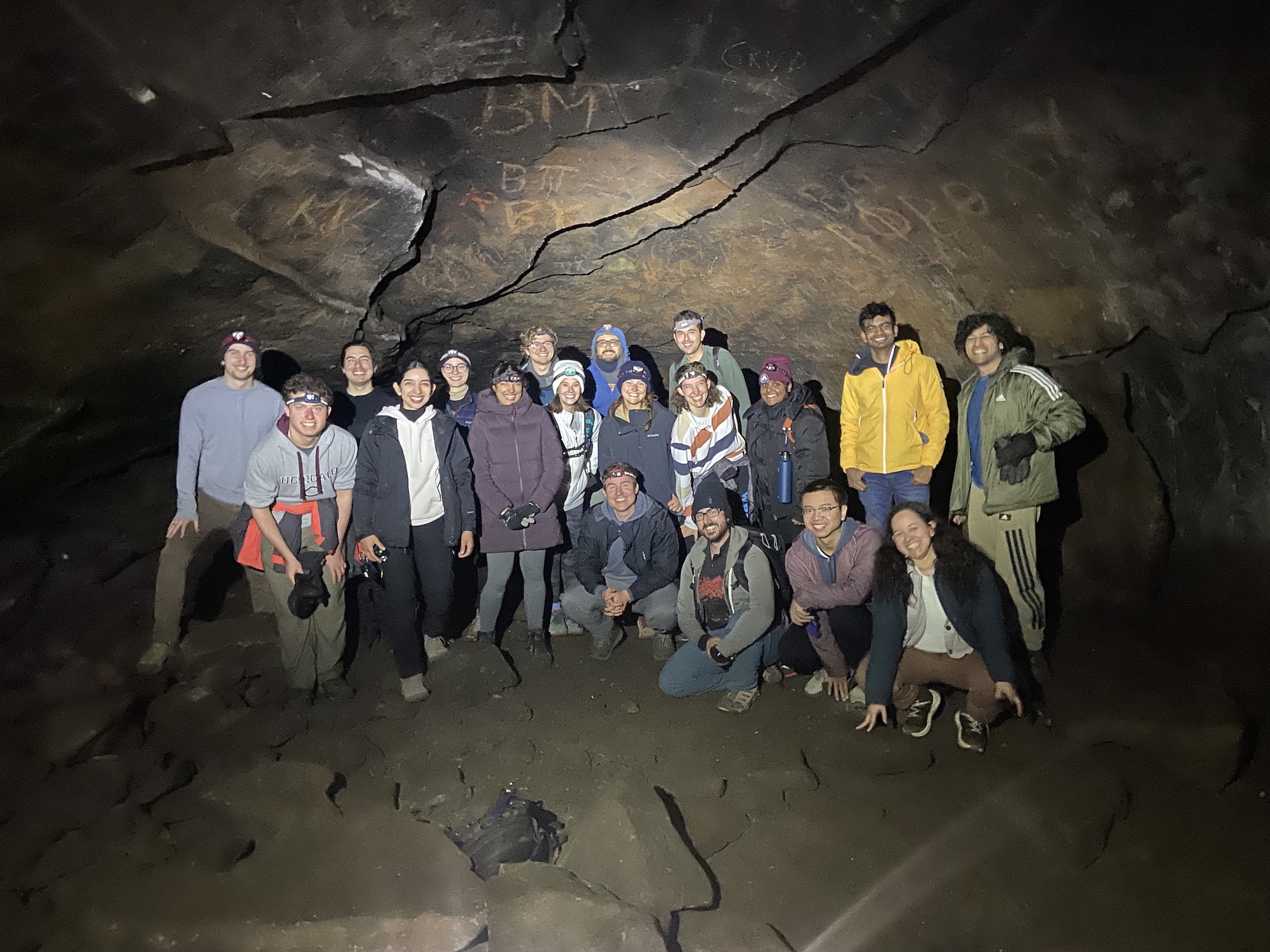
Shae is majoring in Aerospace Engineering with a minor in Astrobiology and expects to graduate in 2024. She is interested in the study of the origin of life and research into potential life beyond Earth. Shae knew the astrobiology minor courses would allow her to gain a strong background in astrobiology and has enjoyed being able to supplement her engineering classes with courses focusing more on the biological sciences, chemistry, and geosciences, among other areas of study.
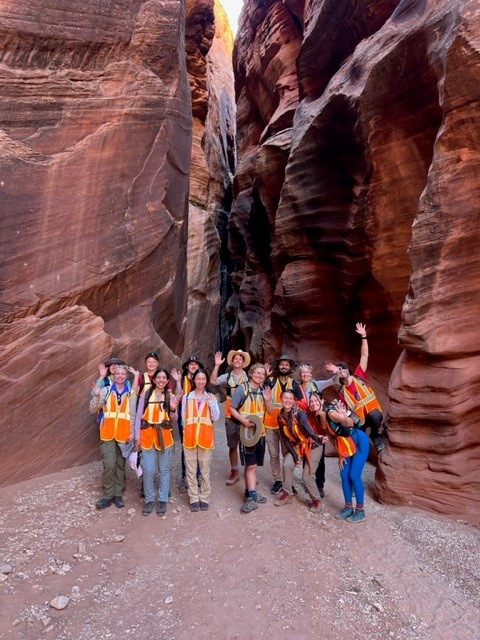
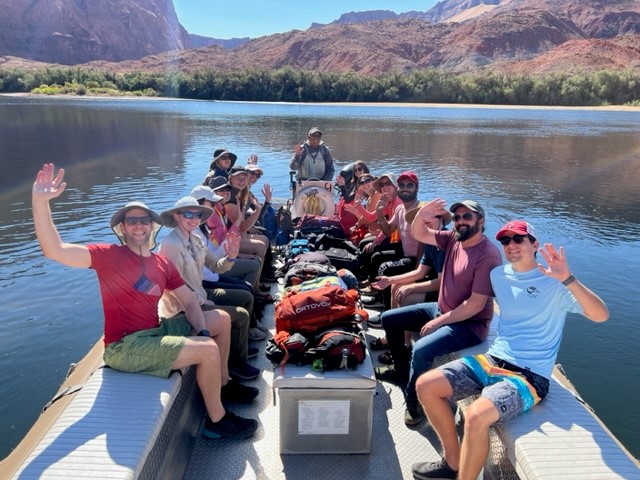
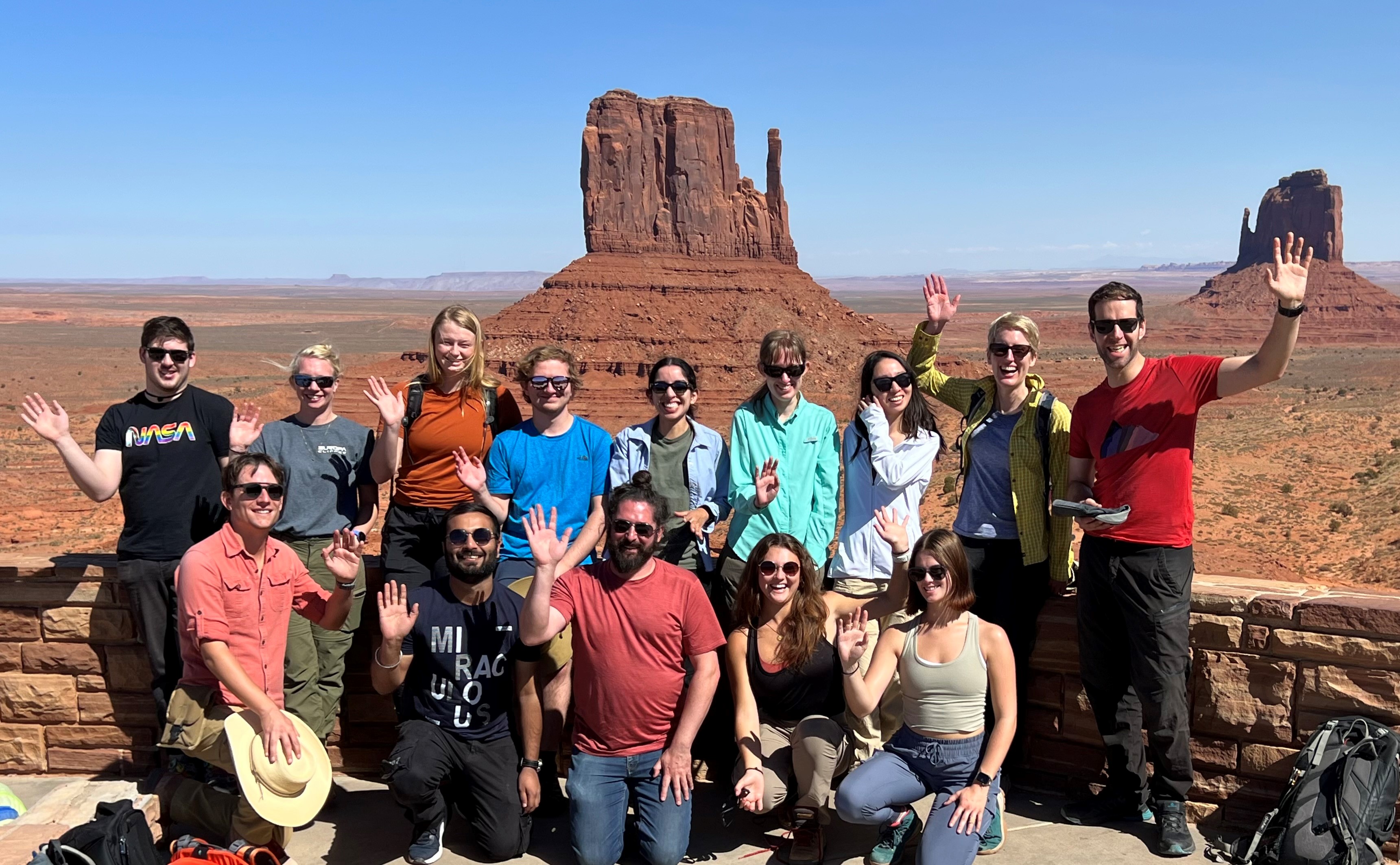
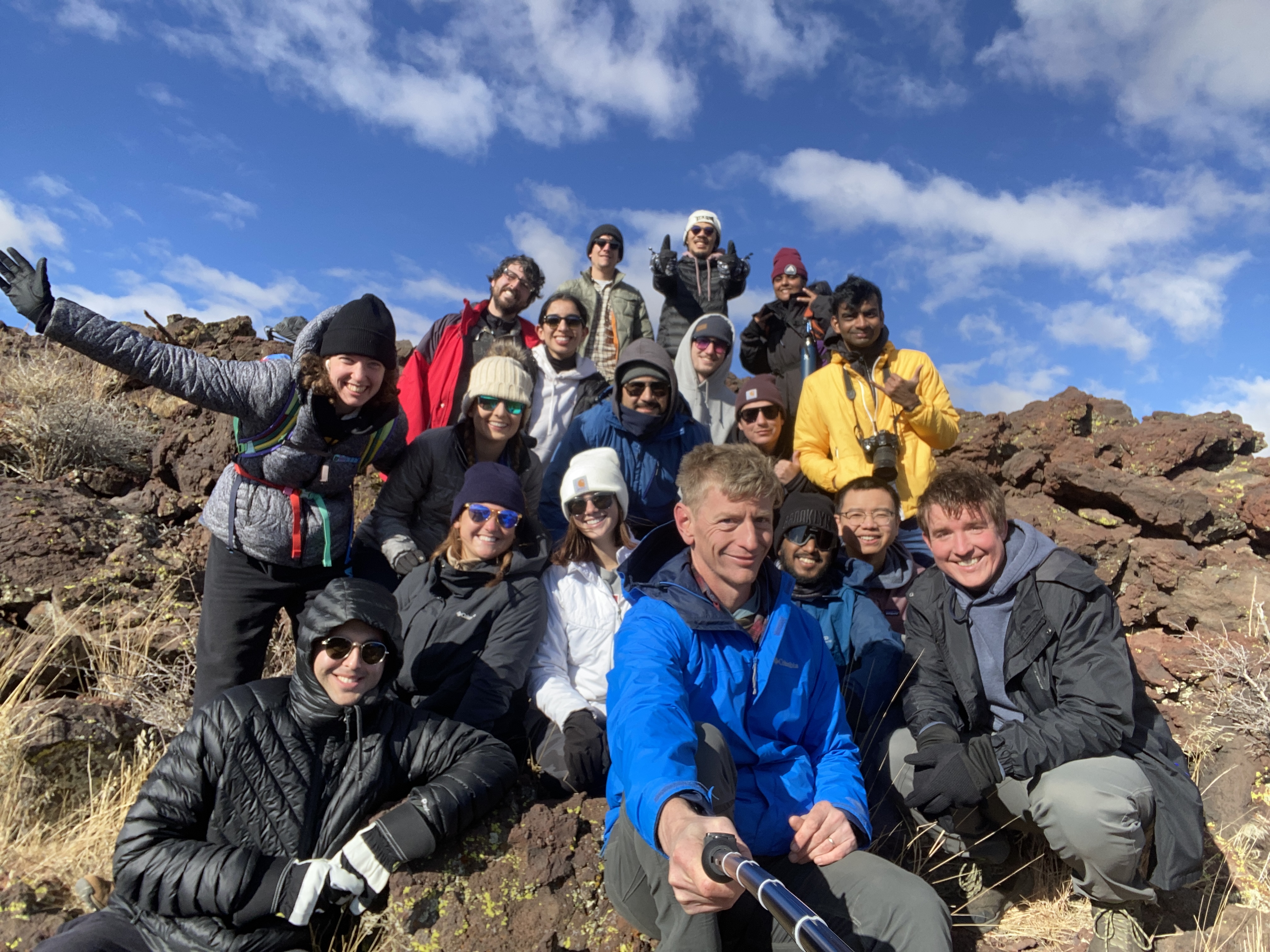
Her favorite astrobiology class has been the Coevolution of Earth and the Biosphere (GEOS 484). Shae began the course with very little knowledge about Earth's history and the field of geosciences, but through lectures, papers, and class trips, she feels that she has received a comprehensive review of the subject matter. Course outings to local mountains and plains to see fossils and historical sites were incredibly valuable and helped spark her interest in geology and the history of the Earth.
Shae plans to attend graduate school, either at UArizona to earn an M.S. in aerospace engineering or another program to conduct graduate research in bioastronautics (the support of life in space). She wants to research human-system interactions and the intersection of aerospace engineering and human health. She sees herself designing spacecraft technologies that enhance human life in space, or working on deep space missions that further our knowledge of our planet and surrounding universe.
As part of her research with Dr. Christopher Walker (Department of Astronomy/Steward Observatory), Shae serves as the Project Manager/Flight Director for the CatSat CSLI (CubeSat Launch Initiative) Mission and oversees the astrodynamics, communications, commanding, and payload teams. The team is currently preparing for the spacecraft’s upcoming launch. Shae helped to design the Artemis Infrared Explorer for Space Studies (ARIES), a proposed lunar surface instrument designed to conduct infrared astronomy from the lunar south pole, and LunaCat, a proposed lunar orbiter that aims to study and map the distribution of molecular water in the lunar regolith. In recognition of her accomplishments, the Universities Space Research Association honored her with the 2023 Thomas R. McGetchin Memorial Scholarship Award. Shae is a former Arizona NASA Space Grant intern.
Here on Earth, Shae enjoys hiking and running and has started rock climbing (bouldering).
 Travis Matlock is pursuing an Astronomy major with minors in Planetary Sciences and Physics. Travis chose to minor in PTYS because he has always been fascinated with the objects in our solar system. The PTYS undergraduate courses aligned with his interests and he believes the PTYS minor provides him with a well-rounded, interdisciplinary education. Travis really enjoyed the Asteroids, Comets, and Kuiper Belt Objects (PTYS 416) course with
 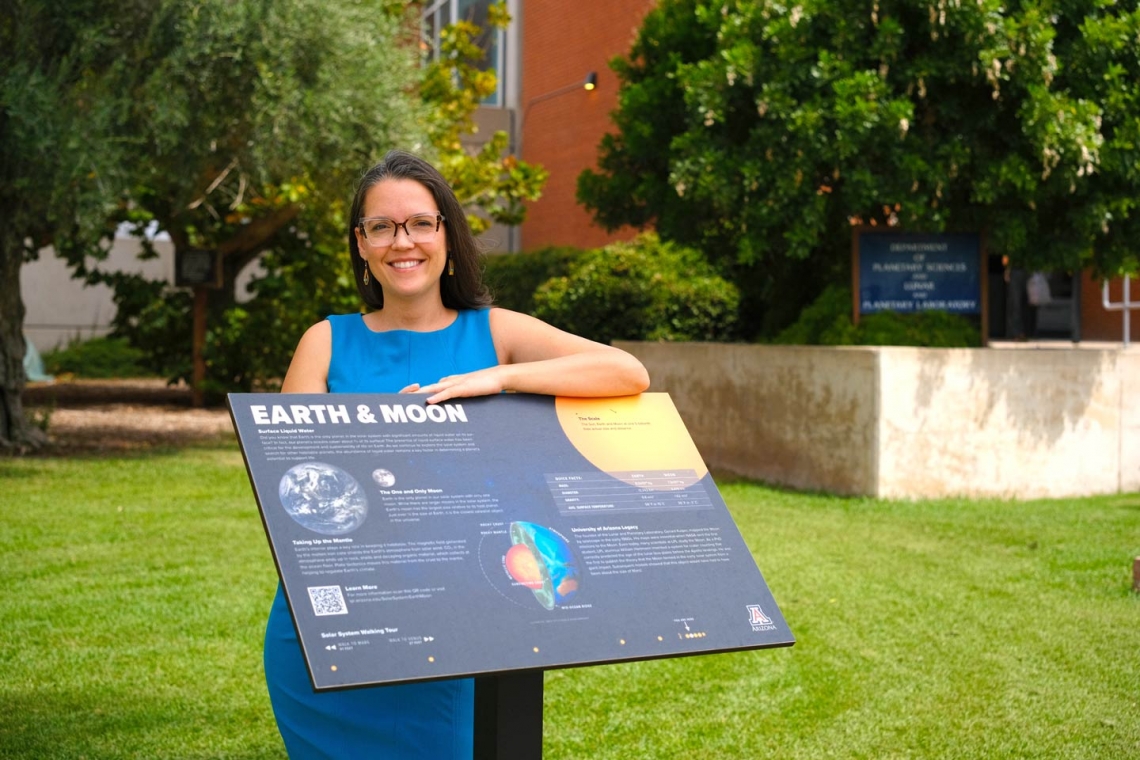 Former LPL student Zarah Brown defended her dissertation in November, but not before completing the
 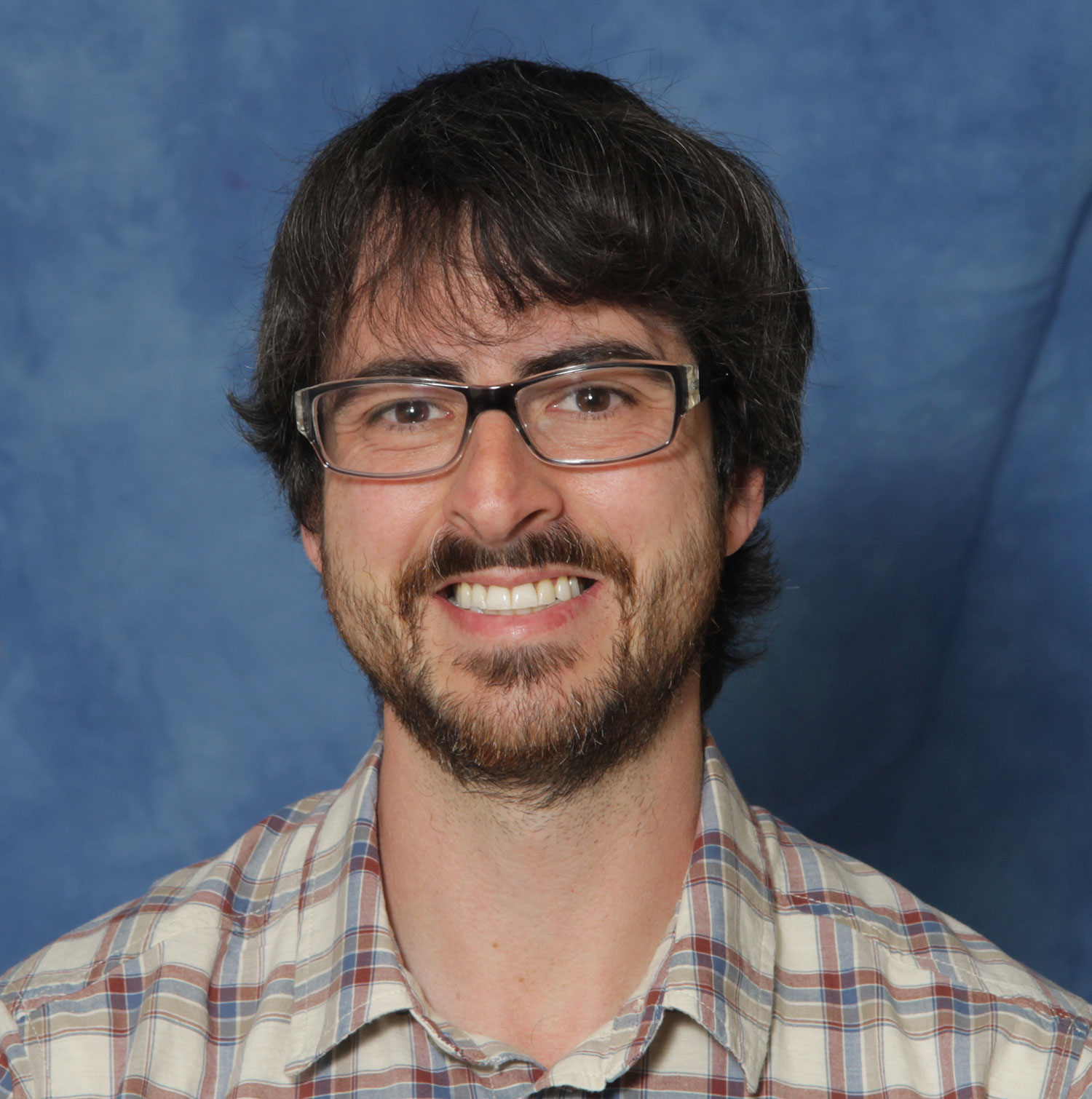 Carson Fuls was named Director of CSS in October 2023. He holds a B.S. in Physics and an M.S. in Natural Applied Sciences (Physics) from Stephen F. Austin State University and is currently completing his first semester as a doctoral student in Planetary Sciences at LPL.
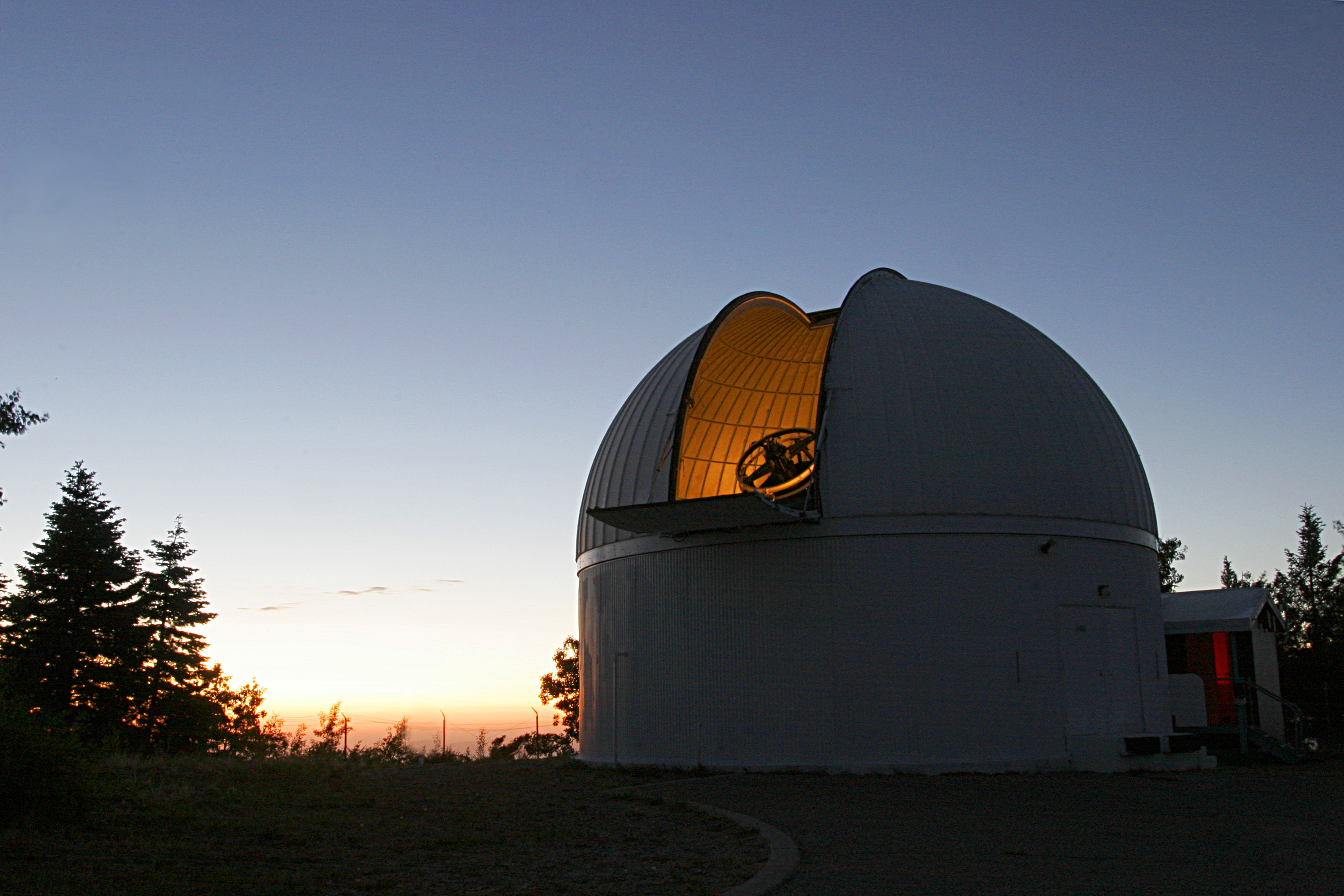 The
The 
 The
The  The
The